
Tired of tossing out spoiled produce before the weekend? Organizing your fridge and pantry correctly keeps everyday ingredients fresh for weeks, saving you serious money. Check out these easy food storage secrets to stop wasting cash and skip the grocery store!
Store Apples Away From Other Produce Because Their Ethylene Gas Speeds Up Ripening And Causes Premature Spoilage
Keeping your fruit bowl looking picturesque might be costing you money if you mix certain fruits together. Apples are notorious for releasing large amounts of ethylene gas, a natural plant hormone that accelerates the ripening process in nearby produce. If you place them next to items like watermelons, cucumbers, or leafy greens, you will find those vegetables turning mushy and yellow much faster than expected. To maximize the lifespan of your groceries, designate a specific crisper drawer in your refrigerator solely for these gas-producing fruits.
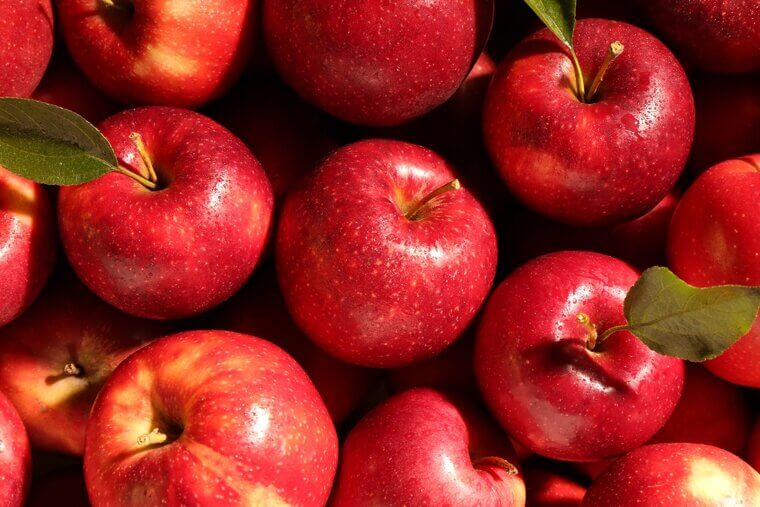
Alternatively, keep them in a separate bowl on the counter, far away from sensitive items. This simple separation technique ensures your delicate greens and expensive berries stay fresh for extra days. You will notice a significant drop in how often you throw away spoiled food and how frequently you need to restock your kitchen.
Natural Peanut Butter Stored Upside Down Prevents The Oil From Pooling At The Top And Hardening At The Bottom
Many shoppers find it frustrating when they open a brand new jar of natural spread only to discover a thick layer of liquid oil on top and a rock-solid mass underneath. The simple solution is to flip the container over before placing it in your pantry or refrigerator. Gravity will slowly pull the separated fats back through the solid peanut particles, naturally homogenizing the mixture without requiring any strenuous stirring. When you are ready to make a sandwich, simply turn it right side up and open the lid to find a perfectly creamy consistency.
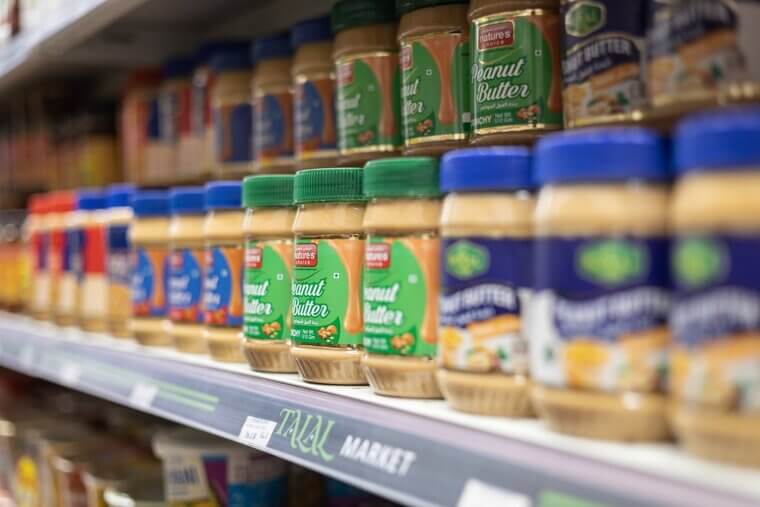
Storing it in the fridge after that initial mix will lock everything in place for weeks. Doing this means you will not end up throwing away the dry bottom half of the jar out of frustration. You save cash and gain a much better culinary experience every single morning.
Keep Flour In An Airtight Container Inside The Freezer To Stop Pests And Prevent Premature Oxidation
Most home bakers simply roll up the paper bag of baking staples and leave it in a warm cupboard, which is a recipe for disaster. Grains naturally contain oils that can easily go rancid when exposed to heat and ambient light for extended periods. Furthermore, microscopic pest eggs often arrive inside the packaging directly from the manufacturing facility. By transferring the powder into a heavy-duty plastic or glass bin and placing it on a freezer shelf, you instantly halt any insect activity and preserve the natural oils.
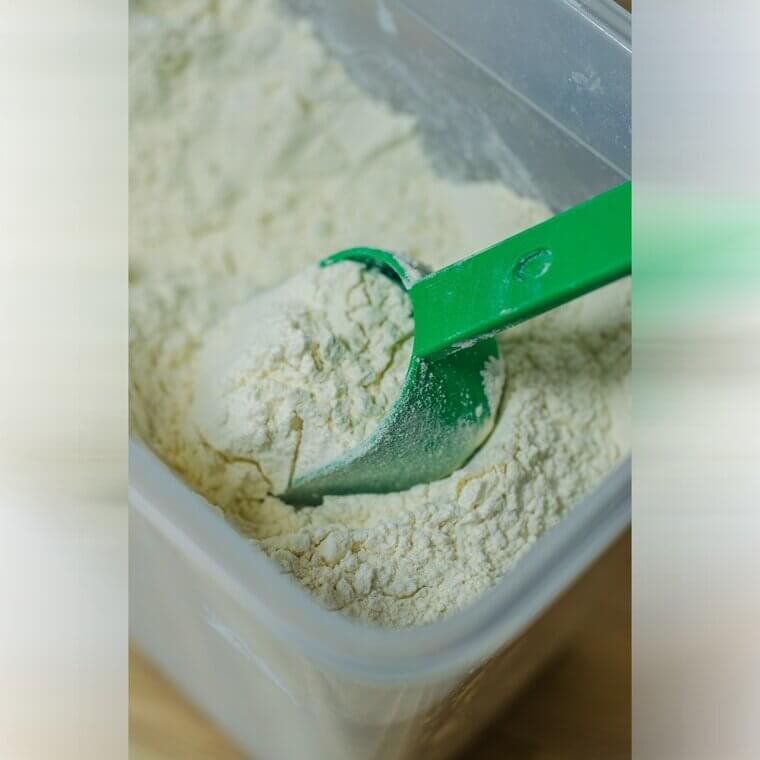
Your baking ingredients will remain fresh and viable for up to 2 years instead of just a few months. This hack is particularly useful for whole wheat and almond varieties, which spoil much faster than refined white options. You will bake better bread and stop tossing out spoiled batches of expensive specialty products.
Store Potatoes In A Dark Well Ventilated Basket Away From Onions To Stop Them From Sprouting Prematurely
Root vegetables require specific environmental conditions to maintain their firm texture and earthy flavor profile. Exposing them to direct sunlight triggers a chemical reaction that produces a bitter green toxin called solanine, while sealing them in plastic bags traps moisture and causes rapid rotting. The optimal method is placing them in a wire mesh basket or paper sack in a cool, dark corner of your kitchen or basement. It is equally important to keep them far apart from allium family members, as the gases exchanged between the two will cause both to spoil rapidly.
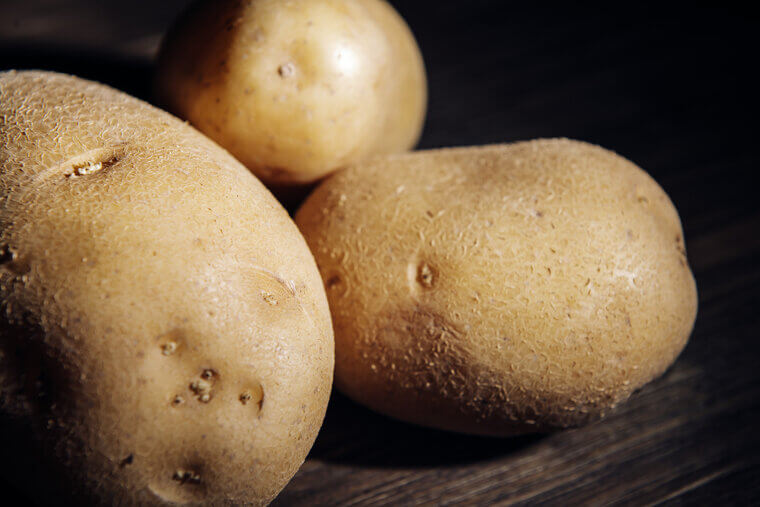
A proper setup prevents those unwanted white sprouts from growing out of the eyes before you get a chance to cook them. Following these guidelines guarantees you will always have fresh ingredients for a hearty stew or weekend breakfast hash.
Keep Onions In Breathable Mesh Bags Or Old Pantyhose To Maintain Maximum Airflow And Stop Mold Growth
The worst environment for these pungent bulbs is a humid, enclosed space like the standard plastic produce sacks provided at the supermarket. They need constant air circulation to stay dry and firm, which prevents the outer layers from turning slimy and developing fuzzy mold. An excellent and inexpensive trick is to drop them one by one into clean, recycled nylon stockings, tying a small knot between each bulb. You can then hang the entire chain from a hook in your pantry or a cool, dry cupboard.
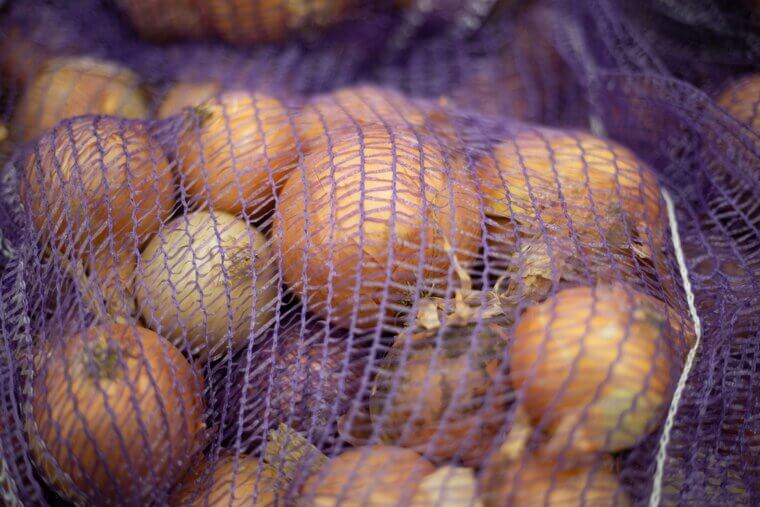
Whenever you need one for a recipe, just snip off the lowest section with scissors. This suspends them in the air, ensuring they never sit in their own moisture or get bruised by heavy items pressing down. You will easily extend their shelf life by several months and avoid emergency grocery runs for dinner prep.
Leave Whole Tomatoes On The Countertop With Their Stems Facing Downward To Preserve Their Sweet Flavor And Firm Texture
Refrigerating these delicate fruits is one of the most common mistakes people make when unpacking their weekly haul. The cold temperatures inside your fridge break down the cellular walls, turning the juicy flesh mealy and eliminating their natural garden-fresh sweetness. Instead, line them up on a flat surface out of direct sunlight, ensuring the spot where the stem was attached is placed directly against the counter. This specific positioning blocks air from entering the fruit and stops vital moisture from escaping, effectively slowing down the aging process.
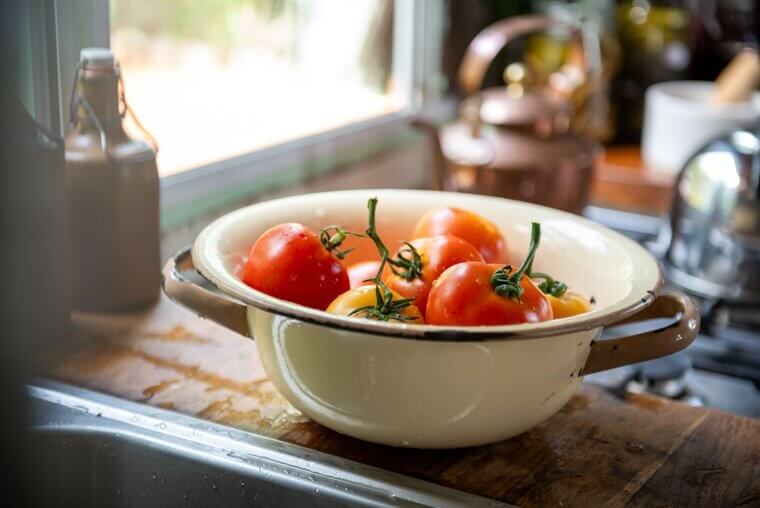
They will continue to ripen naturally and develop a much richer, deeper taste profile over several days. You can confidently buy them in larger quantities when they are on sale without worrying about them turning into flavorless mush before the weekend arrives.
Wash Fresh Berries In A Diluted Vinegar Solution To Kill Spores And Extend Their Lifespan Dramatically
Strawberries and blueberries are notorious for developing fuzzy gray spots within 48 hours of bringing them home from the farmer's market. These expensive treats carry microscopic mold spores that thrive in the humid environment of a standard refrigerator drawer. To combat this issue, give them a quick bath in a mixture consisting of 1 part white vinegar and 3 parts cold water immediately upon returning home. After a brief soak, rinse them thoroughly under the tap and lay them out on a clean towel until they are perfectly dry.
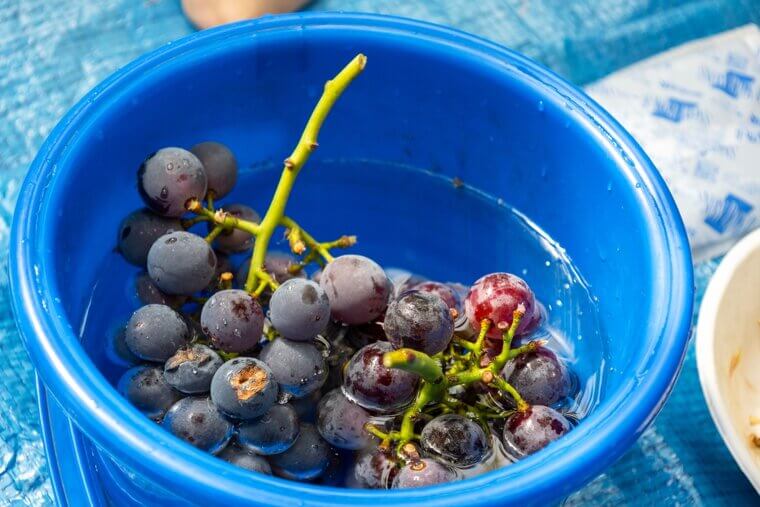
Transfer the clean fruit into a glass container lined with a dry paper towel to absorb any lingering condensation during storage. The mild acid neutralizes the spores without leaving any lingering sour taste on the delicate skins. You can enjoy your favorite breakfast toppings for up to 2 weeks without finding any fuzzy surprises.
Wrap Celery Stalks Tightly In Aluminum Foil To Keep Them Crisp And Prevent Them From Turning Limp
When left inside the original plastic sleeve, this watery vegetable quickly loses its signature crunch and transforms into a flexible, unappetizing mess. The plastic traps naturally emitted ripening gases while simultaneously allowing vital internal moisture to slowly evaporate. By wrapping the entire bunch snugly in heavy-duty aluminum foil, you create a barrier that lets the harmful gases escape while keeping the necessary hydration locked inside the stalks. Just make sure the ends are folded over securely to form a protective seal before placing the package in your crisper drawer.
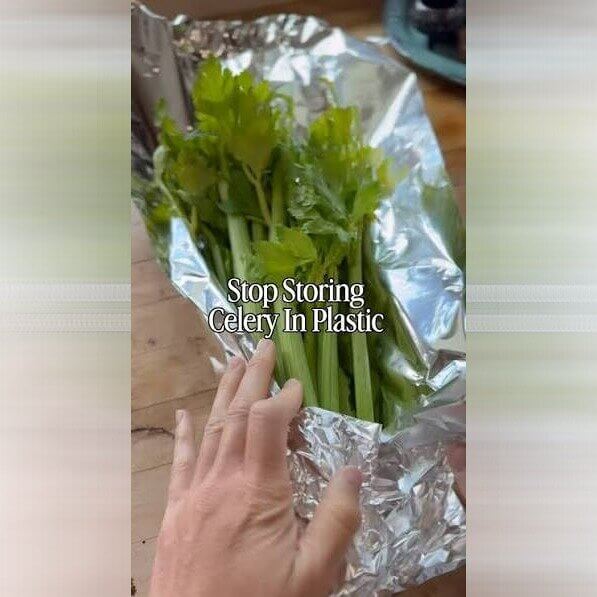
Every time you open it to grab a quick snack, you will be greeted with the exact same crisp texture as the day you bought it. This foolproof method guarantees your soup bases and healthy dips will always have the perfect amount of satisfying crunch.
Stand Asparagus Spears Upright In A Glass Jar With An Inch Of Water So They Continue Drinking
Treating these premium spring vegetables like a bouquet of freshly cut flowers is the best way to preserve their tender texture. As soon as you get home, slice about half an inch off the woody bottom stems to expose fresh plant tissue. Place the entire bunch vertically into a heavy-bottomed mason jar filled with a small amount of cool, clean water. Loosely drape a thin plastic sandwich bag over the delicate tips to create a miniature greenhouse effect that prevents the top sections from drying out.
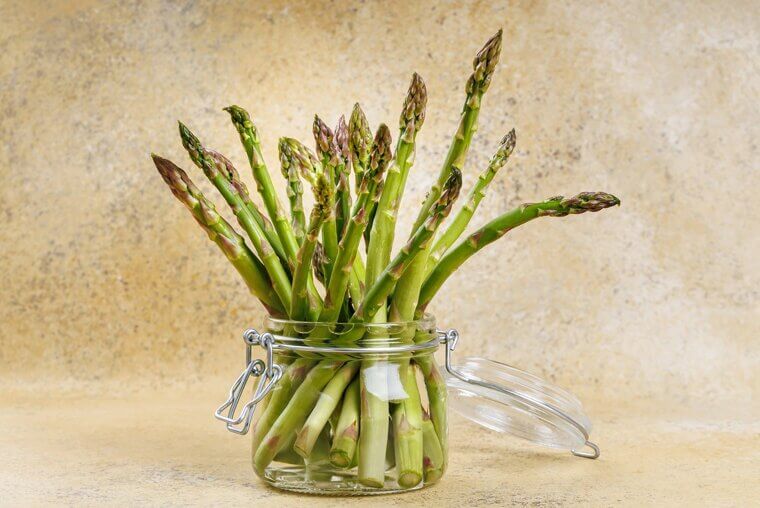
Store the jar upright on a refrigerator shelf and change the liquid every couple of days if it starts looking cloudy. The stalks will continuously draw up moisture, remaining plump and vibrant for well over a week. This prevents the stalks from turning rubbery and ensures you get your money's worth out of this seasonal delicacy.
Store Fresh Mushrooms In A Brown Paper Bag To Absorb Excess Moisture And Prevent Slime
Leaving fungi in their original cardboard trays wrapped in tight cellophane is a guaranteed way to turn them into a sticky, unappetizing disaster within a few days. Mushrooms have an exceptionally high water content and they continuously sweat when stored in cold environments. A simple brown paper lunch sack is the perfect storage vessel because the porous material actively absorbs this expelled moisture, keeping the delicate caps perfectly dry. Fold the top of the sack over loosely and place it on a main shelf rather than stuffing it into a crowded, humid crisper drawer.
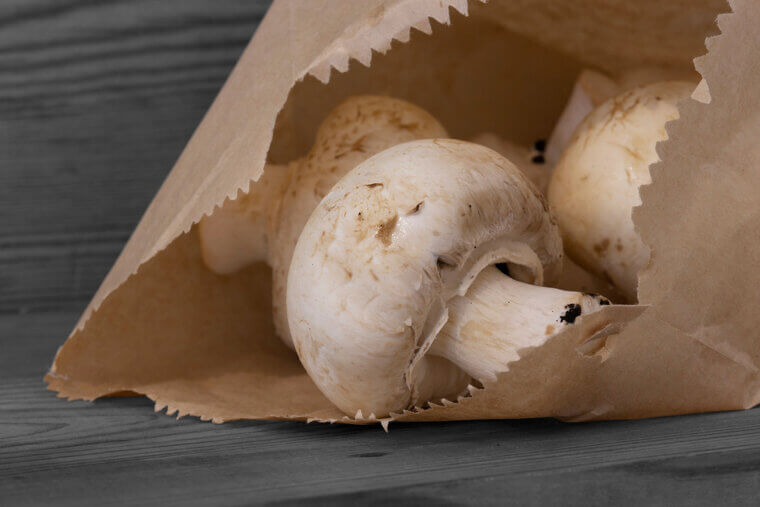
They will remain firm, earthy, and ready to be sautéed or sliced onto pizzas for up to 10 days. You will eliminate the frustration of reaching for an ingredient only to find a spoiled mess that ruins your entire dinner plan.
Submerge Peeled Carrots In A Container Of Filtered Water To Maintain Their Satisfying Snap
Baby carrots and freshly peeled sticks tend to develop an unappealing white, chalky exterior when left sitting in standard plastic bags. This phenomenon is simply severe dehydration, as the protective outer skin has been removed, leaving the moisture-rich interior exposed to dry refrigerator air. To keep them perfectly hydrated and crunchy, transfer the pieces to a glass storage container and cover them with fresh, cold water. Secure the lid tightly and place the bin on a middle shelf, making sure to swap out the liquid every 4 or 5 days to keep things hygienic.
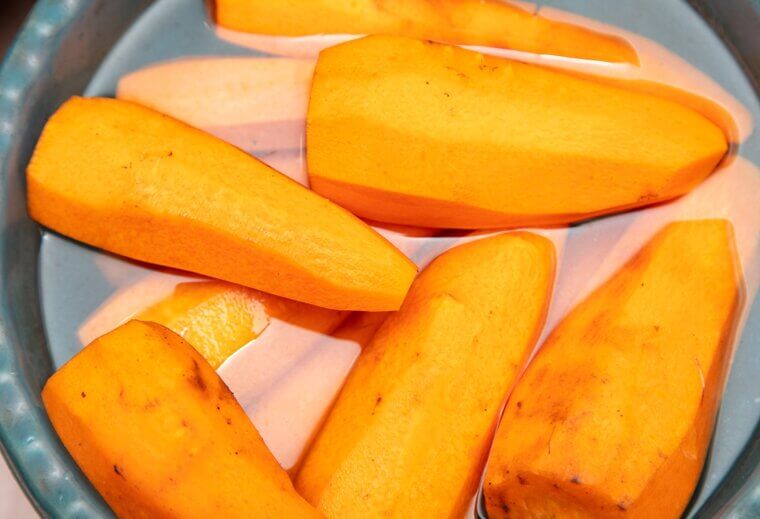
They will stay exceptionally vibrant and snappy for weeks, ready to be packed into lunches or dipped into hummus. This effortless hydration trick ensures your healthy snacks actually look appetizing when hunger strikes, reducing the temptation to reach for processed junk food.
Place A Slice Of Sandwich Bread In Your Brown Sugar Container To Prevent It From Hardening Into A Brick
Most baking enthusiasts have experienced the annoyance of trying to measure out sweet molasses-rich granules only to find a rock-solid, impenetrable mass. This happens because the natural moisture content evaporates into the surrounding air over time, causing the sugar crystals to bond together tightly. You can easily fix and prevent this issue by slipping a piece of fresh white bread or a large marshmallow into the airtight storage bin. The sugar will naturally draw the ambient moisture directly out of the bread, keeping the granules soft and easy to scoop.
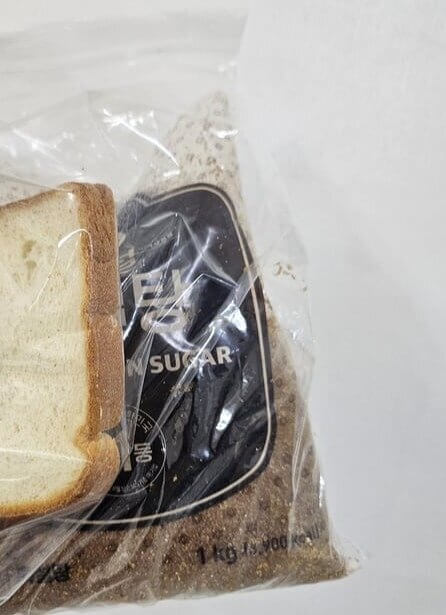
Replace the dried-out bread piece every few months to maintain the perfect consistency for all your baking projects. You will never again have to chisel away at a solid block or toss out a perfectly good pantry staple just because it dried out.
Keep Delicate Leafy Greens Rolled In Paper Towels Inside A Hard Container To Prevent Bruising And Rot
Fragile lettuces and spinach leaves are highly susceptible to both physical damage and excess condensation, making standard plastic bags a terrible storage option. The soft plastic offers zero protection against heavy items shifting in the fridge, while trapped moisture quickly turns the delicate leaves into a dark, slimy paste. Start by lining a sturdy, hard-sided plastic or glass bin with several layers of dry, absorbent paper towels. Gently place your unwashed greens inside, making sure not to pack them too tightly, and add another towel on top before sealing the lid.
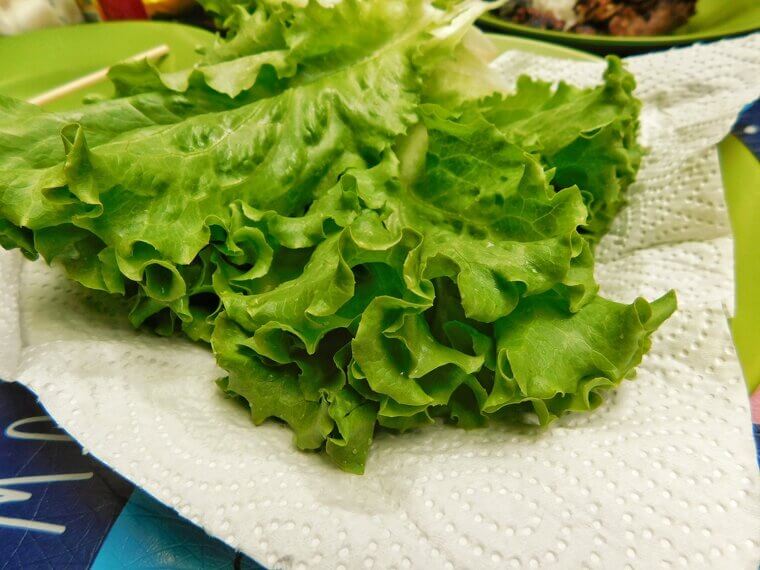
The hard walls protect against accidental crushing, and the paper actively pulls moisture away from the plant tissue. Your salad foundations will remain crisp, vibrant, and appetizing for a surprisingly long time, cutting down your grocery trips.
Freeze Fresh Ginger Root And Grate It Directly Into Recipes While Frozen
Buying a large, knobby piece of this spicy root often leads to waste because it quickly shrivels up and grows mold when left in the crisper drawer. Trying to peel and chop a soft, dehydrated piece is frustrating and yields terrible results. The smartest approach is to place the entire unpeeled piece directly into a small freezer bag and store it right next to your frozen vegetables. When a recipe calls for it, simply pull it out and run the frozen block over a microplane grater, skin and all.
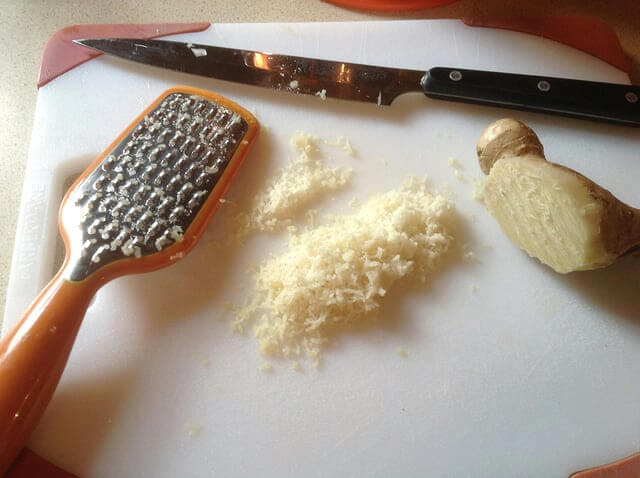
The frozen fibers grate smoothly like hard cheese, providing an intense, fresh flavor without any stringy mess left on your cutting board. The root stays perfectly preserved for 6 months or more, meaning you only need to purchase it a couple of times a year.
Keep Expensive Nuts And Seeds In The Refrigerator To Stop Their Natural Oils From Going Rancid
Bulk bags of walnuts, pecans, and almonds often sit in warm kitchen cabinets for months, slowly developing a bitter, cardboard-like taste. These healthy snacks contain delicate polyunsaturated fats that break down quickly when exposed to fluctuating room temperatures and ambient light. Transferring them into airtight glass jars and placing them on a refrigerator shelf dramatically slows down this oxidation process. If you buy in extremely large quantities, you can even stash the surplus in the freezer, as their low water content prevents them from suffering freezer burn.
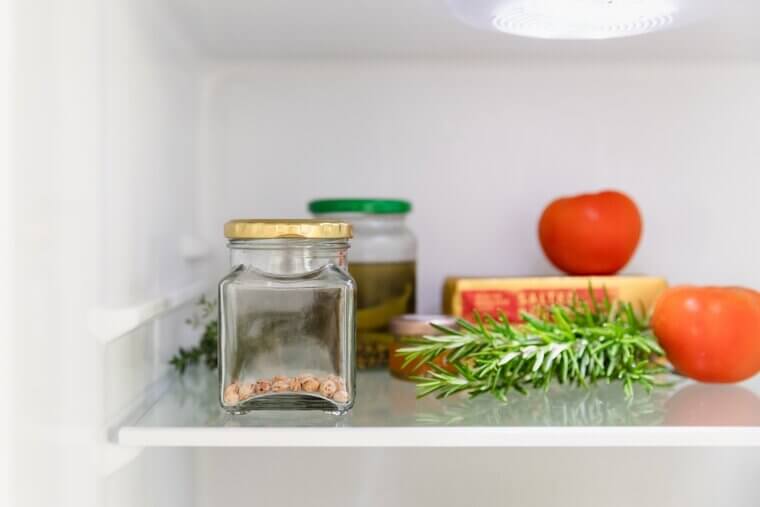
When you are ready to eat them, they will taste just as sweet and buttery as the day you brought them home. This simple temperature adjustment protects your grocery investment and guarantees your baked goods always feature top-quality ingredients.
Store Coffee Beans In An Opaque Airtight Container On The Counter Instead Of The Freezer To Protect Flavor
The pervasive myth that freezing your expensive morning roast preserves its complex flavor profile actually ends up ruining the delicate oils. Constantly moving the bag in and out of a freezing environment creates condensation, which introduces unwanted moisture that makes the brewed cup taste flat and stale. The optimal storage solution is a specialized opaque canister with a one-way valve that lets carbon dioxide escape while blocking light and oxygen. Keep this vessel sitting at room temperature on your kitchen counter or tucked away in a cool cabinet far from the hot stove.
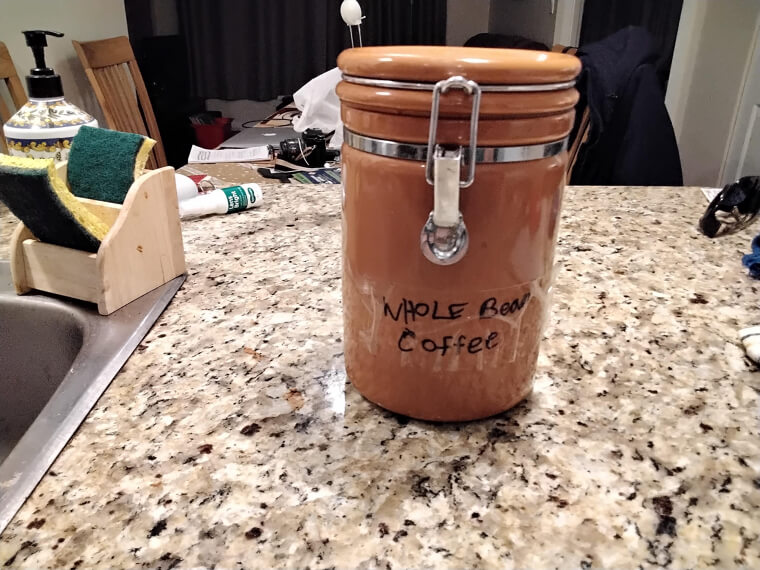
Buying whole beans and grinding them fresh every morning from this protected stash guarantees a vibrant, aromatic cup every single time. You will get the true cafe experience at home and stop wasting money on mediocre, degraded morning beverages.
Store Citrus Fruits Loose In The Refrigerator Crisper Drawer To Keep Them Juicy For Weeks
While a bowl of bright lemons and oranges looks gorgeous on a sunny kitchen island, the ambient heat quickly dries out the interior segments. Within just a few days at room temperature, the skins will harden and the fruits will yield significantly less juice when squeezed. To maximize their shelf life and maintain a plump, heavy texture, place them loose inside your designated low-humidity crisper drawer. Avoid sealing them in plastic bags, as trapped condensation can encourage localized mold growth on the porous rinds.
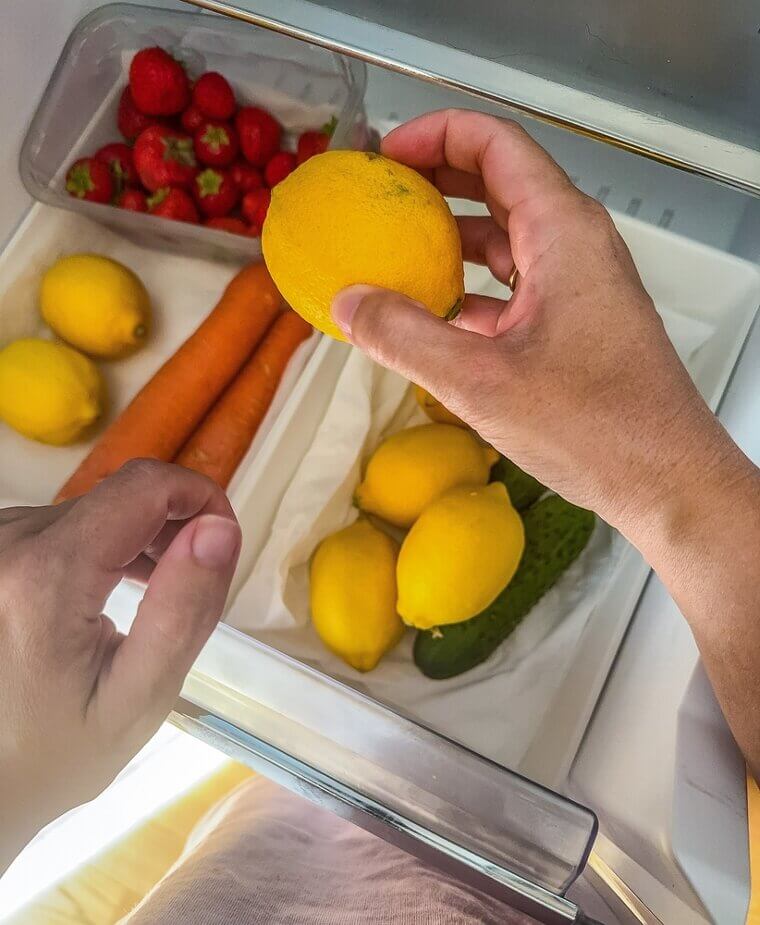
This cool, slightly breezy environment slows down the respiration process, allowing them to remain juicy for 3 to 4 weeks. You will always have fresh zest and bright acidic juice available for salad dressings, marinades, or a refreshing glass of water.
Regrow Scallions By Placing The White Root Ends In A Glass Of Water On A Sunny Windowsill
Green onions are notorious for wilting and turning slimy in the crisper drawer long before you can finish the entire bunch. Instead of viewing them as a single-use item, you can treat them as a continuous, regenerative resource right in your own kitchen. Simply slice off the green portions for your recipe, leaving about 2 inches of the white stem attached to the fuzzy roots intact. Stand these stubs upright in a small, heavy jar filled with just enough clean water to cover the root base, and place it in a bright spot.
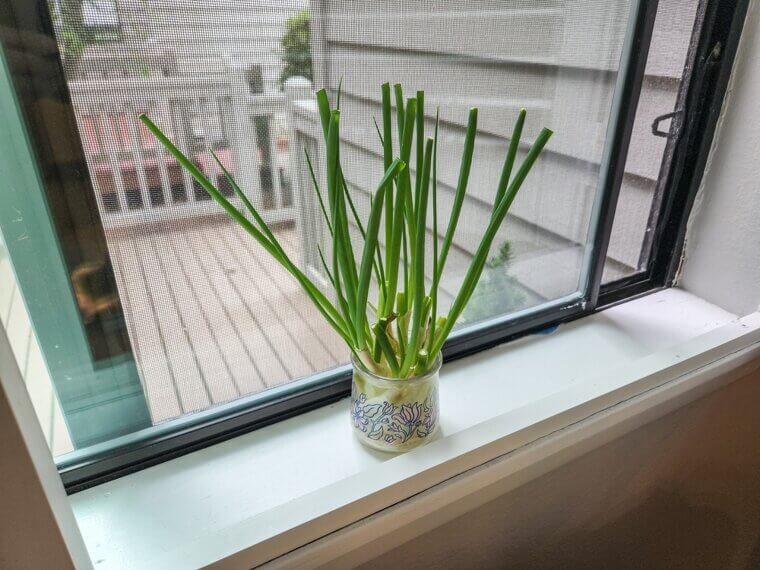
Within just a few days, you will see fresh green shoots rocketing upwards, ready to be harvested again. Changing the liquid weekly provides you with an endless supply of fresh garnishes, virtually eliminating the need to buy them ever again.
Keep Cucumbers At Room Temperature Because Refrigeration Causes Chilling Injuries And Mushy Spots
Despite being a staple ingredient in cold summer salads, this refreshing vegetable actually suffers when subjected to temperatures below 50 degrees Fahrenheit. Extended periods in a chilly fridge lead to a condition known as chilling injury, characterized by accelerated decay, water-soaked soft spots, and a loss of crispness. The best approach is to store them unwashed on your kitchen counter, keeping them far away from ethylene-producing fruits like bananas or tomatoes. If you strongly prefer eating them cold, only place them in the warmest part of your refrigerator, usually the top shelf near the door, for a maximum of 2 days before consumption.
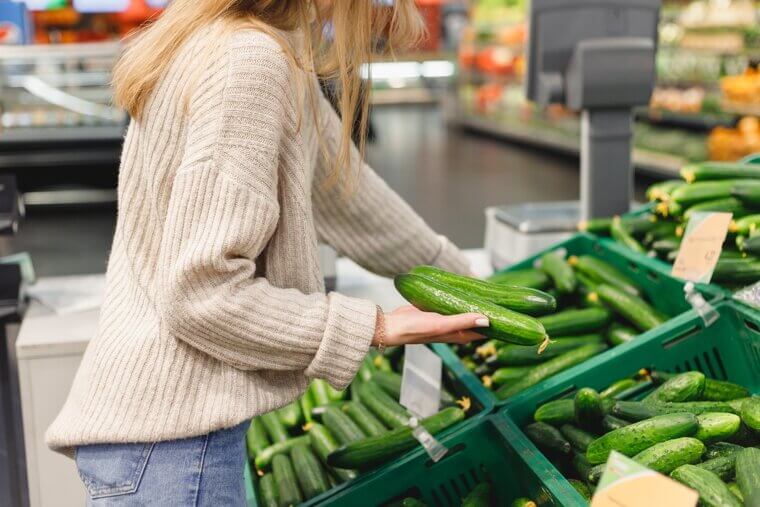
Treating them gently ensures they maintain their firm structure and clean, refreshing snap. Your salads will taste noticeably better, and you will stop throwing away slimy, forgotten produce.
Keep Olive Oil In A Cool Dark Cabinet Far Away From The Stove To Prevent Flavor Degradation
The convenience of keeping a decorative bottle of premium cooking oil right next to the stove top actually destroys its culinary value. Constant exposure to fluctuating heat from the burners, combined with direct sunlight, causes the delicate fats to oxidize rapidly, resulting in a distinctively rancid, crayon-like taste. To preserve the grassy, peppery notes of a high-quality extra virgin variety, you must store it in an opaque glass or tin container. Find a dedicated spot in a lower cabinet or pantry where the temperature remains consistently cool and dark throughout the entire day.
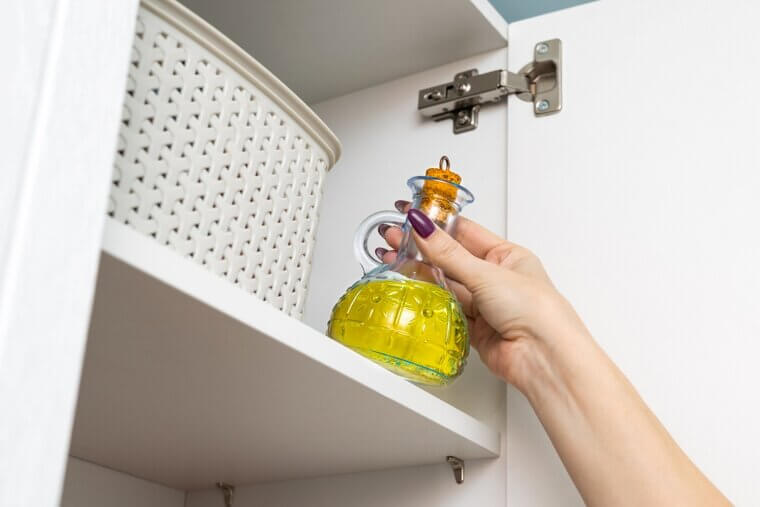
Protecting it from these harsh elements ensures the liquid gold retains its healthy antioxidants and complex flavor profile for many months. Your vinaigrettes and finishing drizzles will taste remarkably fresh, elevating your home cooking without requiring extra expensive ingredients.
Store Dried Spices In Drawers Or Dark Cupboards Because Light And Heat Destroy Their Essential Oils
Displaying your colorful collection of seasonings on a stylish rack next to the oven might look beautiful, but it is terrible for their longevity. The essential oils that give cumin, paprika, and oregano their robust flavors evaporate quickly when subjected to constant warmth and bright kitchen lights. To keep your dry seasonings vibrant and aromatic for up to a year, organize them neatly inside a dedicated drawer or an enclosed cabinet away from the cooking zone.
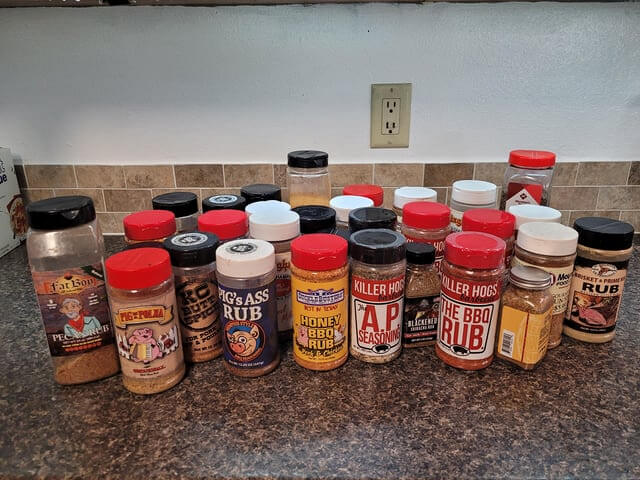
Make sure all lids are sealed tightly to block out humidity, which can cause powdered varieties to clump up into hard, unusable rocks. Taking these simple precautions ensures a small pinch will always deliver a massive punch of flavor to your favorite recipes. You will save money by not having to replace stale, flavorless jars every few months.
Remove The Leafy Green Tops From Radishes Before Refrigerating To Keep The Bulbs Firm And Spicy
Leaving the vibrant tops attached to root vegetables looks beautiful, but it acts like a biological siphon that actively drains moisture away from the edible bulb. The greens continue to draw water upwards even after being harvested, leaving the brightly colored spheres feeling soft, spongy, and thoroughly unappealing within 48 hours. As soon as you unpack your groceries, use a sharp knife to sever the leaves about half an inch above the crown. Place the trimmed crimson spheres in a sealed container lined with a damp paper towel to maintain a perfectly humid environment.
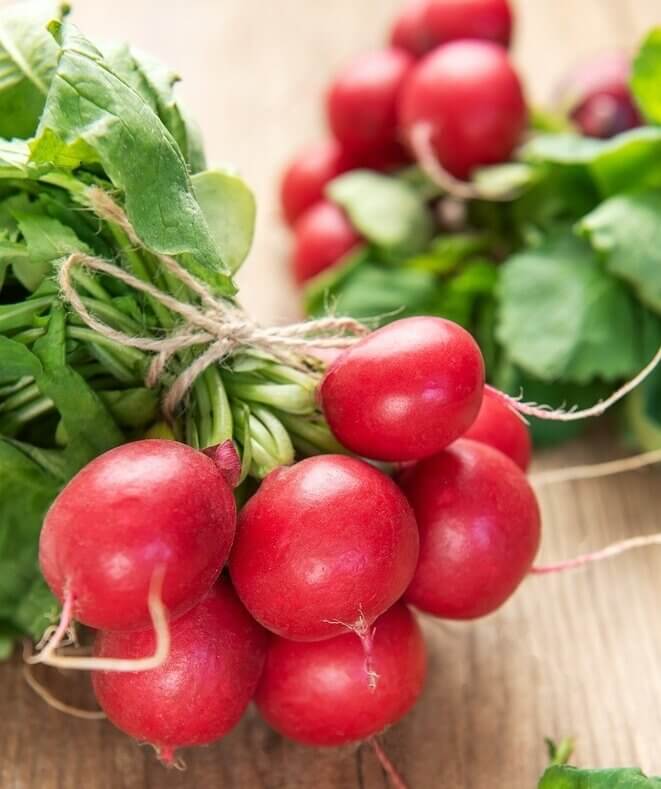
You can wash and store the edible greens separately if you plan to use them in a pesto or fresh salad. This simple butchery step ensures the roots retain their signature peppery bite and satisfying, crunchy texture for weeks.
Store Bananas With Their Stems Wrapped Tightly In Plastic Film To Slow Down The Ripening Process
Watching a bright yellow bunch quickly develop dark brown spots and turn overly sweet before you can eat them is common. The stems of these tropical fruits are the primary exit point for ethylene gas, the chemical compound responsible for accelerating the aging process. By tightly wrapping the top crown of the bunch with a small piece of cling film, you effectively trap the gas and prevent it from cascading down over the rest of the fruit.
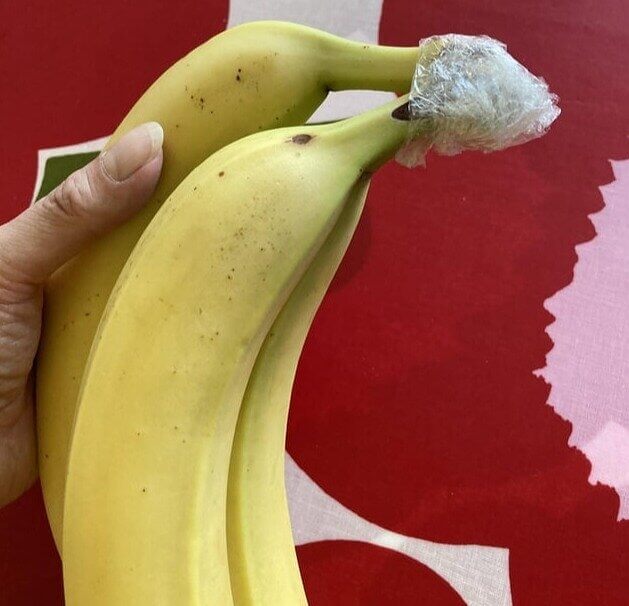
For even better results, separate the individual fingers and wrap each stem securely on its own before placing them in a bowl. This clever barrier method buys you several extra days of perfect firmness and ideal flavor. You will finally be able to finish the entire bunch without being forced to bake unwanted bread at the end of the week.
Transfer Opened Tomato Paste Into Ice Cube Trays And Freeze It For Perfect Portion Control
Most recipes only call for a single tablespoon of this concentrated flavor enhancer, leaving you with an almost full can that usually gets pushed to the back of the fridge and forgotten. Within a week, that leftover metal tin develops a thick layer of fuzzy mold, forcing you to throw the majority of your purchase directly into the trash. The smartest solution is to scoop the remaining contents out and press small, equal portions into the compartments of a clean silicone ice cube tray.
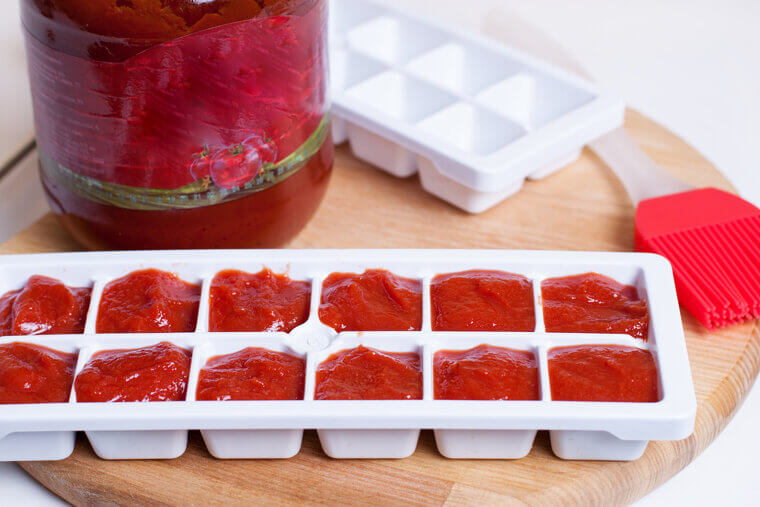
Once frozen solid, pop the red cubes out and transfer them into a heavy-duty, resealable freezer bag for long-term storage. The next time you make a rich stew or a savory marinara sauce, just drop a frozen cube directly into the hot pot. This brilliant prep method eliminates kitchen waste and ensures you always have umami-packed flavor ready to go.
Wrap Hard Cheese In Specialty Paper Or Parchment So It Can Breathe Without Drying Out Prematurely
Smothering a beautiful block of sharp cheddar or aged gouda in tight plastic wrap encourages rapid mold growth and ruins the complex flavor profile. Dairy products contain active cultures that need a tiny bit of oxygen circulation to survive, but they also require protection against the harsh, dry air circulating inside your fridge. The ideal compromise is to wrap the block snugly in standard parchment paper or designated wax-coated cheese paper before placing it into a loosely sealed container.

This breathable barrier wicks away excess surface oils while maintaining the perfect level of internal moisture. You will notice a dramatic reduction in the amount of discolored edges you have to slice away and discard before making a sandwich. Properly protected dairy blocks will easily last twice as long, saving you a considerable amount of cash at the deli counter.
Store Whole Garlic Bulbs In A Cool Dry Place With Plenty Of Air Circulation To Stop Sprouting
Many home cooks mistakenly toss these pungent aromatics directly into the refrigerator, which is the exact opposite of what they actually need. Cold temperatures trick the bulbs into thinking it is time to start growing, leading to rapid development of bitter green shoots running through the center of every clove. They thrive in environments between 60 and 65 degrees with very low humidity and minimal exposure to direct light. Keep them in an open wire basket or a dedicated ceramic crock with ventilation holes sitting on a shaded countertop or pantry shelf.
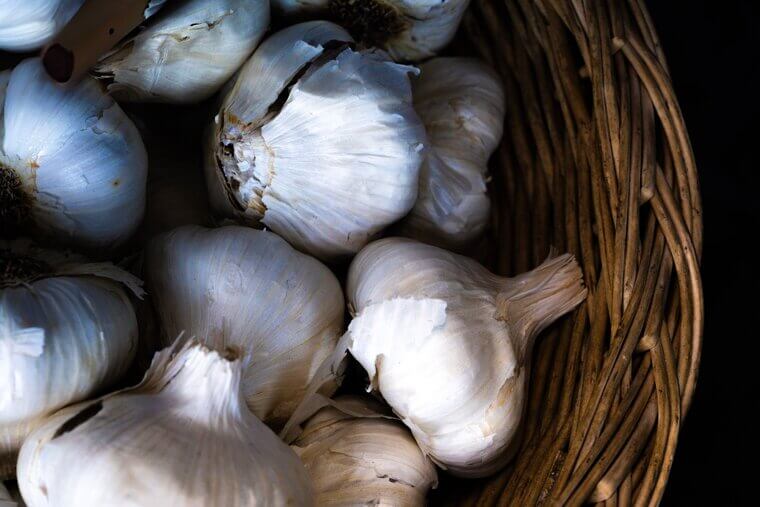
When kept intact and dry, a quality bulb will easily maintain its potent flavor and firm texture for several months. You will always have the perfect savory base ready for your pasta sauces and marinades without rushing out for replacements.
Transfer Whole Grains And Rice Into Airtight Glass Jars To Block Pantry Moths And Maintain Freshness
Leaving quinoa, brown rice, and oats in their flimsy cardboard boxes or thin plastic sacks is an open invitation for common kitchen pests. Pantry moths can easily chew through commercial packaging, quickly infesting your entire supply of dry goods before you even realize there is a problem. Taking 5 minutes to decant these staples into heavy-duty glass mason jars with tight-fitting metal lids provides an impenetrable barrier against hungry insects. Storing these transparent jars in a cool, dark cabinet also protects the grains from humidity, keeping them dry and perfectly viable for extended periods.
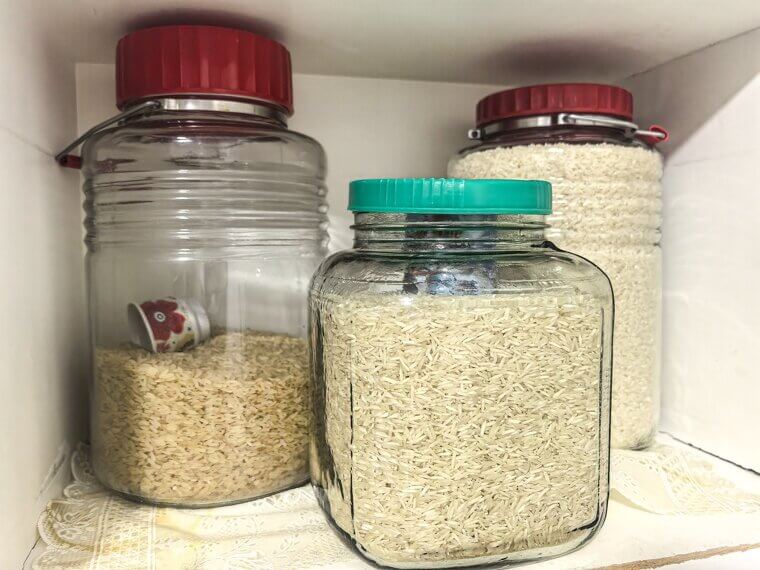
This simple organizational habit transforms your pantry into an aesthetically pleasing, pest-free zone. You will save a tremendous amount of frustration and money by never having to throw away contaminated boxes of expensive organic grains.
Keep Short Term Butter In A Water Sealed French Crock And Freeze The Rest For Ultimate Freshness
Sticks left sitting out on a simple saucer quickly oxidize, turning a translucent yellow and developing a remarkably sour, unpleasant flavor. Conversely, keeping your daily supply in the fridge means you are always struggling to spread rock-hard pieces that inevitably tear holes in your toast. A classic French butter bell solves this dilemma by using a small amount of cold water to create an airtight seal around the dairy, allowing it to sit safely at room temperature.
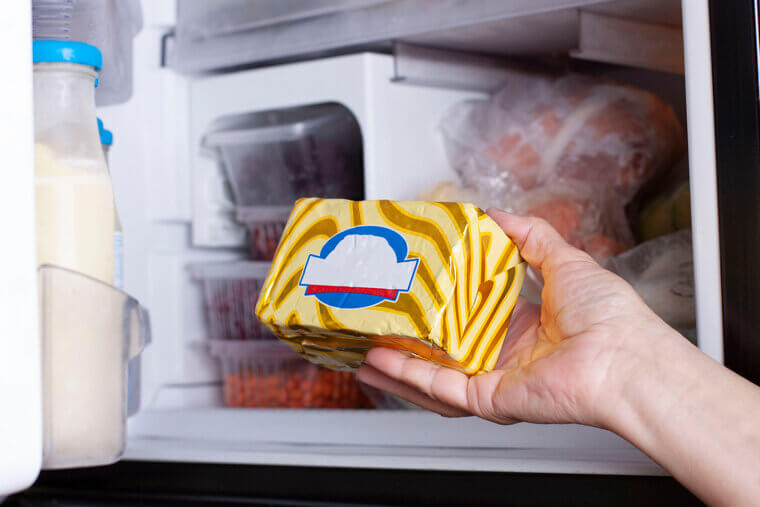
The spread stays luxuriously soft and sweet for up to 3 weeks without any risk of spoilage. Any extra sticks should be wrapped tightly in foil and placed in the deepest part of your freezer until needed. This two-part system ensures you always have the perfect consistency ready for baking or breakfast without ever dealing with rancid flavors.
Store Bell Peppers In A Breathable Reusable Bag Inside The Crisper To Maintain Their Firm Snap
When sealed tightly in regular grocery bags, the high water content of these vibrant vegetables creates a humid microclimate that accelerates rotting. The skins quickly turn wrinkled and soft, making them difficult to slice cleanly for fajitas or stir-fry dishes. To keep them perfectly taut and crisp, transfer the unwashed peppers into a specialized reusable mesh or cloth produce bag. Place them in the crisper drawer set to a high-humidity setting, ensuring they have plenty of breathing room and aren't crushed by heavier items.
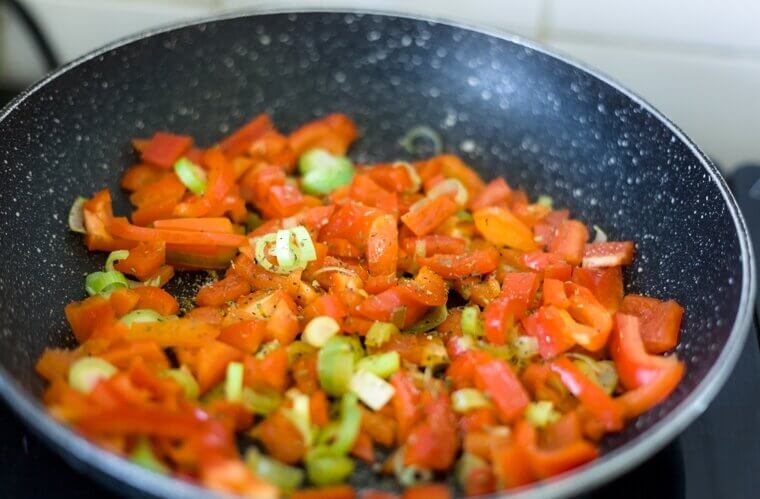
This balanced airflow prevents condensation buildup while keeping the cellular structure fully hydrated for up to 2 weeks. You will notice a dramatic improvement in their texture, making meal prep much faster and significantly more enjoyable.
Never Store Pure Honey In The Refrigerator Because The Cold Causes It To Crystallize And Solidify
This ancient natural sweetener boasts an long shelf life, essentially never spoiling due to its low moisture content and high acidity. However, exposing it to chilly temperatures disrupts the delicate balance of natural sugars, causing them to bind together into a thick, gritty, unpourable paste. The best place for your jar is inside a dark pantry cabinet or on a shelf that stays consistently at normal room temperature. Make sure the lid is screwed on tightly after every use to prevent moisture and unwanted ants from finding their way inside.
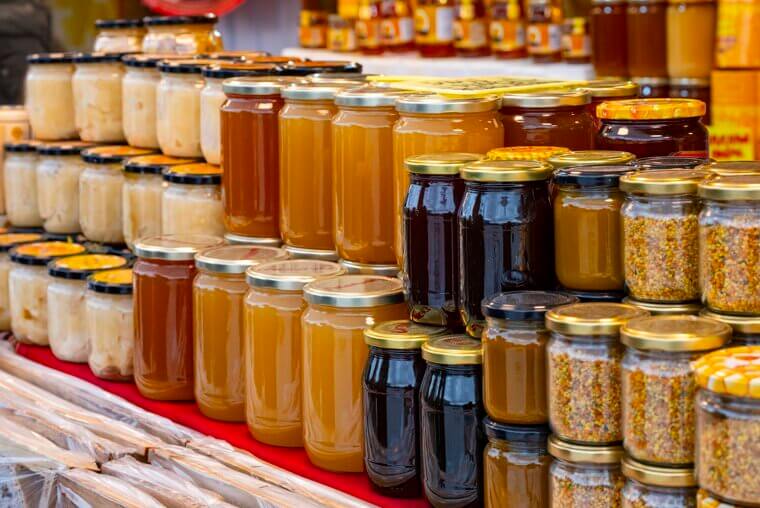
If your supply does happen to crystalize naturally over time, you can easily rescue it by placing the glass jar in a warm water bath until it turns liquid again. Proper storage guarantees you always have a smooth, luxurious drizzle ready for your morning tea or oatmeal.
Always Refrigerate Real Maple Syrup After Opening To Prevent Mold From Growing On The Surface
Unlike its highly processed, artificially flavored counterparts, genuine tree sap is a pure, natural product devoid of chemical preservatives. While an unopened jug is perfectly safe sitting on a pantry shelf, breaking the seal introduces ambient mold spores that thrive in the sugary liquid. Once you crack it open for a weekend pancake breakfast, you must immediately transfer the bottle to the refrigerator to halt any potential microbial growth. The cold environment keeps the syrup perfectly safe to consume for up to a year, though it might pour slightly slower due to the chilled temperature.

If you buy in large bulk quantities, you can even freeze portions in glass jars, as the high sugar content prevents it from freezing solid. Following this rule guarantees your luxurious breakfast topping stays pristine and safe to eat.
Store Whole Cabbage Heads Unwashed In The Crisper Drawer To Keep Them Crunchy For Over A Month
This resilient brassica is naturally designed to last a long time, but improper handling can quickly turn the outer leaves slimy and unappetizing. The protective waxy coating on the exterior easily washes away, so you should never rinse the head until you are ready to start chopping. Simply leave the tough outer leaves intact, as they act as a natural shield against the dry, circulating air inside your appliance. Place the entire, untouched head directly into the high-humidity crisper drawer, giving it plenty of space away from delicate, gas-producing fruits.
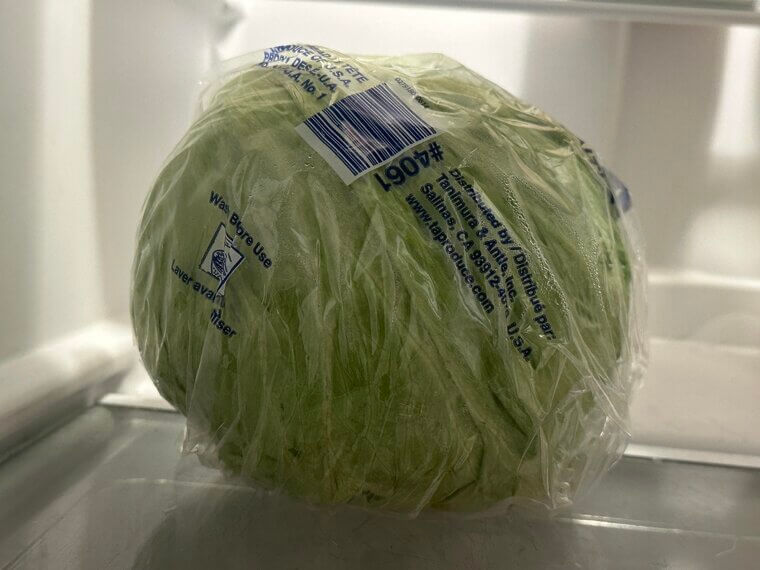
When stored this way, it remains remarkably dense, crisp, and fresh for 4 to 6 weeks. This makes it an cost-effective, reliable vegetable to have on hand for impromptu slaws, stir-fries, and hearty winter soups.
Leave The Husks On Fresh Corn When Refrigerating To Protect The Kernels From Drying Out
Shucking sweet yellow cobs at the grocery store might save you a few minutes of prep time at home, but it drastically reduces their freshness. The thick, green outer leaves provide a vital layer of insulation that locks moisture tightly against the delicate kernels, preventing them from turning tough and starchy. As soon as you get home, place the fully intact ears directly into a loose plastic grocery bag and store them on a main shelf in the fridge.
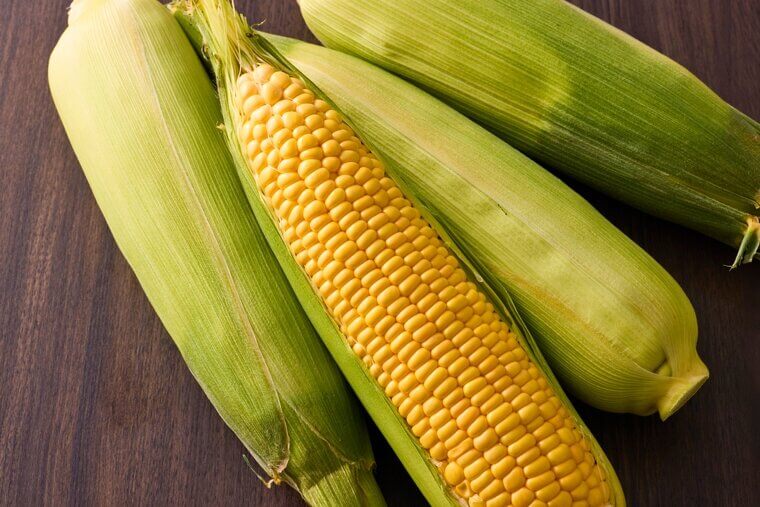
The cool temperature slows down the natural conversion of sweet sugars into bland starches, preserving that classic summer flavor. For the best culinary experience, you should ideally consume them within 3 days of purchase, only removing the green layers right before boiling or grilling. This strategy ensures every bite bursts with juicy, garden-fresh sweetness.
Store Fresh Basil Like A Bouquet Of Flowers At Room Temperature To Prevent The Leaves From Turning Black
Placing this delicate herb into the cold refrigerator is a guaranteed way to destroy it almost instantly. The fragile cellular structure cannot handle temperatures below 50 degrees, causing the vibrant green leaves to quickly oxidize, wilt, and develop unappetizing dark spots. Treat it exactly like fresh cut flowers by trimming the very bottom of the stems and placing the bunch upright in a small glass of room temperature water. Keep the jar sitting on a shady kitchen counter away from direct, harsh sunlight, and loosely drape a thin plastic sandwich bag over the top to retain humidity.
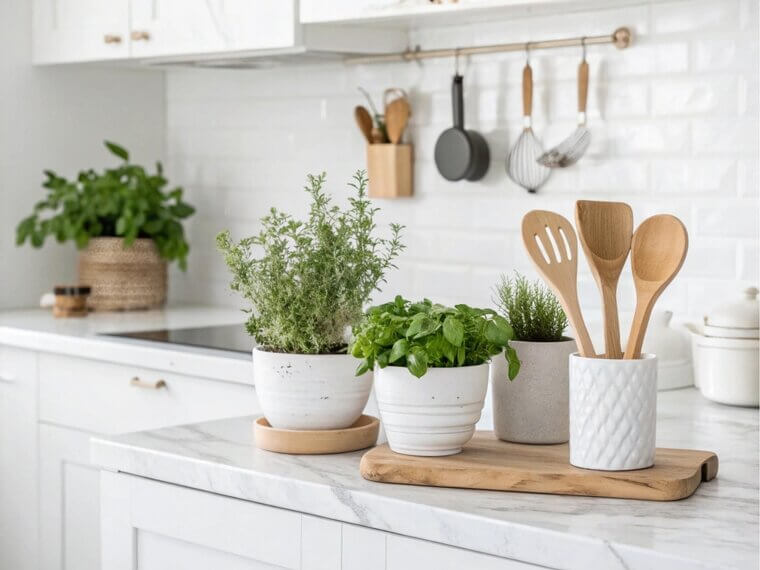
Change the liquid every few days to keep it smelling sweet and fresh. This elegant storage method easily doubles its lifespan, providing you with perfect garnishes for pasta and pizza all week long.
Keep Avocados On The Counter Until Perfectly Ripe And Then Move Them To The Fridge To Halt Aging
Timing the exact moment to slice into these expensive green fruits can feel like a stressful guessing game. If you put rock-hard, unripe ones into the chill of the refrigerator, they will stubbornly refuse to soften and develop their signature creamy texture. Leave them sitting at room temperature in a fruit bowl until they yield slightly to gentle thumb pressure. The very second they reach that ideal state of readiness, transfer them to a shelf in the fridge to drastically slow down the ripening process.
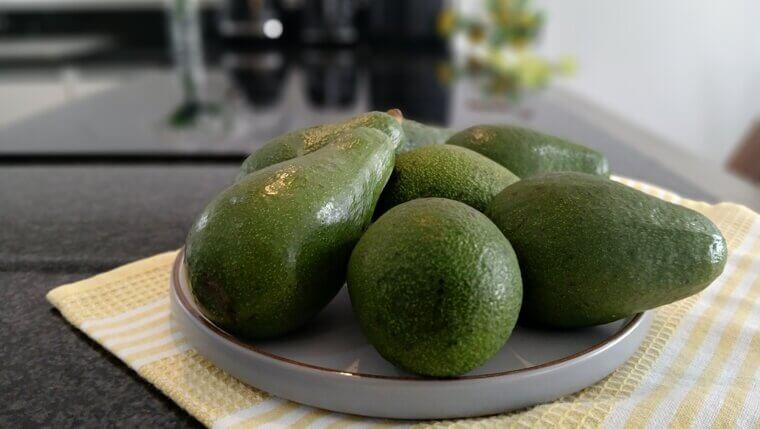
The cold environment essentially pauses their biological clock, giving you an extra 3 to 5 days to enjoy them before they turn mushy and brown inside. This strategic two-step method eliminates the frustration of cutting into an overripe mess and throwing away your hard-earned cash.