
Step back in time with these beloved retro cooking tricks and nostalgic recipes our grandmothers swore by. From clever ingredient swaps to timeless kitchen wisdom, these vintage methods still work wonders today.
Saving Bacon Grease to Add a Level of Savory Goodness to Frying and Roasting
Back in the day, no one ever threw away the drippings after cooking breakfast meat. Grandmothers would carefully pour the hot liquid into a metal coffee can or a ceramic jar kept right on the stove. This flavor-packed staple became the secret ingredient for frying eggs, roasting potatoes, and adding rich depth to green beans or collard greens. Modern cooks can easily revive this practice by using a fine mesh strainer and a heat-safe glass jar to store the liquid gold in the refrigerator for longevity.
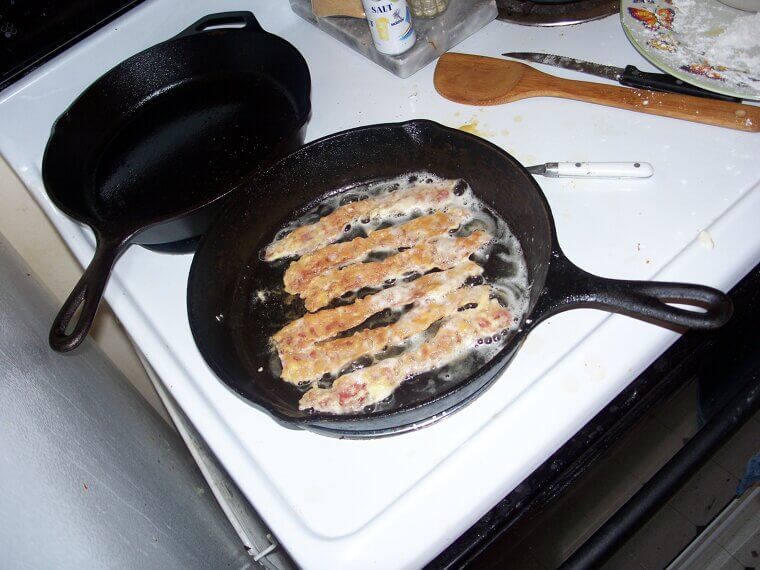
It reportedly adds a level of savory goodness that plain vegetable oil simply cannot match. You will quickly discover why this thrifty habit remained a cornerstone of classic home cooking for generations.
Adding Lemon to Milk to Create a Quick Buttermilk Substitute for Tender Baked Goods
Many vintage baking recipes call for buttermilk to activate baking soda and create a tender crumb in cakes and biscuits. Whenever the real thing was unavailable, resourceful home cooks knew exactly how to create a perfect substitute in mere minutes. They would stir a tablespoon of fresh lemon juice or white vinegar into 1 cup of regular milk and let it sit. The acid thickens the liquid slightly and provides that essential tangy flavor profile needed for proper leavening.
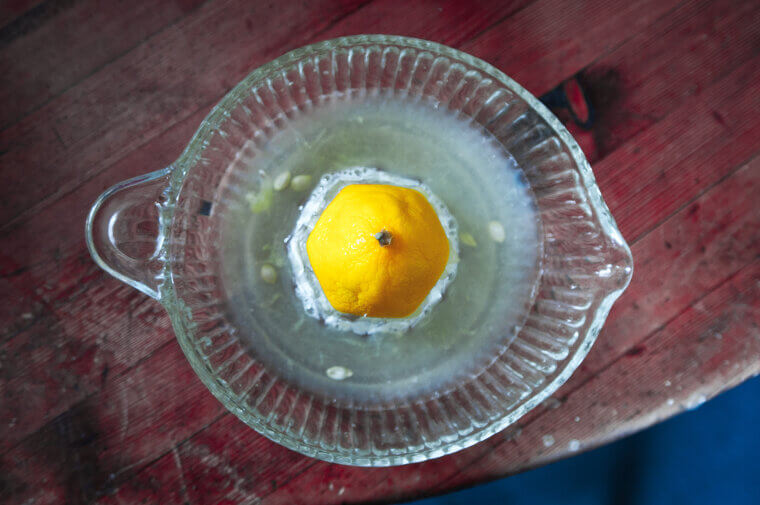
This brilliant workaround saves you an unnecessary trip to the grocery store when you are in the middle of preparing batter. Your homemade baked goods will rise beautifully and taste just as delicious as if you used the traditional dairy product.
Using Ice-Cold Water to Ensure the Flakiest, Shatteringly Crisp Pie Crust Layers
Achieving the ultimate flaky pastry was a true point of pride for homemakers throughout the 20th century. The widely shared secret involved keeping all ingredients as cold as possible, especially the hydration element. Generations of bakers swore by adding literally ice-cold water, one tablespoon at a time, to the flour and fat mixture. This temperature control prevents the butter or shortening from melting prematurely before the pan enters the hot oven.
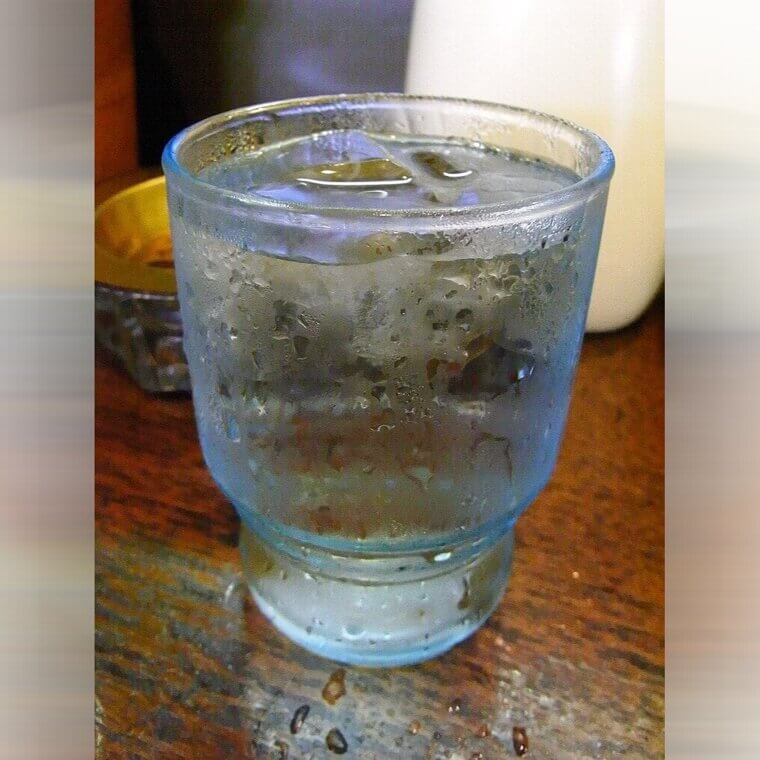
When those tiny pockets of solid fat finally hit the heat, they create steam that separates the dough into delicate, shatteringly crisp layers. Adopting this old-school temperature trick will instantly elevate your holiday desserts and savory quiches.
Coating Blueberries in Dry Flour to Prevent Them From Sinking to the Bottom of Muffins
Nothing ruins the visual appeal of a fresh fruit muffin quite like all the berries pooling at the very bottom of the tin. Experienced grandmothers developed a remarkably simple strategy to keep those sweet morsels evenly distributed throughout the batter. They would toss the washed fruit in a spoonful of dry flour before gently folding them into the final mixture. This light powdery coating absorbs excess surface moisture and gives the fruit enough grip to suspend itself in the wet dough.
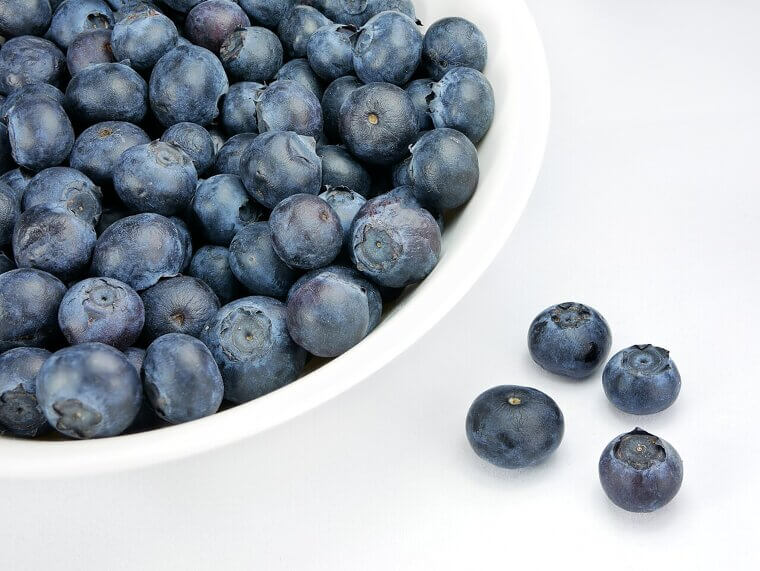
It works wonderfully for chocolate chips, chopped nuts, and dried cranberries as well. You will find that this minor preparatory step makes a massive difference in the final presentation of your morning treats.
Greasing the Jell-O Mold to Ensure Intricate Gelatin Desserts Slide Out Flawlessly
Gelatin salads and elaborate desserts reigned supreme at mid-century dinner parties and family potlucks. However, getting those intricate wobbly creations out of their decorative copper shapes intact was often a stressful endeavor. Savvy hostesses learned to lightly coat the inside of their metal or plastic containers with a microscopic layer of neutral cooking oil or mayonnaise. This invisible barrier ensured that the set gelatin would slide out flawlessly onto the serving platter without tearing or leaving chunks behind.
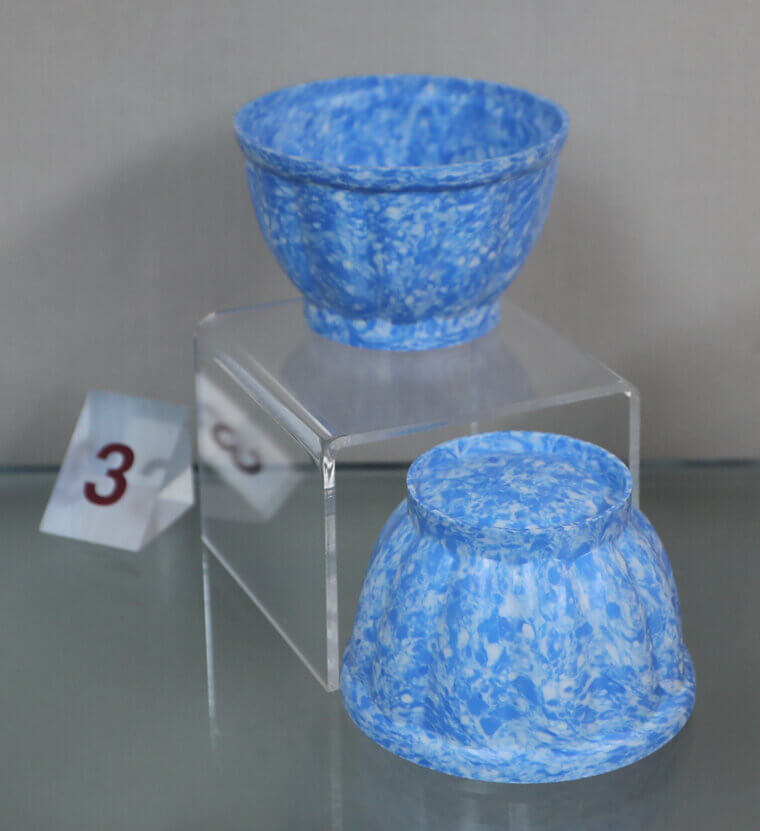
Today, you can use a quick spritz of non-stick cooking spray wiped down with a paper towel for the exact same insurance. Your retro desserts will present beautifully every single time you host a nostalgic gathering.
Adding Uncooked Rice to Salt Shakers to Absorb Moisture and Prevent Condiments from Clumping
Humid summer days often wreaked havoc on kitchen condiments, transforming free-flowing table salt into frustrating solid blocks. Before commercial anti-caking agents became standard, thrifty cooks relied on a brilliant pantry staple to solve this annoying issue. They simply dropped a pinch of uncooked white rice directly into their glass shakers to absorb any ambient moisture in the air. The grains are far too large to pass through the tiny dispensing holes, meaning they stay perfectly hidden while doing their important job.
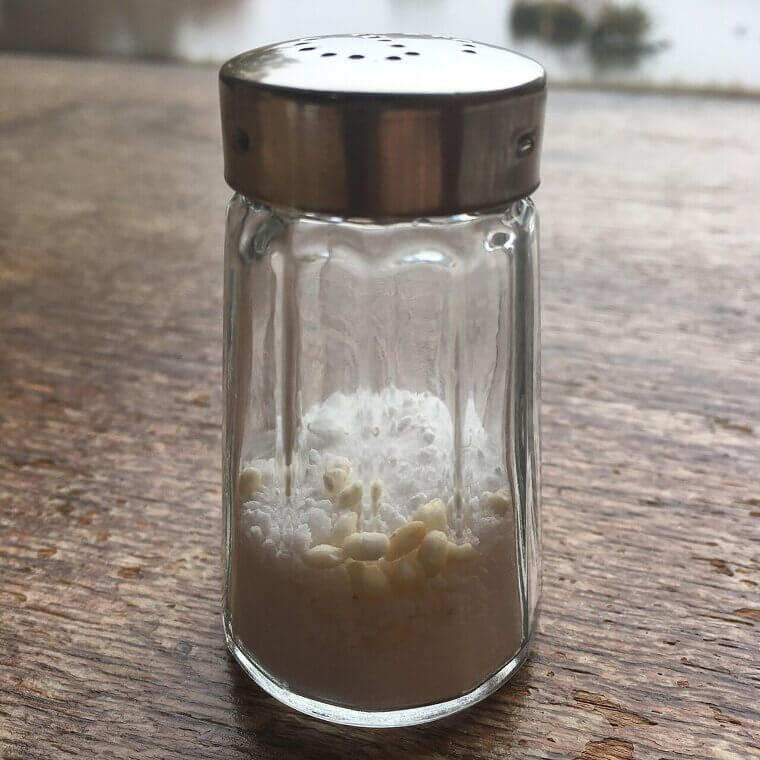
This natural desiccant method remains incredibly effective in modern kitchens, particularly for those living in coastal or tropical environments. It is a completely natural way to keep your seasonings ready for immediate use.
Boiling Discarded Potato Peels to Craft a Rich and Hearty Zero-Waste Vegetable Broth
During times of economic hardship, minimizing food waste was not just a trend but an absolute necessity for survival. Frugal matriarchs recognized that the discarded skins of root vegetables held tremendous earthy flavor and essential nutrients. Instead of tossing potato and carrot peels into the compost bin, they simmered them with onion ends and celery leaves to craft a rich, savory base liquid. This homemade stock served as the hearty foundation for countless winter stews, gravies, and comforting noodle soups.
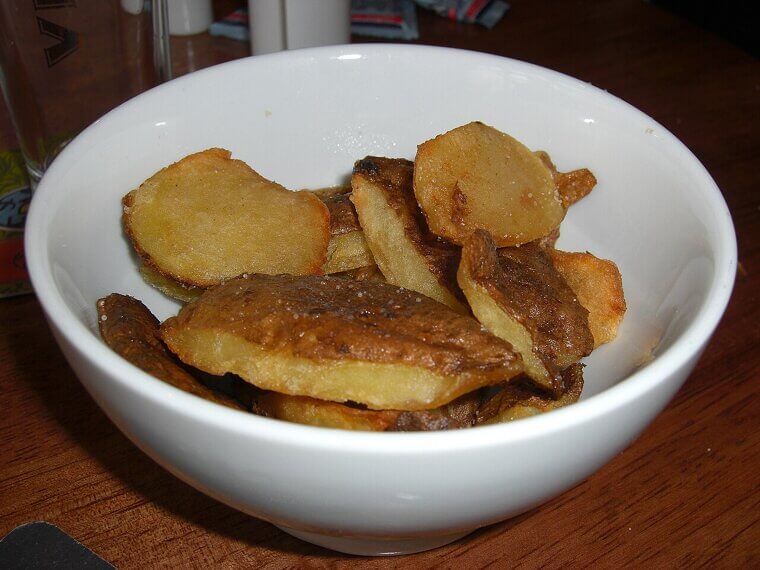
Modern home chefs can easily adopt this zero-waste philosophy by keeping a dedicated scrap bag in the freezer until brew day. You will save money while creating a vegetarian broth that tastes vastly superior to store-bought cartons.
Whipping Freezing Cold Evaporated Milk to Create a Voluminous and Budget-Friendly Dessert Topping
Fresh heavy cream was considered a costly luxury item for many households trying to stretch a tight grocery budget. Resourceful women discovered that canned evaporated dairy could be transformed into a fluffy, cloud-like dessert topping with a little bit of preparation. The trick required placing the tin, the mixing bowl, and the metal beaters in the freezer until everything was icy cold. Once properly chilled, the liquid whips up into a voluminous foam that can be sweetened with powdered sugar and vanilla extract.
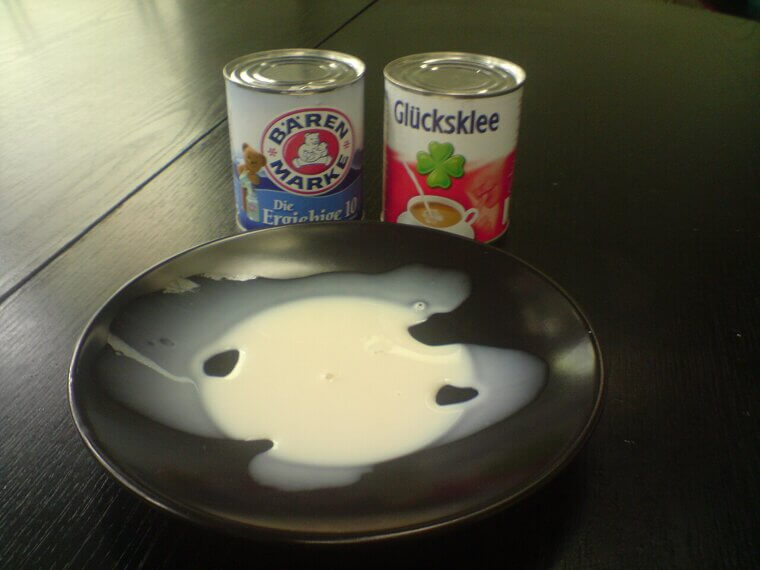
While it allegedly deflates a bit faster than traditional chantilly cream, it provides a wonderfully light accompaniment to pumpkin pie or fresh fruit. This clever substitution remains a fantastic backup plan when you run out of regular whipping cream.
Grating Extremely Chilled Butter to Guarantee Sky-High, Mouthwatering Biscuit Layers
Southern grandmothers have long guarded the precise techniques required to produce mouthwatering, towering bread sides for Sunday dinners. The most critical rule passed down through generations dictates that the fat must remain extremely chilled until the exact moment of baking. Many cooks would even grate frozen sticks of butter directly into their dry ingredients using a standard cheese grater to ensure minimal handling. This method guarantees that the heat from your hands does not prematurely melt the fat into the flour.
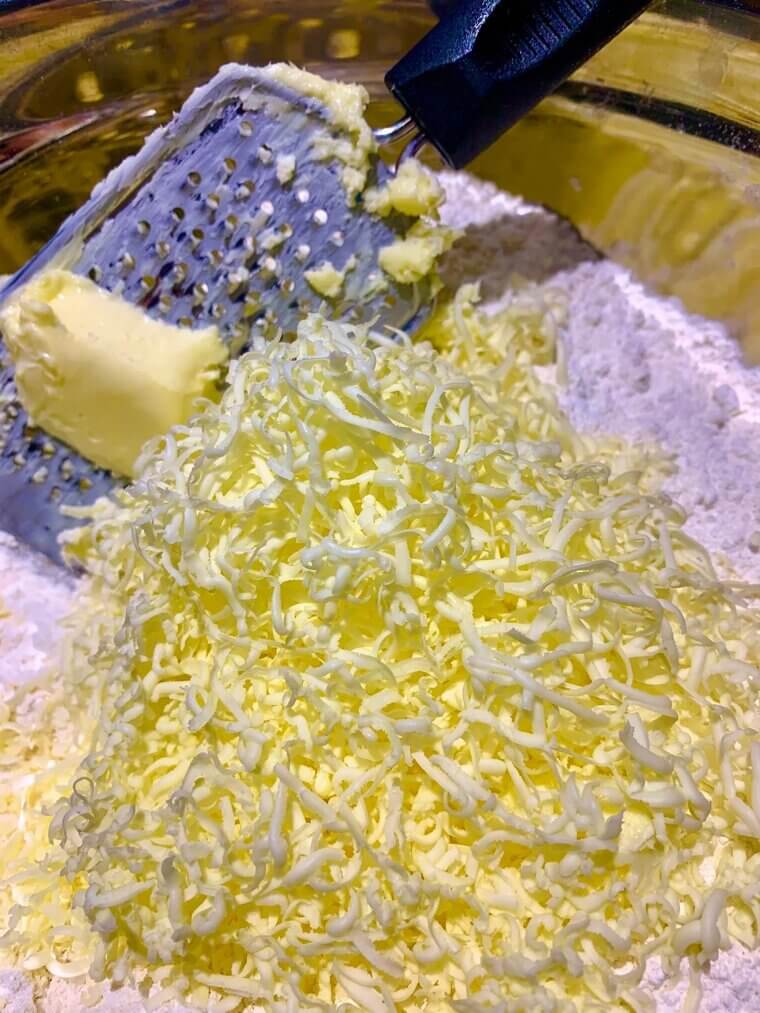
The resulting steam expansion in the hot oven creates those coveted, sky-high layers that easily peel apart. Mastering this chilling technique will solidify your reputation as a top-tier home baker among your friends and family.
Coating Fibrous Steaks in Baking Soda and Water to Achieve a Melt-In-Your-Mouth Tender Texture
Procuring premium, expensive cuts of beef was simply not an option for large families needing to put dinner on the table every night. Clever cooks relied on basic chemistry to transform affordable, fibrous steaks into melt-in-your-mouth main courses. They would lightly coat sliced meat in a mixture of water and a small spoonful of sodium bicarbonate, letting it rest for roughly 20 minutes before rinsing. The alkaline environment alters the physical structure of the proteins, making it nearly impossible for the fibers to tighten up and become chewy during the cooking process.
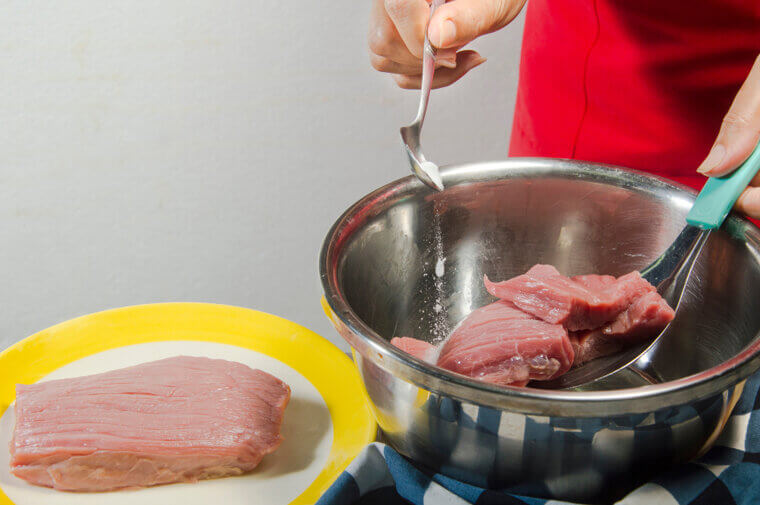
This velvetizing technique is still widely used in restaurant stir-fries to achieve that signature soft texture. It remains one of the best ways to elevate budget-friendly proteins.
Storing Brown Sugar With Soft Marshmallows to Lock in Moisture and Keep It Perfectly Scoopable
Finding a rock-hard brick of molasses-infused sweetener in the back of the pantry is a universal baking frustration. Before specialized terra cotta bears were invented to solve this problem, resourceful bakers used items they already had on hand. Tossing a few large, soft marshmallows or a slice of sandwich bread into the airtight container works absolute wonders for moisture retention. The sugar naturally draws the ambient humidity from the marshmallow, keeping its own texture perfectly scoopable and pliable for months.
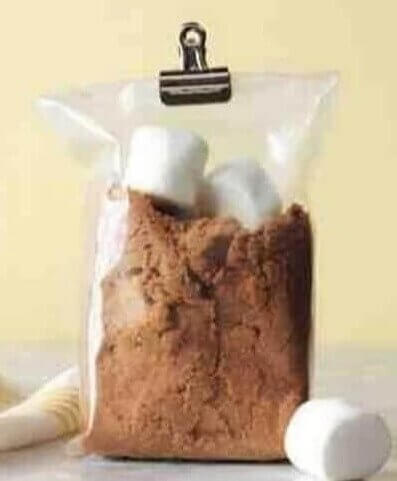
If you ever find yourself chipping away at a solidified block, this vintage prevention trick will save you immense time and effort. It ensures your ingredients are always ready for impromptu batch of chocolate chip cookies.
Salting Sliced Eggplant to Draw Out Bitter Juices and Improve the Final Fried Texture
Older varieties of nightshade vegetables often carried a harsh, astringent flavor profile that could easily ruin a carefully planned Italian dinner. Cooks learned early on that giving the sliced purple produce a generous dusting of kosher salt drew out the offending liquid. After sitting in a colander for half an hour, the dark, bitter juices would bead up on the surface, ready to be rinsed and patted dry. This crucial preparation step also collapses the spongy cell structure, preventing the vegetable from soaking up excessive amounts of oil during frying.
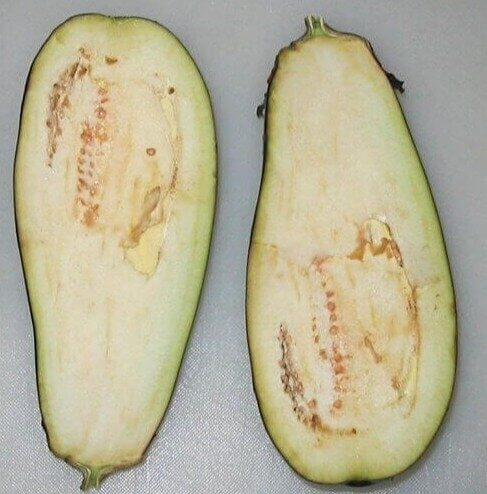
While modern cultivars are reportedly bred to be milder, this traditional purging method still vastly improves the final texture of your parmigiana. It is an essential technique for achieving tender, flavorful results.
Reserving Cloudy Pasta Water to Emulsify and Create a Luxurious, Silky Sauce Coating
Italian nonnas have long understood that the cloudy liquid left behind after boiling noodles is basically culinary magic. Instead of dumping all that precious starch down the kitchen drain, they would carefully reserve a mugful to finish their dishes. Adding a splash of this hot, salty water to your simmering pan helps emulsify the fat and cheese, creating a luxurious, cohesive coating that clings perfectly to every single noodle. It prevents your tomato or cream-based toppings from separating or pooling oil at the bottom of your serving bowl.
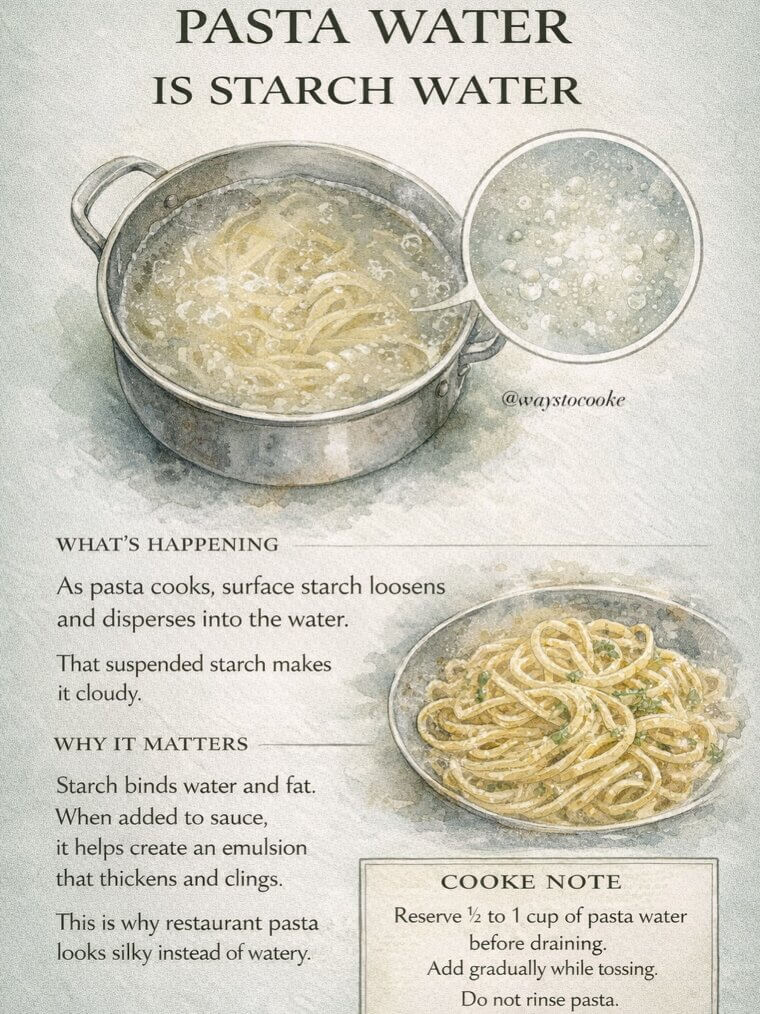
Integrating this simple, traditional step into your routine will immediately upgrade your weeknight spaghetti to restaurant-quality status. You will never view boiling liquid as mere waste again.
Laying a Wooden Spoon Over a Boiling Pot to Pop Bubbles and Prevent Starchy Messes
Walking away from a bubbling pot of starchy carbohydrates often results in a disastrous, sticky mess all over the clean stovetop. To prevent the foam from overflowing the rim, veteran home cooks would simply lay a long wooden utensil horizontally across the top of the metal cookware. The dry, porous surface of the wood destabilizes the rising bubbles upon contact, causing the foam to rapidly burst and retreat back down into the water.
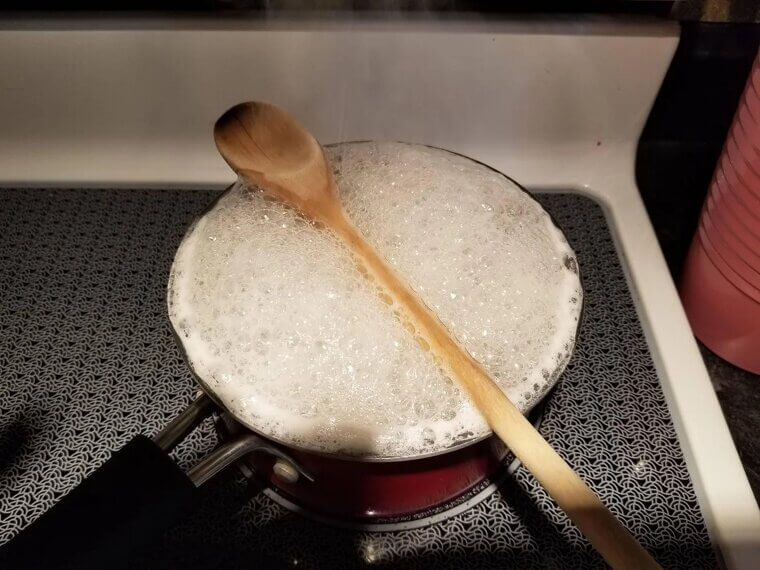
This physical reaction buys you precious time to rush back into the kitchen and lower the burner temperature before a spill occurs. It is a delightfully low-tech safety measure that requires absolutely no special equipment. This visual trick has saved countless busy cooks from tedious cleanup duties.
Resting Cookie Dough in the Icebox to Produce a Significantly Chewier and Thicker Treat
If your baked treats always spread out into thin, crispy puddles on the pan, you might be skipping a crucial vintage step. Experienced homemakers knew that resting the prepared batter in the icebox for at least 24 hours dramatically improved the final outcome. This waiting period allows the flour to fully hydrate and absorb the liquids, resulting in a significantly chewier and more concentrated flavor. Furthermore, starting with cold fat means the cookie takes longer to melt in the oven, maintaining a beautifully thick and soft center.
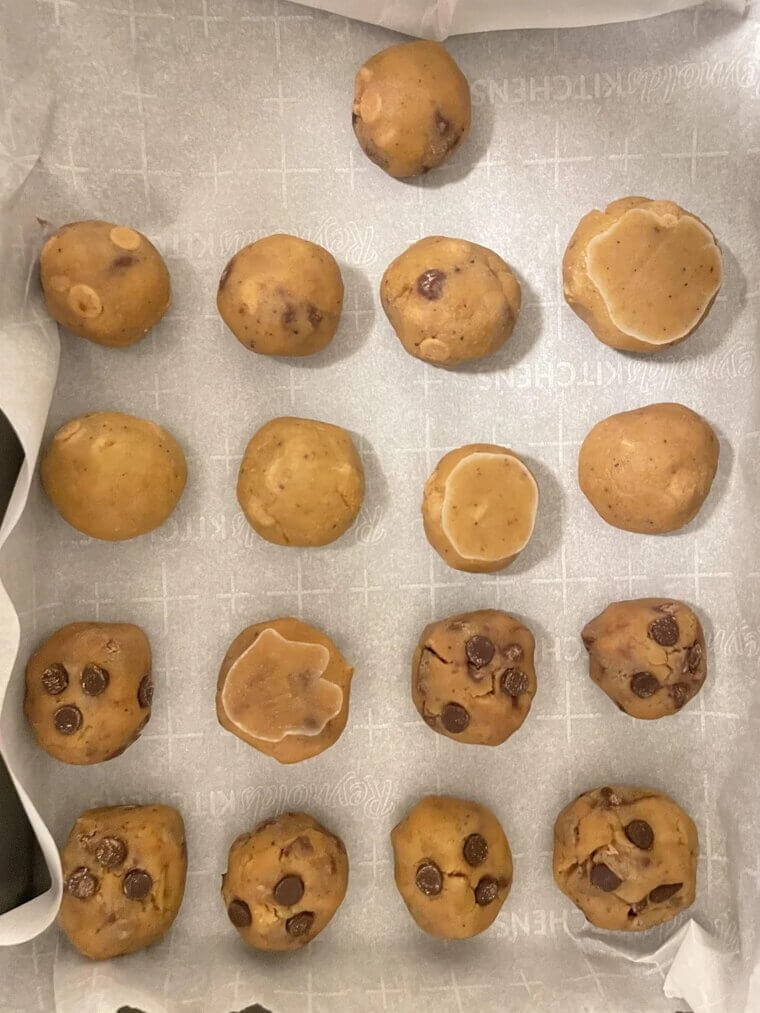
Patience truly is a virtue when it comes to replicating those bakery-style results at home. Your family will definitely notice the structural improvement in your next batch of treats.
Submerging Whole Poultry in a Savory Brine to Ensure Incredibly Succulent and Juicy Breast Meat
Roasting a whole bird without drying out the delicate white breast meat has challenged home chefs for over a century. The old-fashioned solution involves submerging the entire chicken or turkey in a carefully balanced bath of salt, sugar, and cold water. Over several hours, the process of osmosis forces the savory liquid deep into the muscle tissues, seasoning the meat from the inside out. This extra retained moisture provides a crucial buffer during the roasting process, ensuring the final dish remains incredibly succulent even if slightly overcooked.
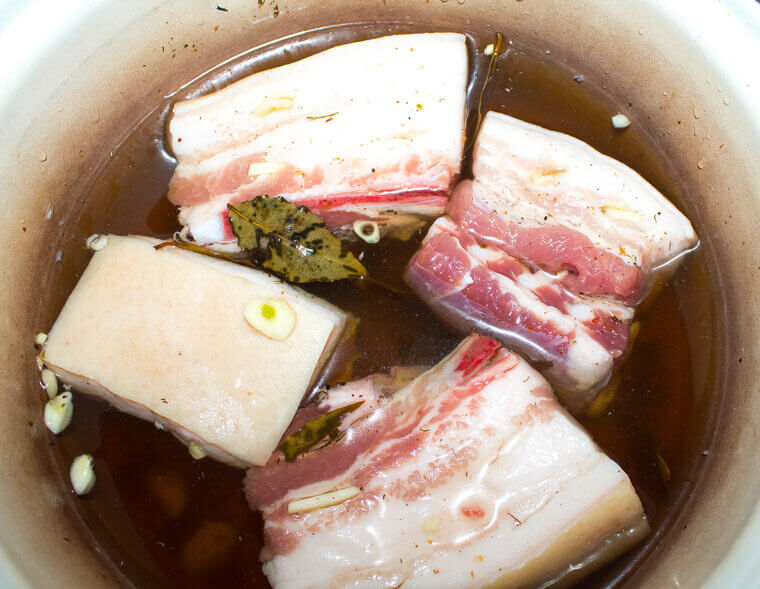
While it requires advance planning and refrigerator space, the spectacular results make the effort entirely worthwhile. Your holiday centerpieces will earn rave reviews when you adopt this time-honored preparation.
Cooking Acidic Foods in Heavy Cast Iron Skillets to Naturally Leach Safe Amounts of Dietary Iron
Before modern non-stick coatings dominated the culinary market, heavy black skillets were the undisputed workhorses of the American kitchen. Beyond their unparalleled ability to hold heat and sear meats perfectly, these durable pans offered a hidden nutritional benefit. Cooking highly acidic foods like tomato sauce or chili in seasoned cast iron naturally leaches tiny, safe amounts of dietary iron into the meal. Many families unknowingly supplemented their diets simply by utilizing these heavy-duty inherited pans for their daily supper preparations.
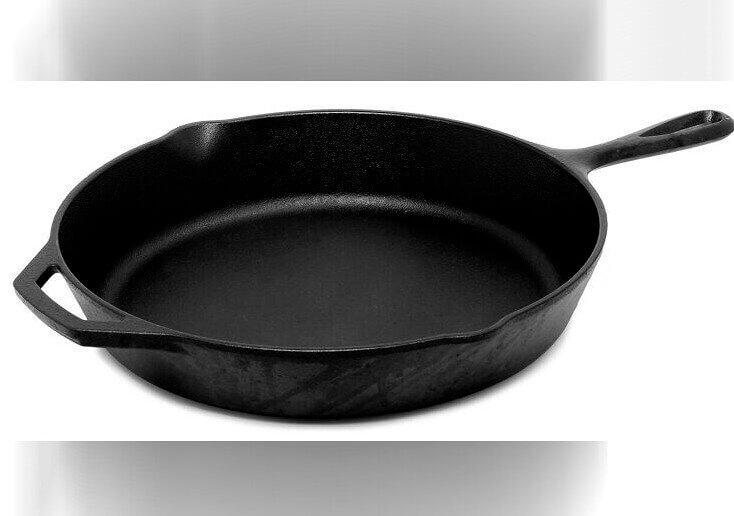
Maintaining and cooking with a vintage skillet connects you to culinary history while providing a phenomenal cooking surface. It is a rugged, multi-purpose tool that genuinely gets better with every single use.
Adding Cornstarch to Scrambled Eggs Ensures It Stays Incredibly Soft, Tender, and Moist
Diner cooks and grandmothers alike shared a brilliant secret for producing the most voluminous, pillowy breakfast platters imaginable. They would whisk a tiny slurry of cornstarch and milk into their raw egg mixture before pouring it into the hot skillet. This unassuming pantry powder prevents the proteins from binding together too tightly when exposed to high heat, which normally results in rubbery, weeping curds. The starch acts as a gentle buffer, ensuring the scramble stays incredibly soft, tender, and moist even if you leave it on the stove a minute too long.
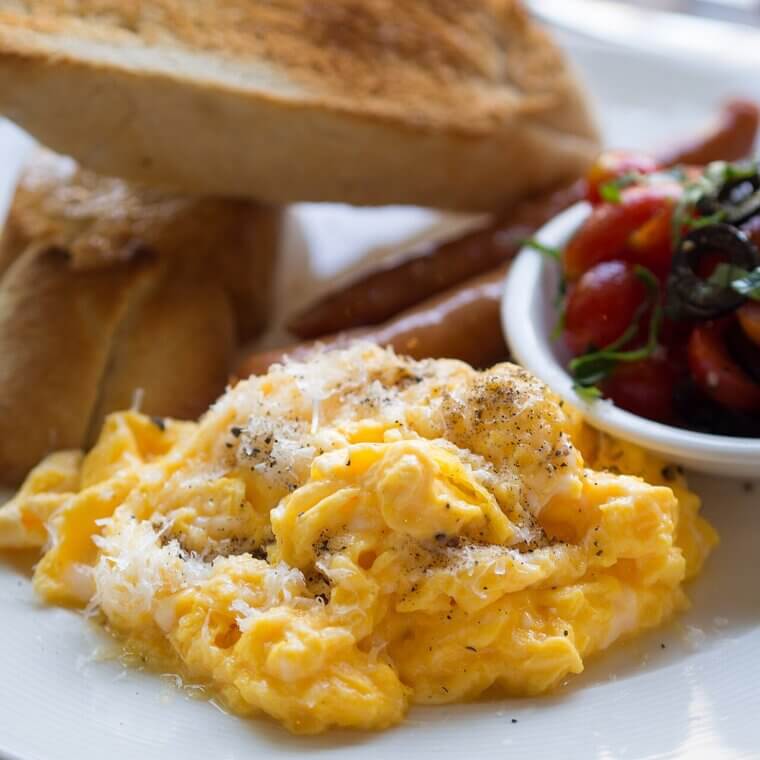
It is a foolproof method for feeding a large morning crowd without stress. You will be amazed at how such a small addition completely transforms the texture.
Rolling Firm Citrus Fruits Across the Counter to Rupture Cells and Maximize Juice Yield
Extracting every last drop of liquid from firm lemons and limes can tire out your hands very quickly. Long before the invention of electric juicers, practical cooks used a quick physical manipulation to maximize their yield for lemonades and marinades. By pressing down firmly and rolling the fruit back and forth across the hard countertop, you easily rupture the internal cell walls. This simple massage technique releases the trapped juices before you even slice into the colorful rind.
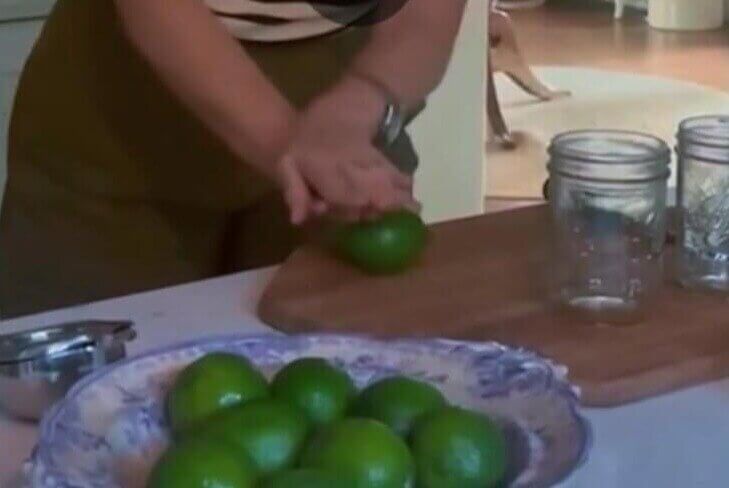
For an extra boost, you can allegedly microwave the fruit for 10 seconds beforehand to warm the oils and loosen the interior further. These combined vintage tactics will ensure you get your money's worth from expensive fresh produce.
Dipping a Sharp Knife in Boiling Water to Glide Effortlessly Through Frosting and Cleanly Slice Cake
Cutting a beautifully frosted layer cake into perfectly pristine slices is much harder than professional bakery photos make it appear. To prevent the sticky icing from dragging and tearing the delicate crumb, seasoned hosts employed a clever temperature trick. They would dip a long, sharp blade into a tall pitcher of boiling water, wiping it completely dry with a towel before making each individual cut. The heated metal glides effortlessly through the dense buttercream and soft sponge, leaving incredibly sharp, clean edges that look spectacular on the dessert plate.

This elegant serving method demonstrates a high level of care and attention to detail. It is the best way to showcase your hard work in the kitchen.
Dropping a Whole Carrot Into Simmering Tomato Sauce to Naturally Absorb Excess Tart Acidity
Simmering a huge pot of crushed tomatoes all afternoon fills the house with a wonderful aroma, but the resulting flavor can sometimes lean too tart. Instead of dumping processed white sugar into the savory recipe to balance the pH, traditional Italian cooks relied on natural vegetable sweetness. Dropping a whole, peeled carrot into the bubbling cauldron allows the root vegetable to absorb excess acid while releasing its own earthy, mild sugars.
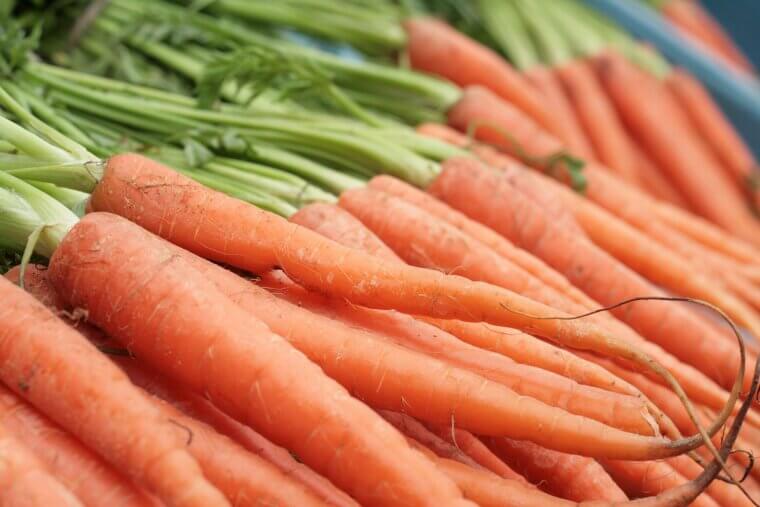
Once the gravy is finished cooking, you simply fish out the softened orange vegetable and discard it before serving. This holistic approach mellows out the sharp notes without turning your dinner into a dessert. It is a brilliant, healthy adjustment for those with sensitive stomachs.
Coating Lean Proteins in Crushed Cornflakes to Achieve a Satisfying Crunch Without Deep Frying
Achieving a satisfying, audible crunch on baked chicken or fish can be difficult without resorting to heavy deep-frying methods. Mid-century recipe developers popularized the ingenious idea of crushing up popular breakfast cereals to use as a crispy exterior coating. The sturdy, toasted corn flakes hold up exceptionally well in the dry heat of an oven, providing a golden, textured shell that mimics fried food perfectly. Kids absolutely loved the slightly sweet and savory combination, making it a highly requested staple for busy weeknight family dinners.
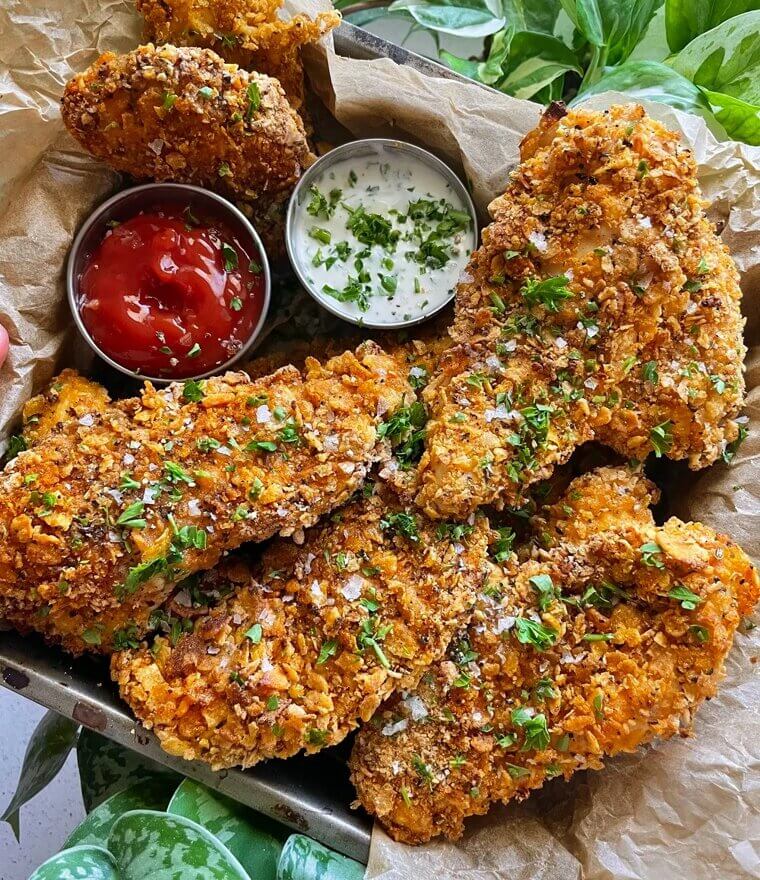
You can easily customize this vintage breading by mixing in garlic powder, paprika, or dried herbs. It remains a surprisingly effective and delicious way to prepare leaner proteins.
Placing a Fresh Apple Inside Potato Bins to Emit Ethylene Gas and Prevent Sprouting
Buying root vegetables in bulk is a great way to save money, provided they do not turn into a tangled mess of green sprouts before you can eat them. Farmers and thrifty homemakers utilized a fascinating piece of natural science to extend the shelf life of their harvest. Placing a single fresh apple inside the dark storage bin or burlap sack reportedly emits ethylene gas, which suppresses the germination process of the neighboring spuds.
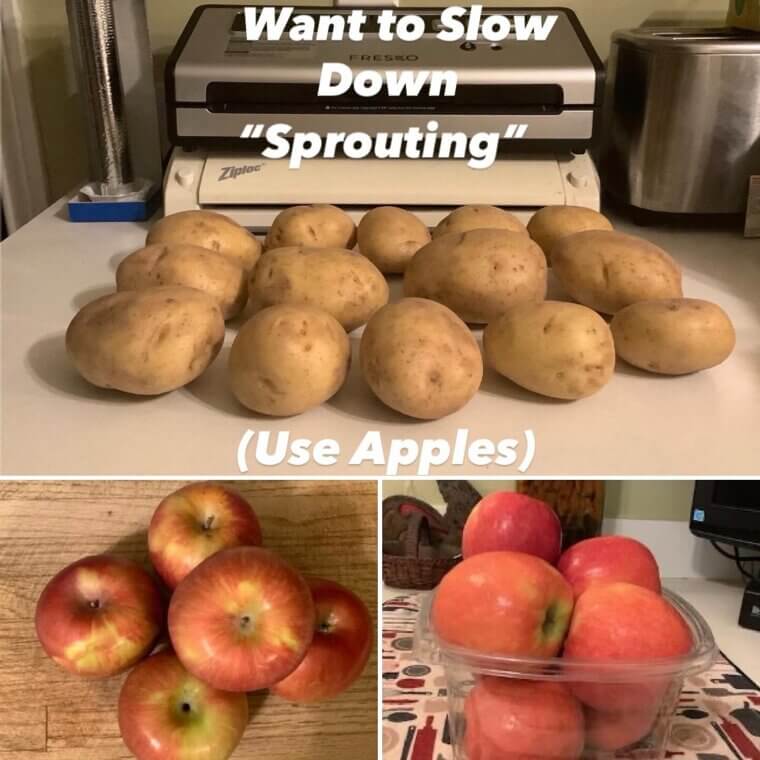
This invisible chemical reaction keeps the potatoes firm and ready to bake for several weeks longer than they would last on their own. It is a brilliant example of old-school agricultural wisdom functioning perfectly in modern homes. Just remember to keep them far away from your onions.
Adding Commercial Mayonnaise to Chocolate Cake Batter for an Incredibly Dense, Rich, and Moist Sponge
During periods of strict rationing, standard baking ingredients like butter and fresh eggs were often severely limited or entirely unavailable. Resourceful depression-era bakers figured out that a dollop of commercial mayonnaise was the perfect all-in-one substitute to save their desserts. Since the condiment is essentially an emulsion of oil, egg yolks, and a touch of vinegar, it provides all the necessary fat and tenderizing acid a cake batter requires. The resulting sponge turns out incredibly dense, rich, and remarkably moist, with absolutely no lingering savory flavor from the dressing.
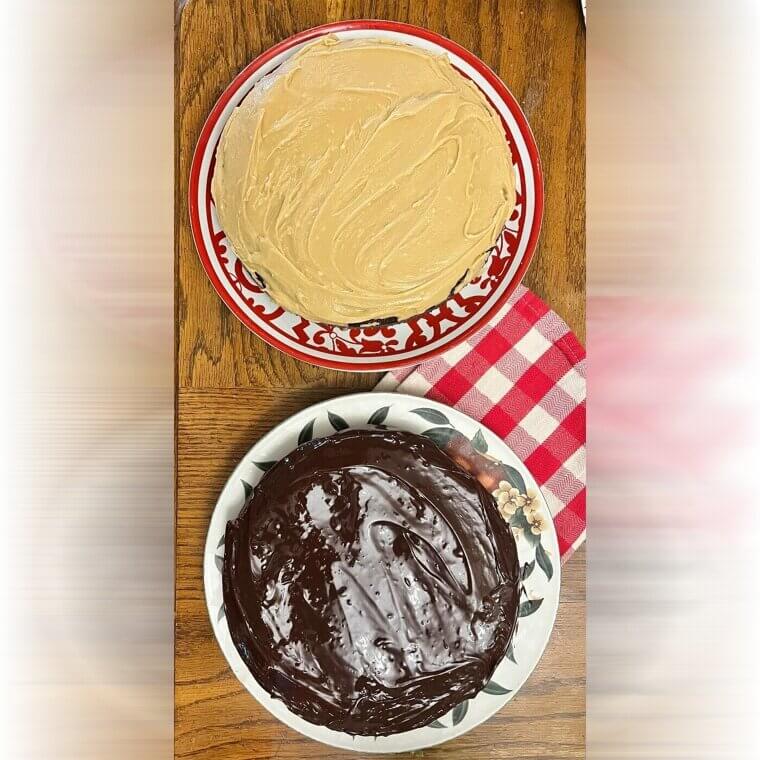
Today, this vintage secret is still utilized to create some of the most decadent chocolate treats imaginable. Do not let the unusual ingredient list deter you from trying this legendary hack.
Pouring Leftover Coffee into Brownie Batter to Dramatically Amplify Complex and Fudgy Chocolate Notes
Enhancing the depth of cocoa powder without overshadowing the primary flavor is a delicate balancing act for any dessert enthusiast. Many grandmothers learned that adding a splash of leftover morning brew or a teaspoon of instant espresso granules dramatically elevates baked goods. The roasted bitterness of the dark liquid naturally amplifies the complex, fruity notes hidden within the chocolate, making it taste far more expensive than it actually is. It does not make the final product taste like a cafe beverage; rather, it creates a much darker, fudgier, and more sophisticated flavor profile.
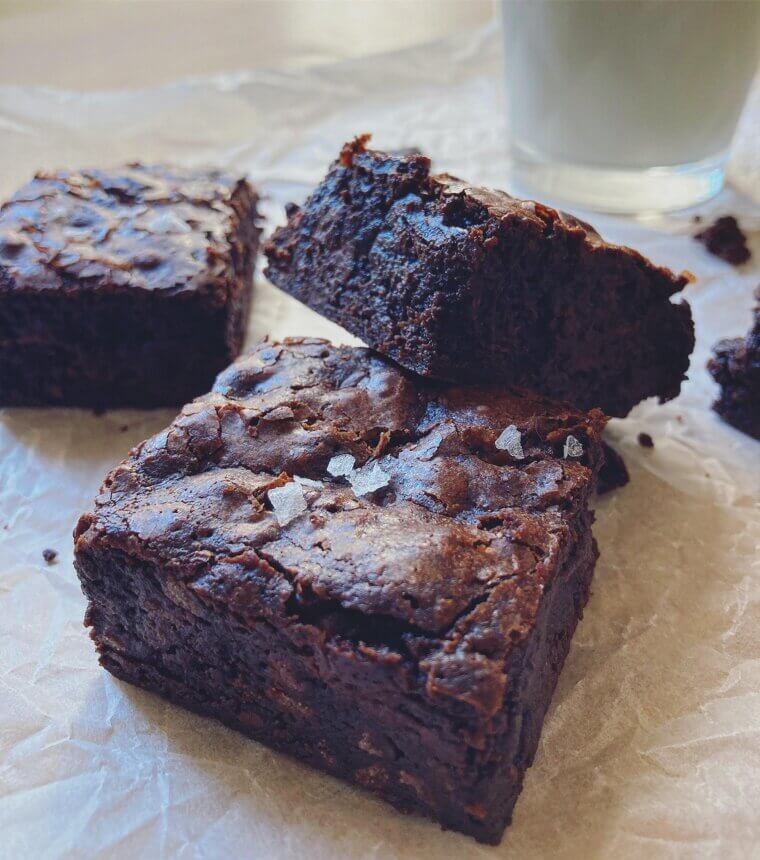
You can apply this brilliant liquid swap to boxed mixes as well for an instant gourmet upgrade. It is a zero-cost trick that yields massive culinary rewards.
Submerging Sliced Raw Onions in Freezing Water to Tame Their Pungent Bite for Salads
Raw alliums provide a fantastic crunch in fresh summer salads, but their pungent, lingering bite can easily overpower the entire dish. To tame the aggressive sulfur compounds, experienced salad makers would submerge their freshly sliced red or white onions in a bowl of freezing water for 10 minutes. The chilly bath crisps up the vegetable fibers while simultaneously drawing out the harsh enzymes responsible for that intense, tear-inducing sharpness. After a quick drain and pat down, the resulting rings are sweet, refreshing, and incredibly pleasant to consume in large quantities.
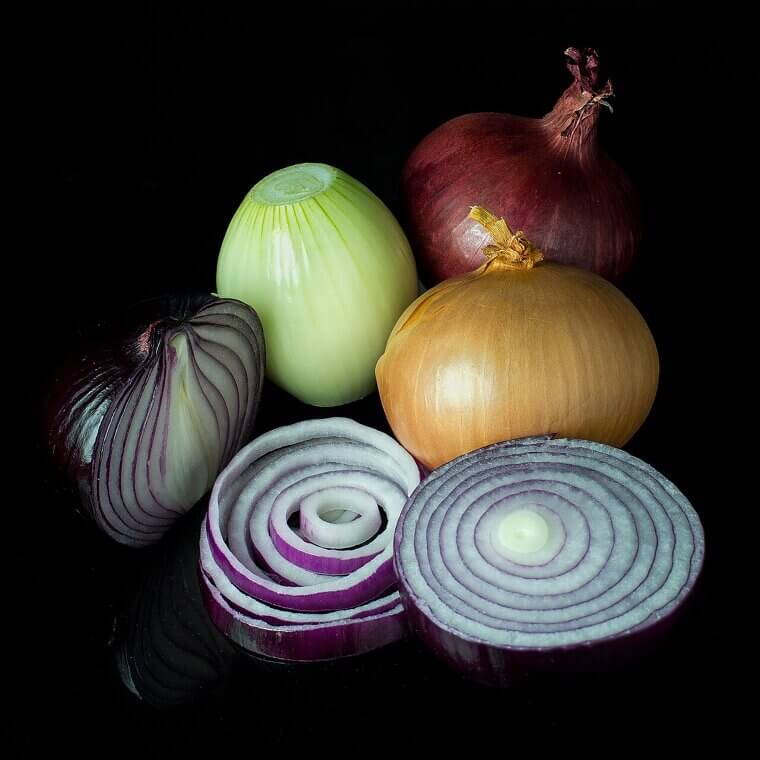
This simple preparation step makes raw garnishes much more palatable for picky eaters and children. Your burgers and leafy greens will benefit greatly from this quick temper.
Lining a Raw Pastry Shell With Heavy Copper Pennies to Weigh It Down and Prevent Shrinking
Blind baking a pastry shell without it puffing up or shrinking down the sides is a notoriously finicky kitchen task. Before ceramic pie weights became widely available in specialty stores, home economists utilized a very literal pocket-change solution. They would line the raw dough with parchment paper and fill the cavity with a handful of clean, heavy copper pennies to weigh it down evenly. The metal coins conduct heat beautifully, ensuring the bottom of the crust cooks all the way through without becoming soggy.
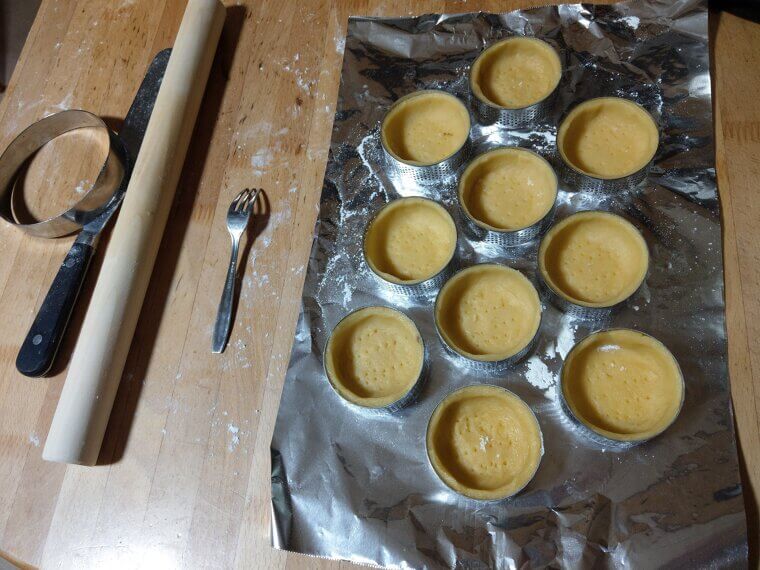
While we now recommend using dried beans or commercial weights for food safety reasons, the vintage logic behind this hack is completely sound. It is a charming reminder of how adaptable our ancestors were with their limited resources.
Freezing Leftover Wine Into Convenient Cubes to Preserve Complex Flavors for Future Pan Sauces
Pouring half a bottle of expensive merlot down the drain after a dinner party is a heartbreaking experience for any frugal cook. To preserve the complex flavors for future culinary endeavors, wise hosts started pouring the remnants into plastic freezing compartments. These convenient, pre-portioned blocks can be popped out and stored in a freezer bag for months without degrading in quality. Whenever a pan sauce, beef stew, or risotto recipe calls for a splash of vino to deglaze the pot, you simply drop in a frozen cube directly over the heat.
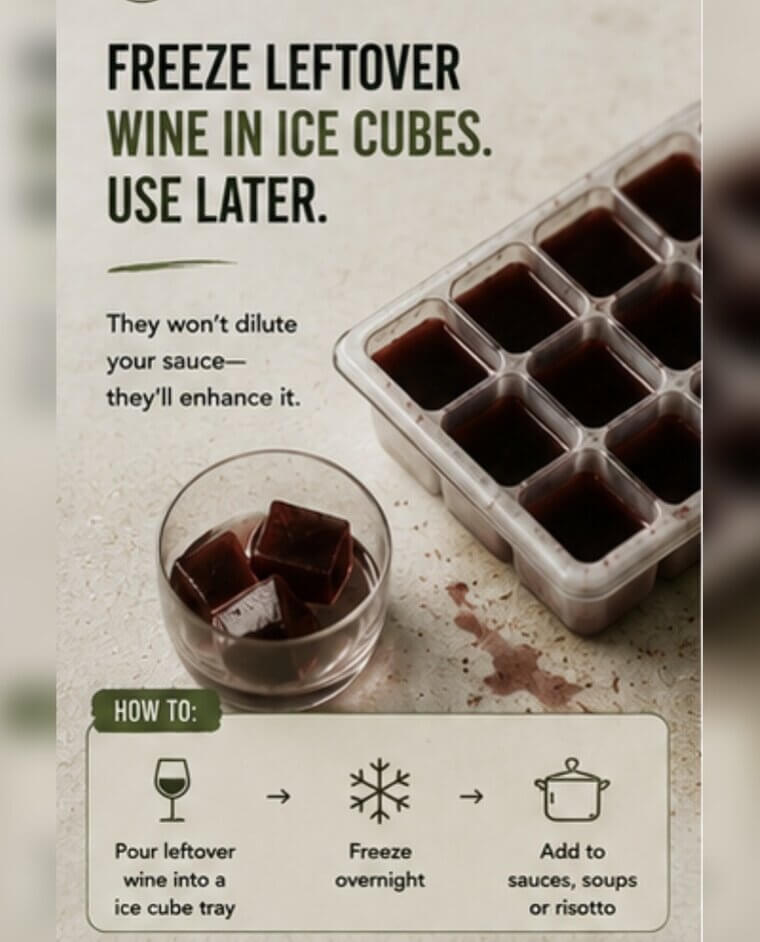
This highly practical preservation method ensures you always have flavor-enhancing ingredients on standby. It eliminates waste while simultaneously upgrading your spontaneous weeknight meals.
Collecting Trimmed Vegetable Scraps in the Freezer to Boil Down Into a Completely Free Broth
Building a deeply flavorful foundation for homemade soups requires a large volume of aromatic vegetables, which can get quite pricey at the market. To circumvent this cost, clever home chefs kept a large, resealable bag tucked away in the very back of their icebox. Every time they chopped an onion, trimmed a carrot, or snapped the ends off green beans, the washed trimmings went straight into the freezing pouch. Once the bag reached capacity, the collected medley was boiled down to create a robust, complex, and completely free vegetarian broth.
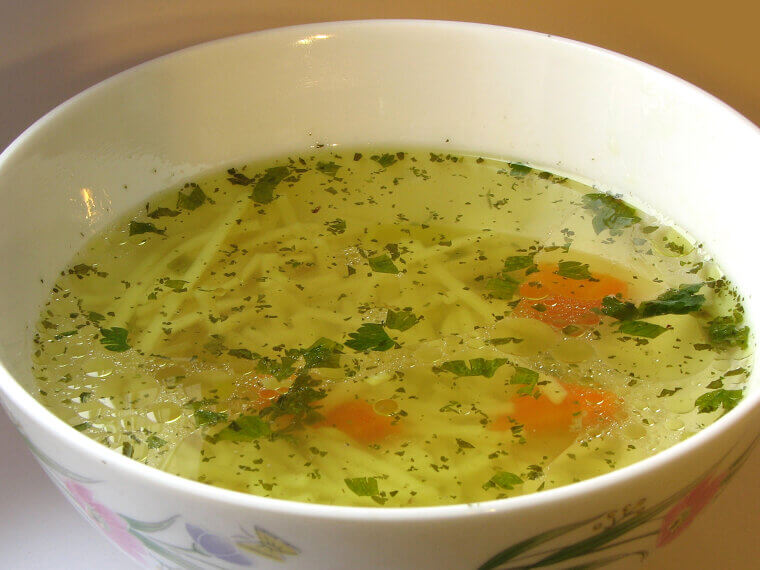
This environmentally friendly habit perfectly encapsulates the depression-era mindset of utilizing absolutely everything. It is a highly rewarding practice that every modern household should immediately adopt.
Swapping Heavy Cooking Oils for Unsweetened Applesauce to Keep Baked Goods Tender and Lower Calories
As dietary trends shifted towards lowering fat intake in the late 20th century, health-conscious bakers needed a reliable substitute for heavy shortening. They discovered that unsweetened fruit puree possessed the exact right moisture content and pectin structure to mimic cooking oils in quick breads and muffins. Swapping out half the requested fat for this common snack keeps the crumb beautifully tender while significantly reducing the overall caloric density. The mild flavor of the fruit completely disappears into spiced goods like gingerbread, carrot cake, and zucchini bread.
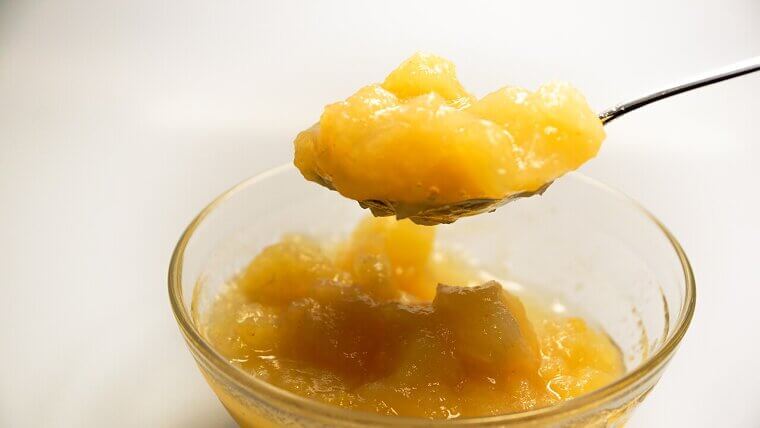
This wholesome substitution allows families to enjoy their favorite baked treats on a more frequent basis. It is a wonderful trick for sneaking extra fruit into a picky toddler's diet.
Stirring a Pinch of Salt Into Cheap Coffee to Physically Block the Perception of Bitter Flavors
Brewing a pot of generic, inexpensive diner grounds often resulted in a harsh, overly bitter morning beverage that required heavy masking. Old-school waitresses and sailors swore by an unconventional additive to smooth out the jagged edges of a poorly roasted batch. Stirring just a few tiny grains of sodium chloride into the hot liquid binds to the taste receptors on your tongue, physically blocking the perception of bitterness. This brilliant chemical interference allows the underlying sweet and nutty notes of the bean to shine through without relying on excessive sugar or heavy cream.
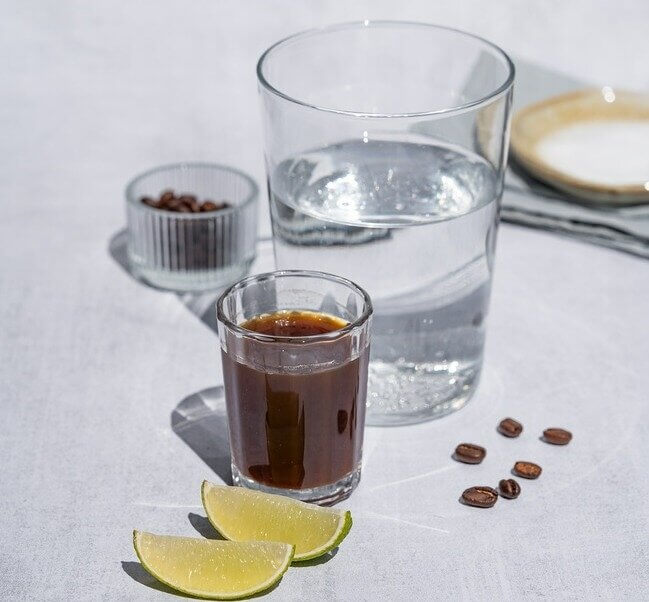
While specialty cafes might scoff at the practice, it is incredibly effective for making cheap office coffee drinkable. Try it once and you might never go back.
Swapping Milk for Unflavored Seltzer in Pancake Batter to Create an Incredibly Airy, Cloud-Like Stack
Creating the tallest, fluffiest stack of weekend flapjacks requires maximizing the amount of trapped air within the dense flour mixture. Before modern chemical leaveners were highly refined, clever cooks utilized the explosive power of carbonated beverages to lift their batters. Swapping out a portion of the milk for unflavored seltzer introduces millions of tiny, expanding bubbles directly into the raw dough right before hitting the griddle. These carbon dioxide pockets expand rapidly under heat, resulting in an incredibly airy, cloud-like texture that soaks up maple syrup perfectly.
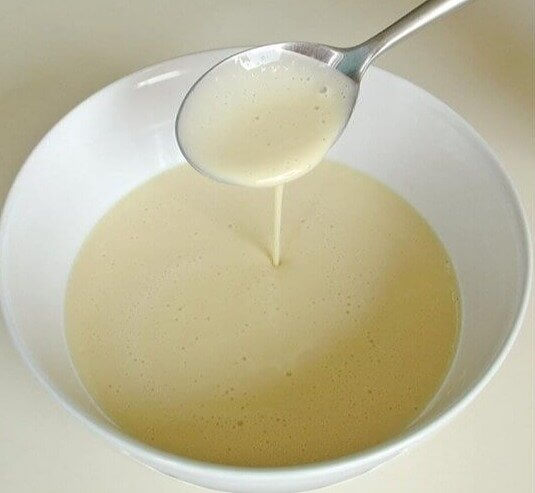
It creates a distinctly light mouthfeel that heavy, traditional recipes simply cannot replicate. This fizzy addition will make your Sunday morning breakfasts feel like a special occasion.
Poking Holes in a Sponge Cake To Pour In Jell-O and Create a Visually Beautiful Cake
The vibrant, psychedelic desserts of the 1970s often prioritized dramatic visual presentation alongside sugary, comforting flavors. The famous poke method involved baking a simple white sheet sponge, perforating the top with the round handle of a wooden spoon, and pouring liquid gelatin over the surface. As the brightly colored syrup seeped down into the tunnels, it created beautiful stained-glass stripes and infused every single bite with fruity moisture. Once chilled and topped with whipped cream, the resulting treat was refreshingly cold, visually striking, and completely impossible to mess up.
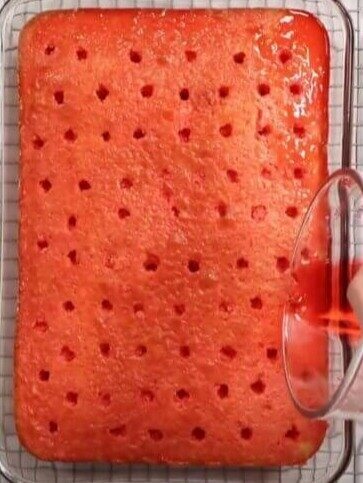
This incredibly fun, interactive recipe remains a nostalgic favorite for warm weather barbecues. It is a playful reminder that baking does not always have to be serious.
Pounding Raw Protein With a Heavy Metal Mallet to Break Down Dense Tissues for Easy Chewing
Transforming a tough, inexpensive cut of round steak into a delicate chicken-fried masterpiece requires a bit of physical exertion in the kitchen. Traditional cooks relied heavily on a heavy, spiked metal hammer to aggressively pound the raw protein flat on the cutting board. This percussive force physically breaks down the dense connective tissues and tough muscle fibers that make cheaper cuts so difficult to chew. Additionally, flattening the meat into a uniform thinness guarantees extremely fast, even cooking when it finally hits the sizzling frying pan.
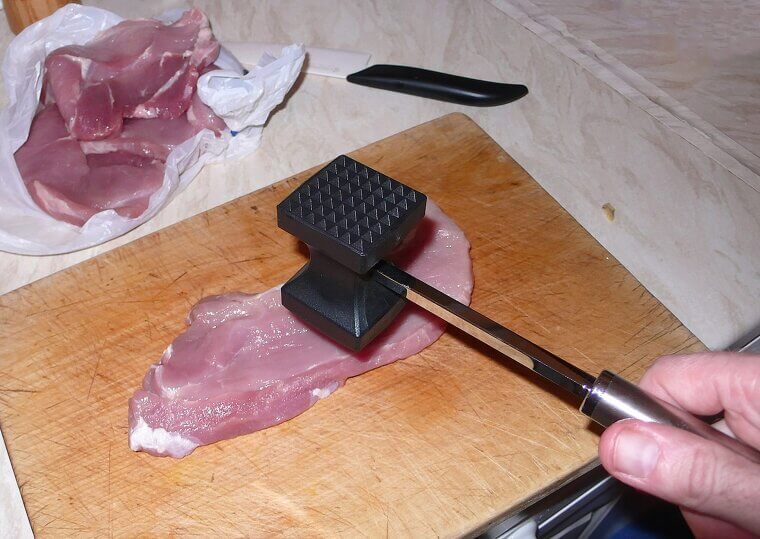
Getting out some pent-up frustration while preparing dinner is just an added bonus to this highly effective method. It is the mandatory first step for creating classic comfort foods like schnitzel.
Adding a Splash of Acidic Vinegar to Ice Water to Inhibit Gluten and Keep Pastry Delightfully Tender
Even the most experienced bakers sometimes struggle with pastry dough becoming tough and chewy after being rolled out on the counter. A legendary trick passed down in rural farming communities involved adding a splash of acidic white vinegar or apple cider vinegar to the ice water. The acid allegedly inhibits the formation of long gluten strands when the flour mixes with hydration, keeping the molecular structure delightfully short and tender.
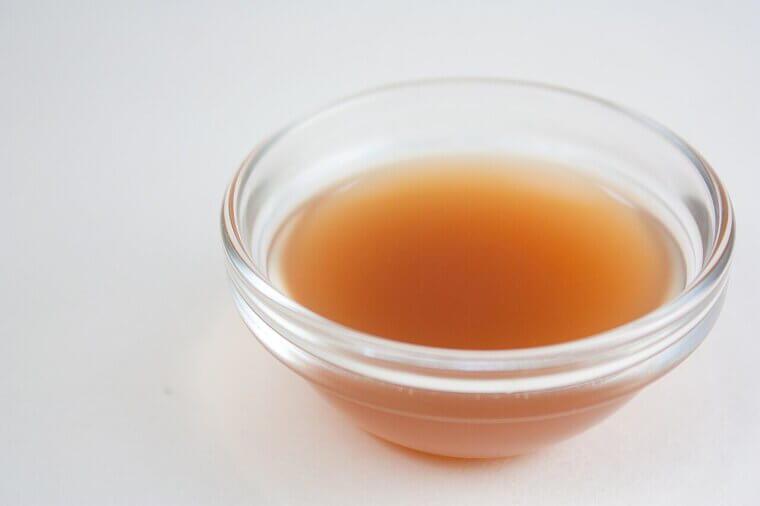
Furthermore, the sharp liquid evaporates exceptionally quickly in the hot oven, leaving absolutely no sour taste behind in the finished dessert. This simple pantry addition provides an excellent insurance policy against overworking your holiday dough. Your lattice-topped creations will shatter beautifully at the touch of a fork.