
We all spend countless hours cooking, but many of our favorite tools are being utilized wrong. From cheese graters to vegetable peelers, these simple adjustments will make your daily meal prep easier and better. Ready to upgrade your skills?
Cheese Grater: Lay It Flat Rather Than Standing It Upright
Most home cooks stand their box grater vertically on a cutting board, which often leads to scraped knuckles and a messy pile of cheddar that scatters everywhere. When you lay the gadget flat on its side, the shreds collect neatly inside the metal cavity as you work. This horizontal method gives you significantly more leverage over the food, making the task far less tiring for your arms and wrists during heavy prep sessions.
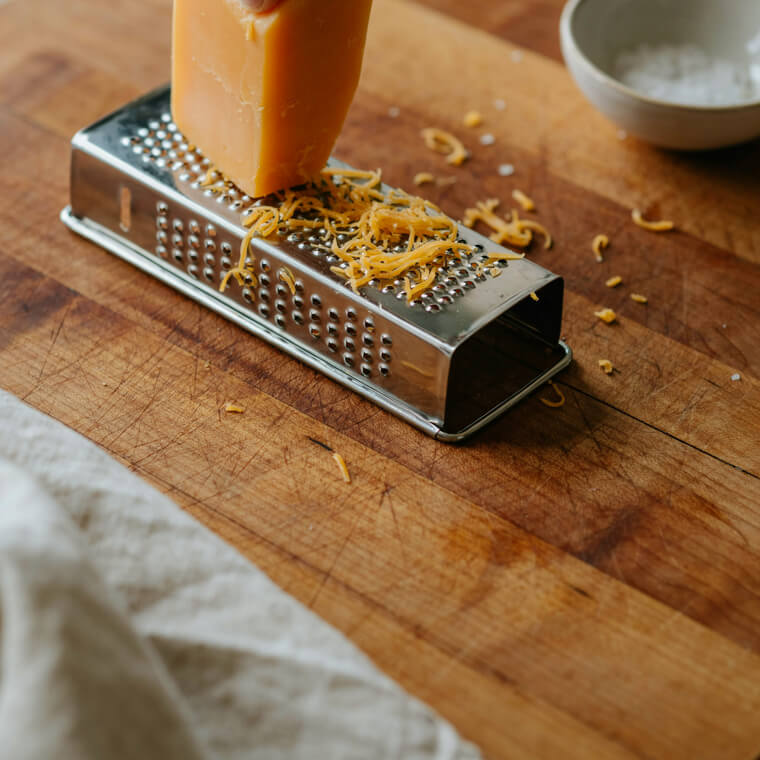
You can easily see exactly how much you have prepared without having to lift the tool off the counter. Once finished, simply empty the accumulated contents directly into your mixing bowl to avoid dropping pieces all over the floor.
Vegetable Peeler: Slide It Both Ways Instead Of Just Downward
The majority of people only drag their peeler downward across a carrot or potato and then lift it up to start the next stroke. These handy blades are actually designed to swivel, meaning they can cut in both directions without needing to be lifted. By pushing the blade up and then pulling it right back down, you effectively double your speed and reduce the physical effort required to prep your produce for dinner.
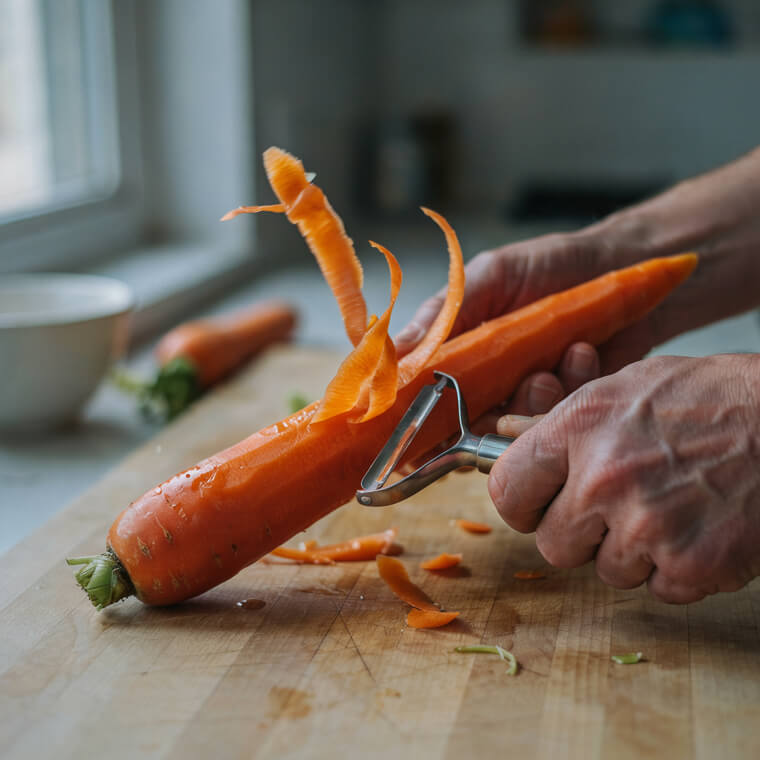
This bidirectional technique allegedly saves a massive amount of time when tackling large family meals like Thanksgiving dinner. Professional chefs rely on this specific motion to power through piles of root vegetables with remarkable efficiency and minimal wrist strain.
Can Opener: Lock It Horizontally Over The Top Rather Than Vertically
Instead of clamping the rotary blade onto the side lip and cranking it so the wheel cuts down into the lid, try placing the device flat across the top of the can. This horizontal alignment cuts through the outer seal rather than the inner metal, creating a lid with smooth edges that will not slice your fingers. It also prevents the dirty lid from falling down into your soup or beans once the seal is broken.
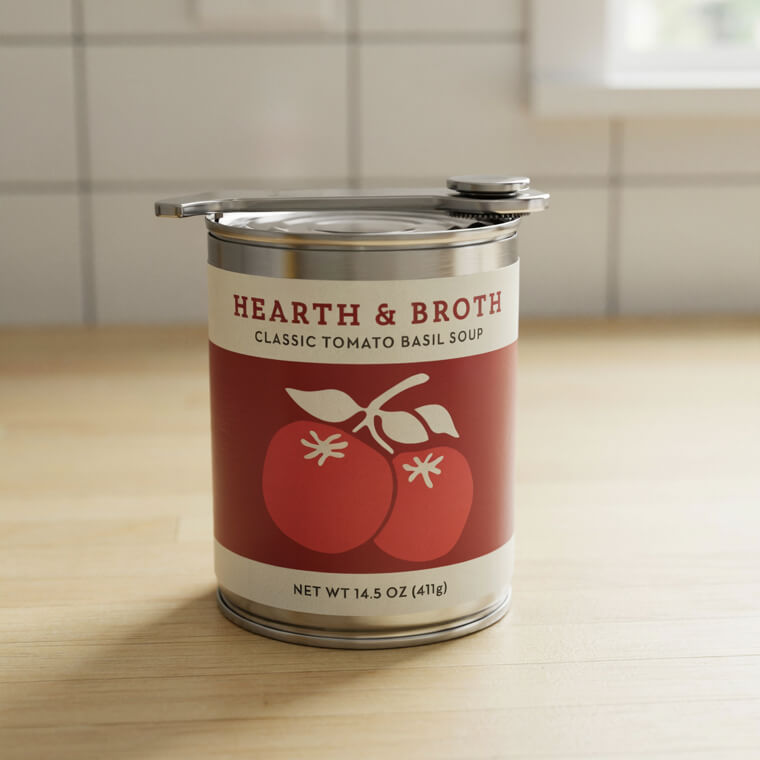
Removing the top this way means you can pop it right back on if you need to store leftovers in the fridge. This method reportedly keeps the cutting wheels cleaner since they never actually touch the food inside the container.
Wooden Spoon: Place It Across A Boiling Pot To Stop Spillovers
Watching a pot of pasta water foam up and overflow onto a clean stove is incredibly frustrating for any home chef. Simply resting a dry wooden spoon horizontally across the rim of the pot will pop the rising bubbles before they can spill over the edge. The porous material absorbs some of the moisture, and the temperature difference between the relatively cool wood and the boiling foam causes the bubbles to instantly collapse back down.
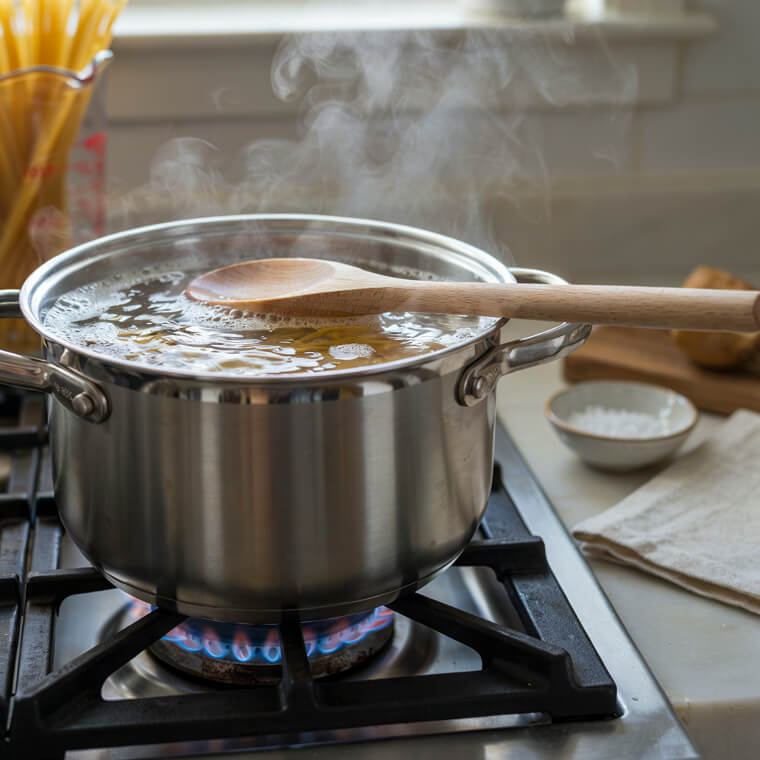
This trick gives you enough time to rush over and lower the heat before a major mess occurs on your burners. Remember to use a dry utensil, as moisture on the handle might allow the starchy water to keep climbing.
Garlic Press: Skip Peeling The Cloves Before Crushing Them
Removing the papery skin from individual garlic cloves is a tedious chore that leaves your fingers smelling pungent for days afterward. A high quality press is robust enough to push the fragrant meat of the garlic right through the tiny holes while leaving the empty skin trapped behind in the chamber. You simply drop the unpeeled clove directly into the basket, squeeze the handles firmly, and let the device do all the hard separation work.
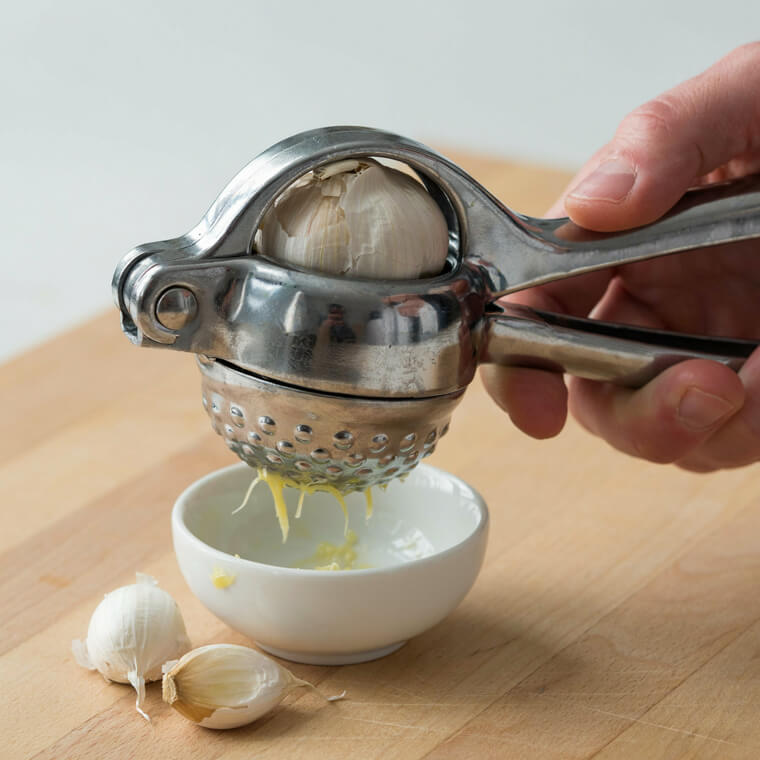
After extracting the flavorful bits, you can quickly pluck the intact skin out of the hopper and toss it in the trash. This streamlined process reportedly cuts your prep time in half when making heavily seasoned Italian dishes.
Colander: Rest It Inside The Pot Instead Of Pouring Water Out
The standard approach of dumping heavy pots of boiling water into a plastic strainer sitting in the sink is dangerous and heavy. A smarter strategy involves placing a slightly smaller colander directly into the cooking pot before you add your vegetables or pasta. When the food reaches the perfect texture, you just lift the strainer straight up by its handles, leaving all the hot liquid safely contained inside the original metal vessel on the stove.
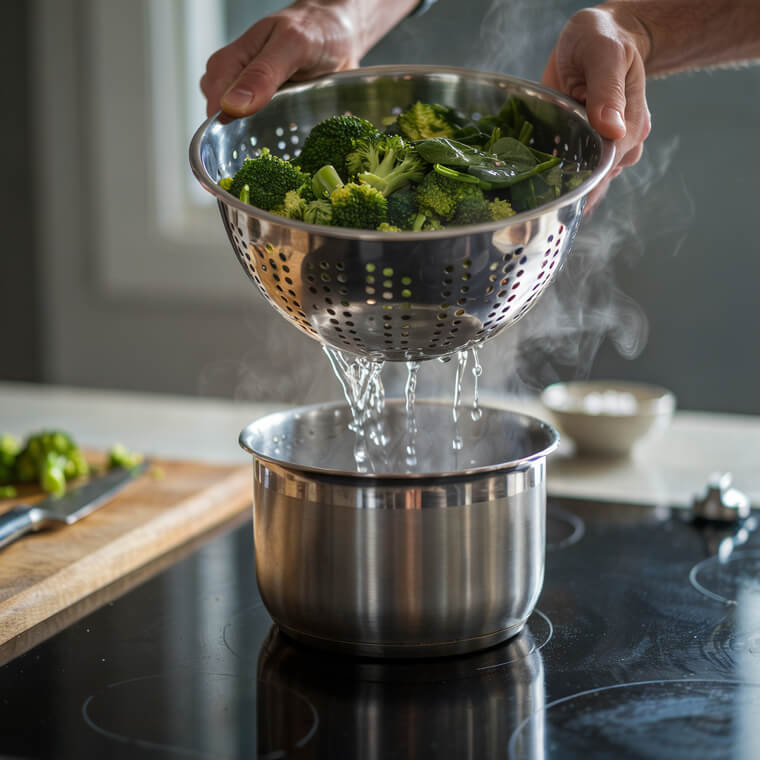
This reverse draining style allows you to easily save the starchy cooking water for thickening sauces later in the recipe. It also prevents delicate noodles from sticking together in a clump while resting in a cold kitchen sink.
French Press: Froth Milk For Lattes Rather Than Just Brewing Coffee
While this elegant glass pitcher is famous for steeping coarse coffee grounds, its mesh plunger is secretly the ultimate tool for creating coffeehouse beverages at home. Pour warm milk into the empty carafe and pump the handle vigorously up and down for about 30 seconds to introduce air into the liquid. The fine metal screen forces the milk to emulsify, generating a thick, velvety foam that rivals the expensive steam wands found in fancy cafes.
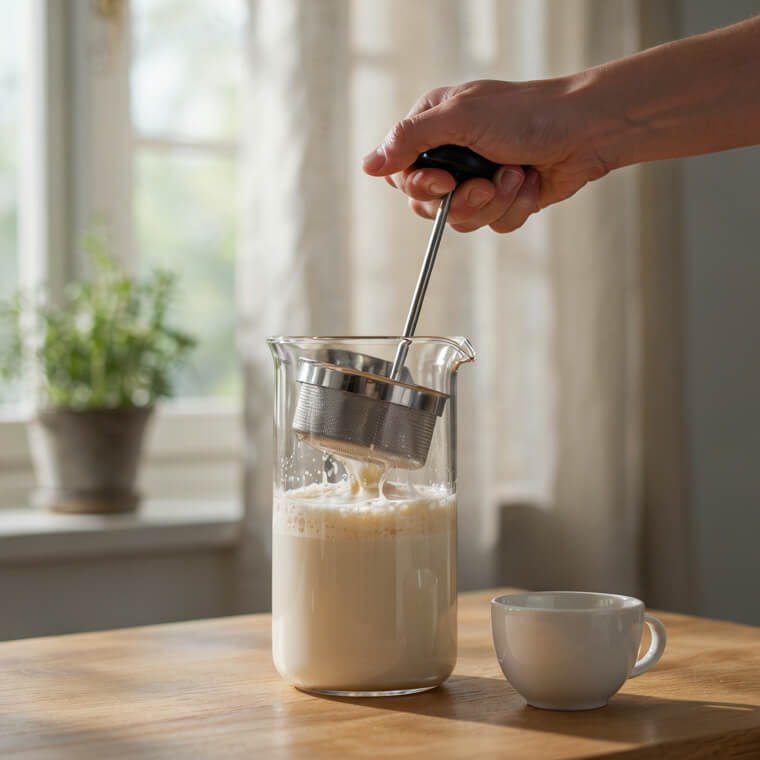
You can use this lush topping for cappuccinos or hot chocolate without needing to purchase an electronic frother that takes up extra space. The resulting microfoam stays stable for quite a while, allowing you to practice latte art.
Dishwasher Drawer: Utilize The Pre-Wash Compartment For Cleaner Plates
Most users casually toss a single pod into the main detergent cup and slam the machine shut without a second thought. However, that small open depression located right next to the main latch is designed for a pre-wash cycle that loosens stubborn food particles before the main wash begins. Adding a squirt of liquid soap or a small sprinkle of powder to this exterior section ensures your dishes are treated to soapy water from the very first splash.
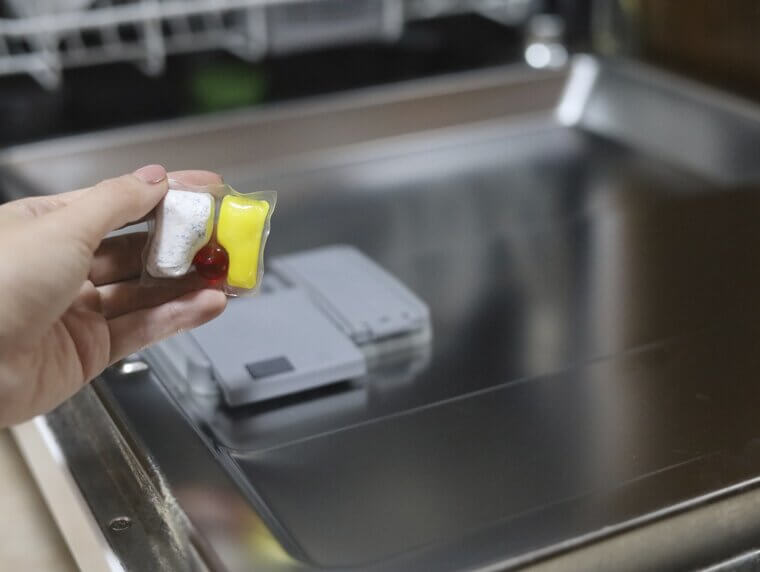
Using both sections reportedly guarantees sparkling glasses and plates, even if you skip rinsing them in the sink beforehand. Modern appliances rely on this dual delivery system to melt away hardened grease effectively.
Foil Box: Push The Side Tabs In To Secure The Cardboard Tube
Wrestling with a runaway roll of aluminum foil that keeps flying out of its cardboard packaging is an annoying kitchen phenomenon. If you examine the narrow ends of the box closely, you will notice small triangular tabs with instructions to push them inward. Punching these perforated pieces down creates a makeshift lock that inserts into the hollow core of the paper tube, securing the entire roll firmly in place while you dispense the metallic sheet.
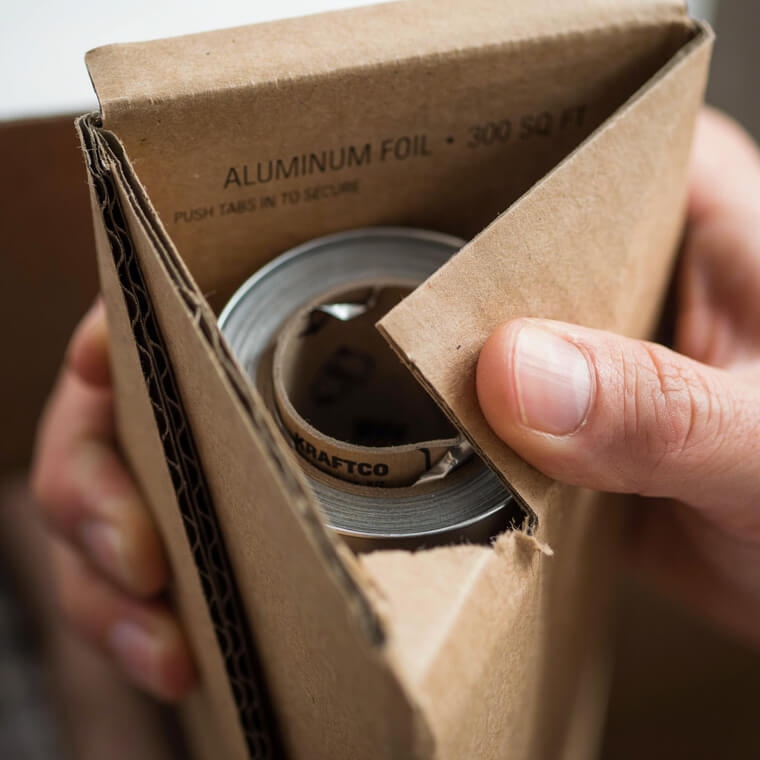
This hidden feature prevents the heavy cylinder from crashing onto your countertop when you try to rip off a piece with one hand. Almost every brand of plastic wrap and baking parchment includes this brilliant stabilizing design.
Microwave Plate: Arrange Food In A Ring Instead Of A Pile
Dumping cold leftovers into a massive mound in the center of a ceramic dish guarantees the middle will remain freezing cold while the edges burn. Microwaves function by sending waves that penetrate the outer layers of the food, meaning the exterior heats up much faster than the dense interior. By spreading your meal into a wide circle with an empty space in the exact middle, you maximize the surface area exposed to the heating energy.
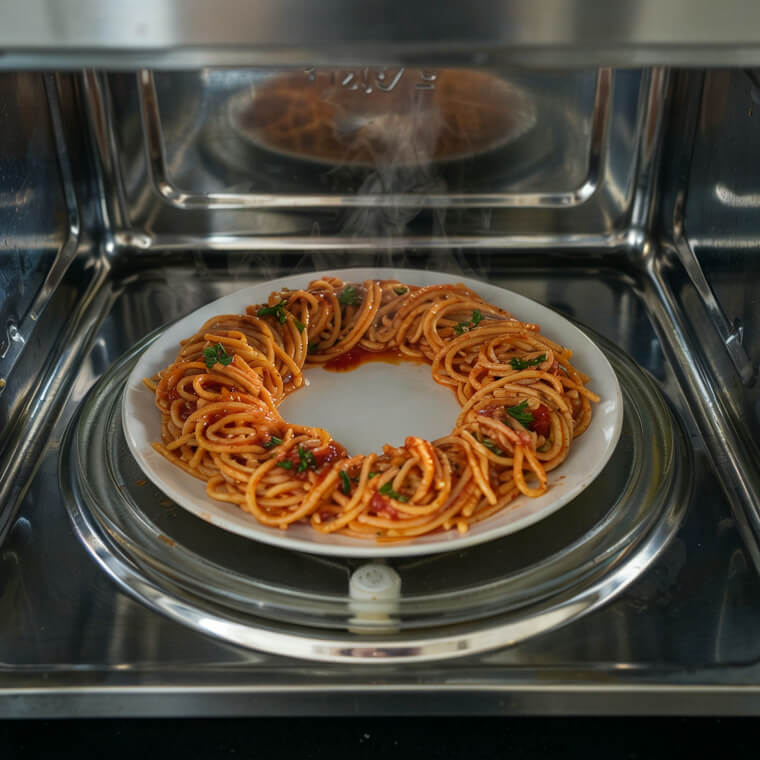
This donut shape allows everything to warm evenly and quickly without requiring you to constantly pause the machine and stir the contents. You will allegedly never have to suffer through a lukewarm bite of yesterday's casserole again.
Blender: Load Liquids First Before Adding Hard Ingredients
Tossing frozen strawberries and huge ice cubes down near the blades before pouring in juice is a surefire way to stall the motor. The spinning metal arms need liquid to create a vortex that pulls the solid items downward for a smooth puree. Always pour your water, milk, or yogurt into the empty pitcher first, followed by softer greens, and finally cap it off with the heaviest frozen items resting at the very top.
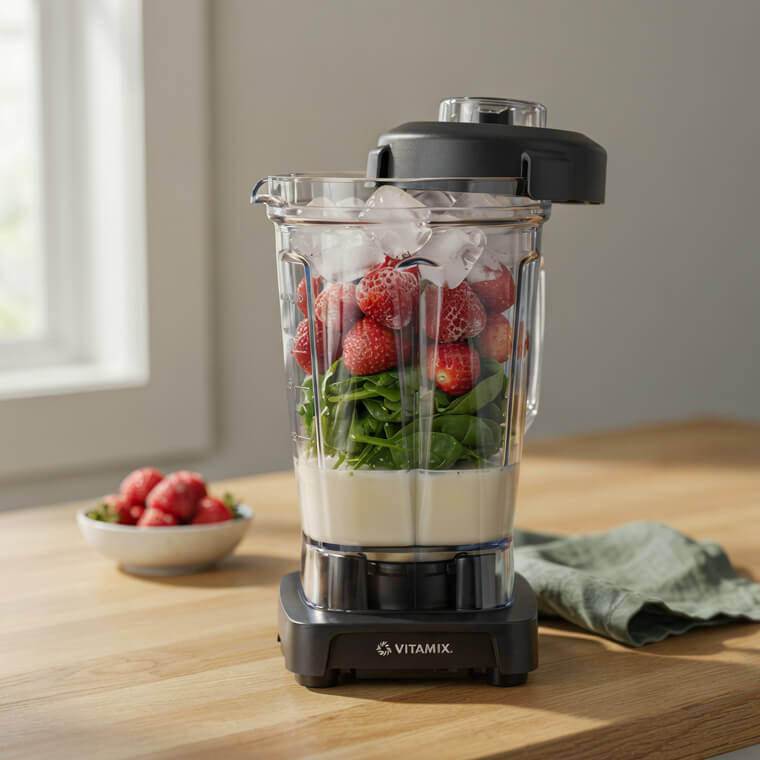
Gravity will push the dense ingredients down into the spinning liquid base, resulting in a perfectly blended smoothie without any annoying chunks. This proper loading order reportedly extends the lifespan of your appliance by reducing friction.
Stand Mixer: Adjust The Beater Height To Clear The Bowl Bottom
Many bakers suffer through recipes where butter and sugar remain stubbornly unmixed at the very bottom of their expensive metal bowls. This happens because the factory setting on the paddle attachment often leaves too much space between the metal head and the glass base. You can easily fix this by tilting the head back and using a flathead screwdriver to turn the small adjustment screw, lowering the beater until it barely clears the bottom without scraping.
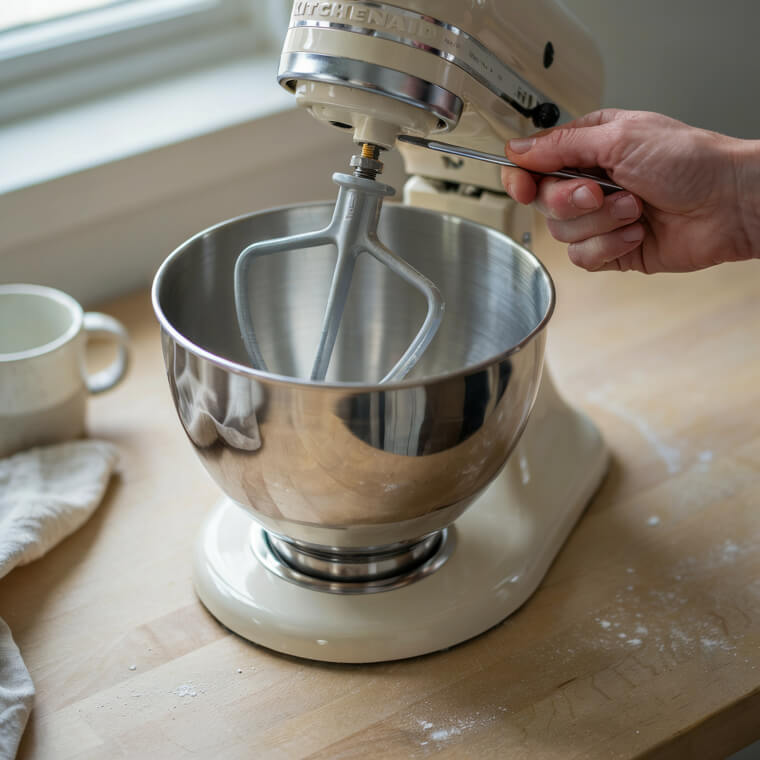
A properly calibrated machine will incorporate every last speck of flour, eliminating the need to constantly scrape down the sides with a rubber spatula. This tiny tweak drastically improves the texture of your homemade cookie dough.
Citrus Juicer: Slice The Ends Off Lemons For A Flatter Fit
Cutting a lime in half and shoving it into a handheld squeezer often results in a lopsided mess that squirts juice directly into your eyes. The rounded end of the citrus fruit prevents it from sitting flush against the curved metal pressing mechanism, causing it to slip sideways under pressure. Trimming a small slice off the pointy end before placing it face down in the bowl creates a stable, flat surface that compresses evenly.
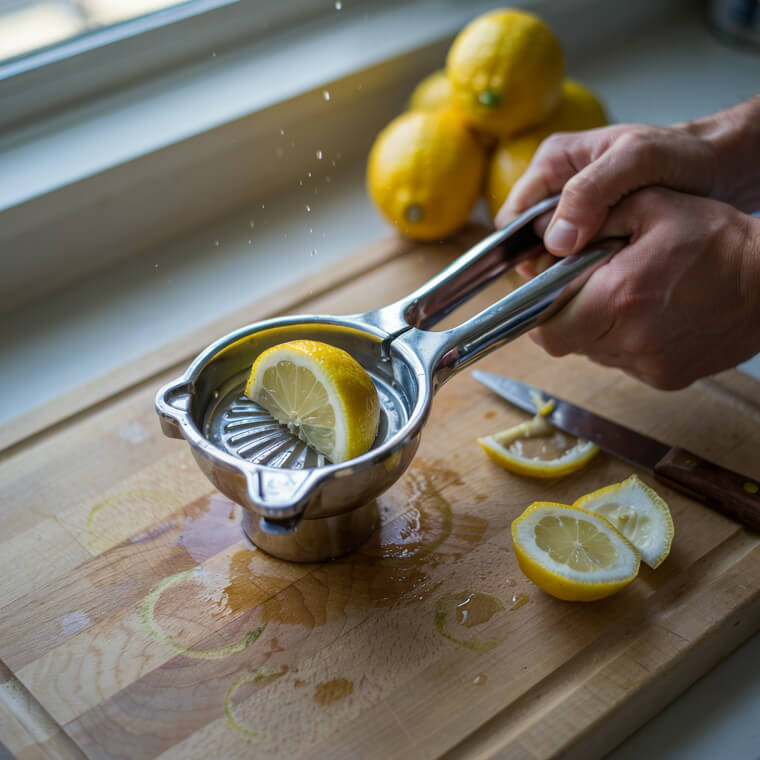
This simple knife trick forces the juice straight down through the drainage holes instead of shooting it out the sides. You will extract significantly more liquid from each piece of fruit with much less physical exertion.
Apple Slicer: Push From The Bottom Up For Better Stability
Forcing a segmented metal corer down through the stem of a wobbly apple is a precarious balancing act that can easily result in a slipped blade. The top of the fruit is naturally uneven, making it difficult to get the blades perfectly centered before applying downward force. Flipping the apple upside down so it rests on its broader, flatter shoulders provides a much more secure base against the cutting board while you press the handles.
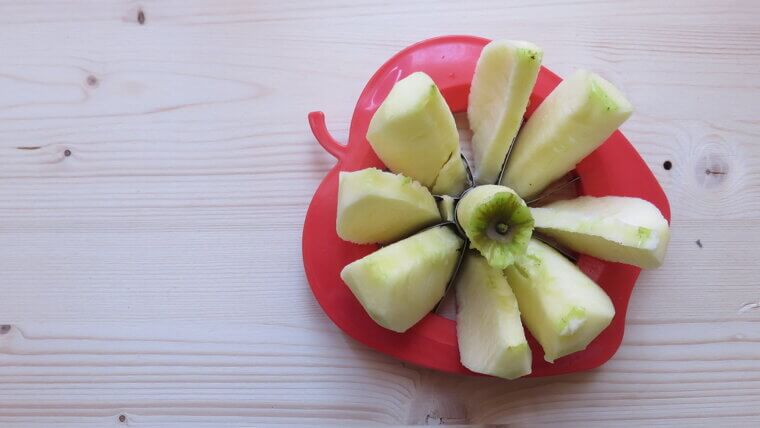
Starting from the bottom ensures the core stays perfectly aligned inside the center ring the entire way through the fruit. It allegedly reduces the chances of the device sliding off kilter and ruining the even slices.
Potato Masher: Utilize It To Break Up Ground Beef In skillets
Using a wooden spoon to chop a block of raw ground meat into tiny pieces while it browns is a tedious and uneven process. A sturdy metal masher with a grid pattern is the perfect heavy duty tool for separating beef, turkey, or pork into uniform crumbles in a hot pan. You simply press the tool down into the meat repeatedly, and the wide surface area forces the clumps apart much faster than a standard spatula.
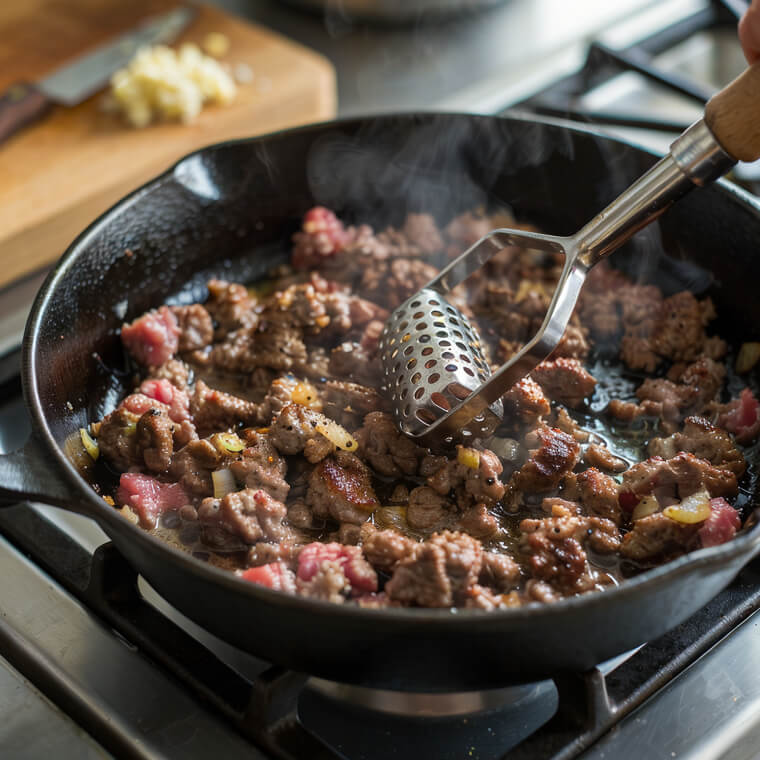
This technique ensures your chili or taco filling has a perfectly consistent texture without any massive chunks of unseasoned meat. The device is also excellent for crushing tomatoes into a rustic pasta sauce right on the stove.
Ice Cream Scoop: Run It Under Warm Water To Cut Through Hard Pints
Bending a spoon while trying to dig out a rock solid serving of vanilla bean is a classic dessert tragedy. Instead of waiting 20 minutes for the carton to thaw on the counter, just hold your metal scooper under a stream of hot tap water for a few seconds. The heated metal glides through frozen treats like butter, allowing you to carve out perfect spheres without straining your wrist or waiting for the dessert to melt.
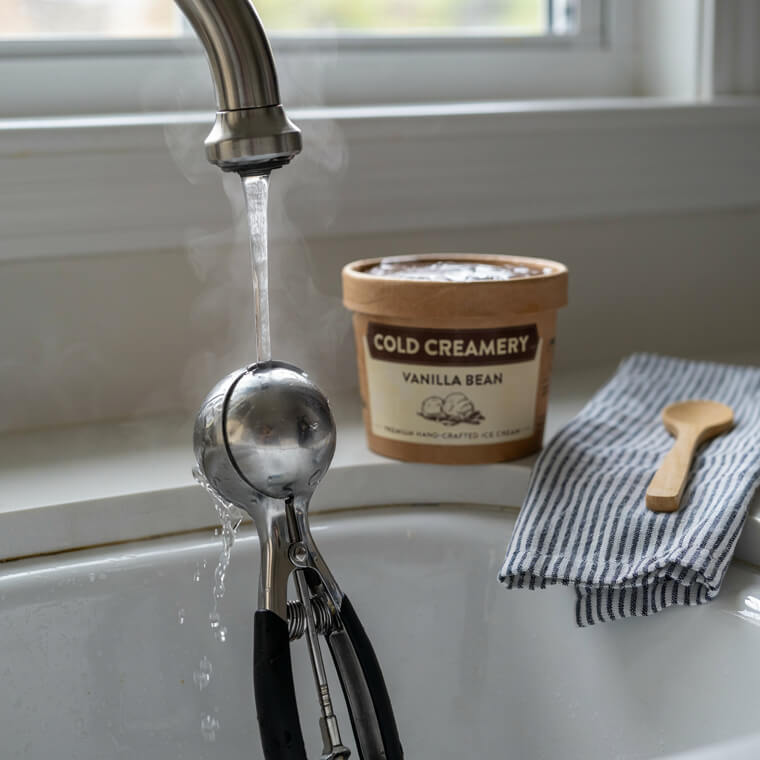
Wiping the warmed tool with a dry towel before dipping prevents ice crystals from forming on the remaining food in the tub. This trick also works beautifully for portioning out dense, chilled cookie dough onto baking sheets.
Kitchen Tongs: Tap Them Against Your Hip To Unlock The Mechanism
Using two hands to pull the tiny metal tab at the top of your tongs is highly inconvenient when you are simultaneously holding a hot pan. Most modern locking models are designed to slide open with a quick application of gravity and a gentle bump. Pointing the tongs downward and lightly tapping the back end against your hip or the counter will usually pop the locking mechanism open in a single fluid motion.
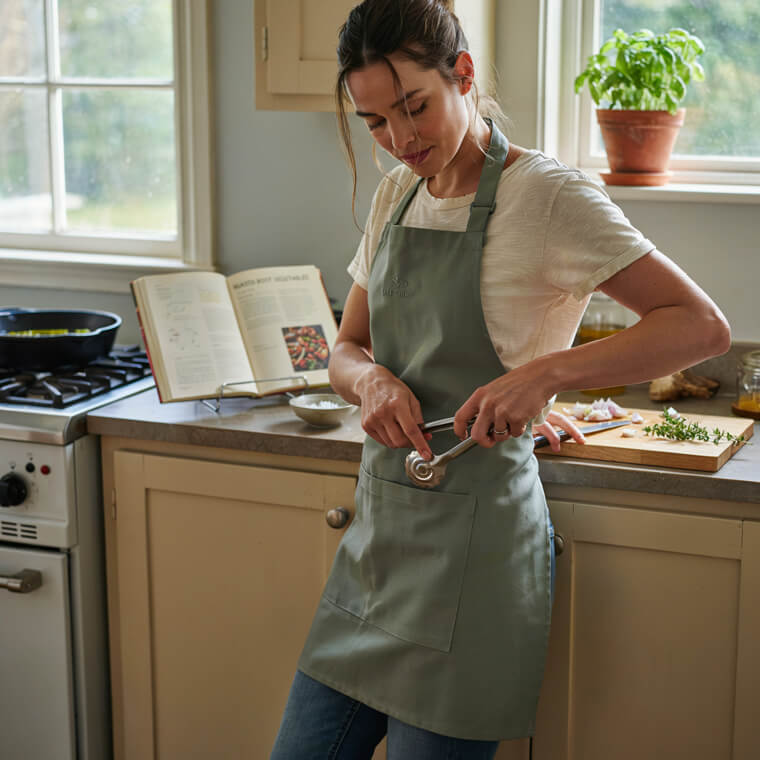
Mastering this one handed technique makes you look like a seasoned line cook and keeps your focus on the sizzling food. Pointing them straight up and tapping the base will conveniently lock them closed again for easy drawer storage.
Fish Spatula: Deploy It For Flipping Everything Not Just Seafood
Reserving this specialized slotted flipper solely for delicate trout or salmon means you are missing out on its incredible versatility for everyday cooking. The angled edge and flexible thin blade make it superior to thick plastic spatulas for sliding under fragile fried eggs, heavy burgers, or gooey grilled cheese sandwiches. The wide slots allow excess grease to drain away quickly, while the curved front perfectly hugs the rounded edges of your favorite carbon steel skillet.
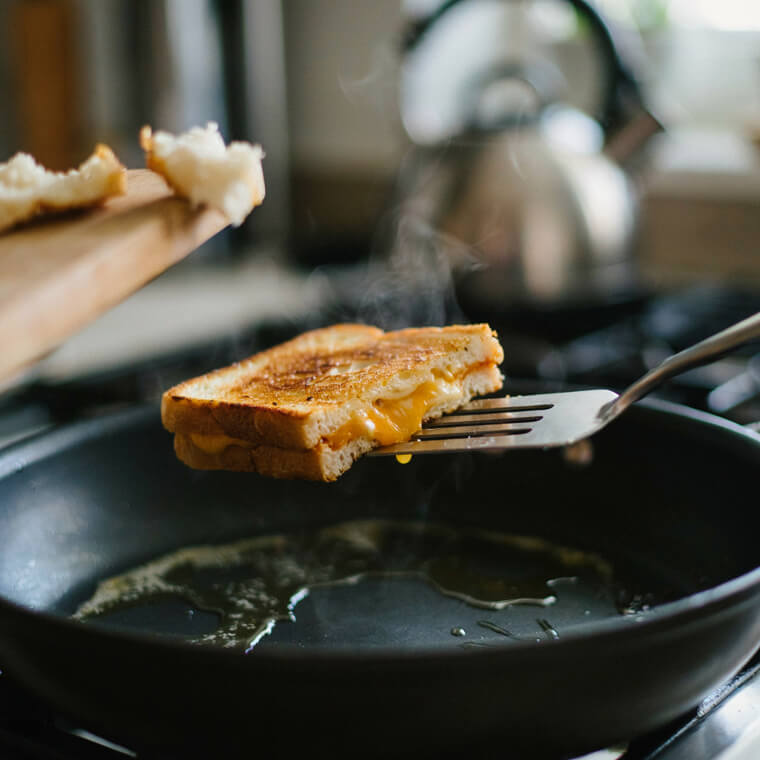
Many culinary experts argue this should be the only turner you own because it slips under food with zero resistance. The sharp metal front is even sturdy enough to scrape fond off the bottom of a roasting pan.
Meat Thermometer: Insert It Sideways Into Thin Cuts Like Chicken Breasts
Poking a temperature probe straight down into a thin steak often means the sensitive tip hits the hot metal pan underneath, giving a wildly inaccurate reading. The sensor needs to rest in the exact center of the meat to guarantee it is safely cooked without becoming dry and tough. Sliding the metal pin horizontally through the side of the cut ensures the probe is fully submerged in the flesh, providing a perfectly reliable temperature measurement.
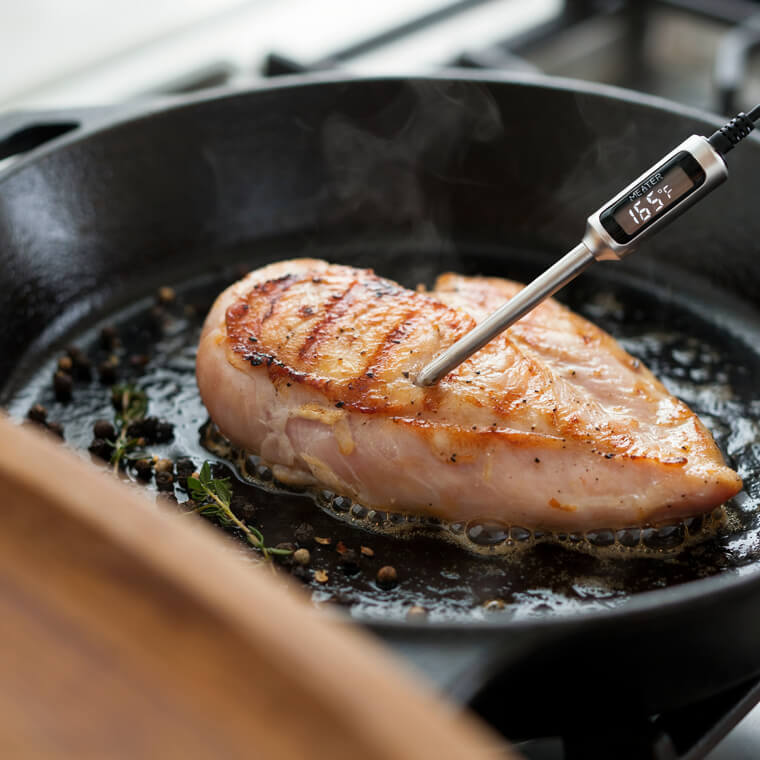
This lateral approach prevents you from overcooking delicate proteins out of fear they are underdone. It reportedly gives you the confidence to serve incredibly juicy pork chops that reach exactly 145 degrees internally.
Oven Drawer: Use It to Keep Food Warm Instead Of Storing Baking Sheets
Millions of households cram that awkward sliding compartment underneath their stove full of rusty muffin tins and spare cooling racks. However, many manufacturers originally designed that space to function as a warming drawer for holding completed dishes at a safe temperature while the rest of the meal finishes cooking above. The residual heat from the main oven radiates downward, creating a cozy environment that keeps mashed potatoes piping hot without drying them out.
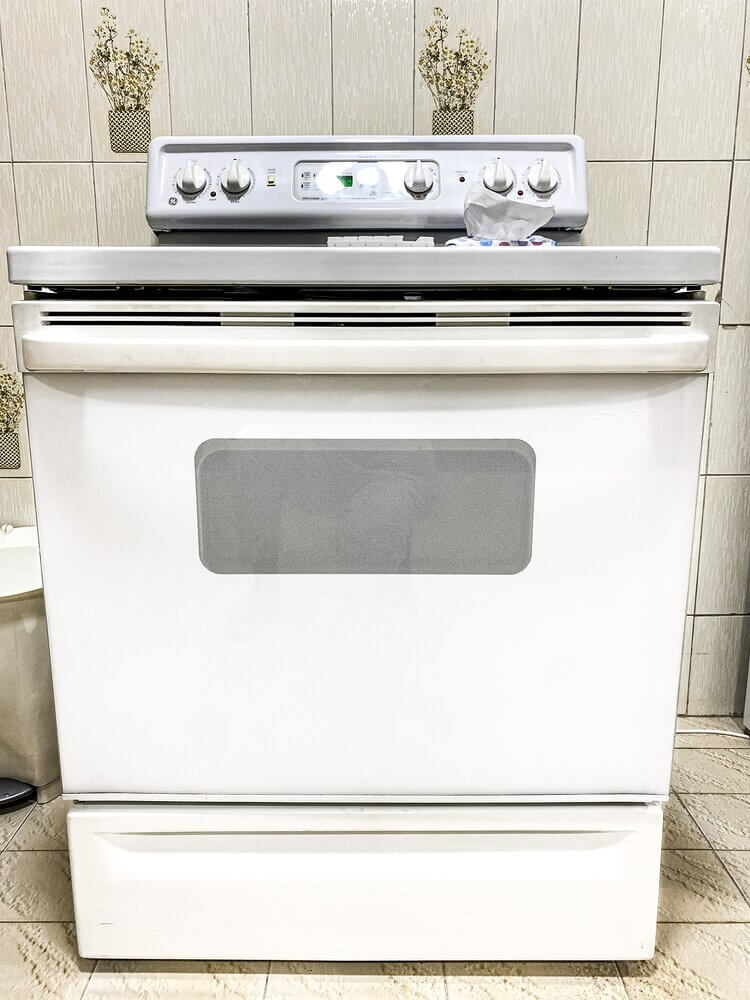
Check your appliance manual, as utilizing this feature allegedly relieves immense stress when timing a large holiday banquet. Just make sure to remove any plastic or wooden items before you turn up the heat.
Pasta Spoon: Measure One Serving Of Spaghetti With The Center Hole
Those large plastic forks with a curious circular opening in the middle are not just designed to drain water from your fettuccine. That specific hole is traditionally sized to measure exactly one standard serving of dry long pasta before you drop it into the boiling pot. Pushing a bundle of hard noodles through the gap until it is completely filled guarantees you will not accidentally cook enough food to feed a small army.
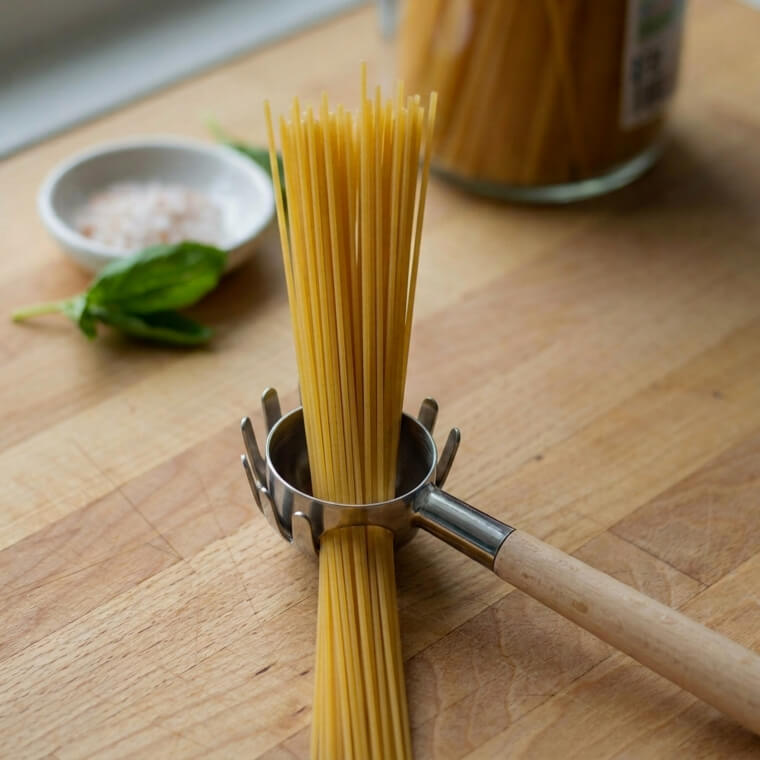
This built in portion control helps minimize food waste and keeps your dietary goals on track. It is a surprisingly brilliant piece of industrial design hidden in plain sight inside your cluttered utensil crock.
Microplane: Hold It Upside Down To Catch The Zest Safely
Scraping a lemon across the top of a rasp grater while it hovers over a bowl usually results in flavorful oils spraying everywhere except into your recipe. Flipping the long metal tool over so the sharp teeth face upward allows you to run the fruit along the bottom side. As you grate, the fluffy yellow zest gathers neatly in the hollow metal channel, allowing you to visually measure the exact amount you have accumulated.
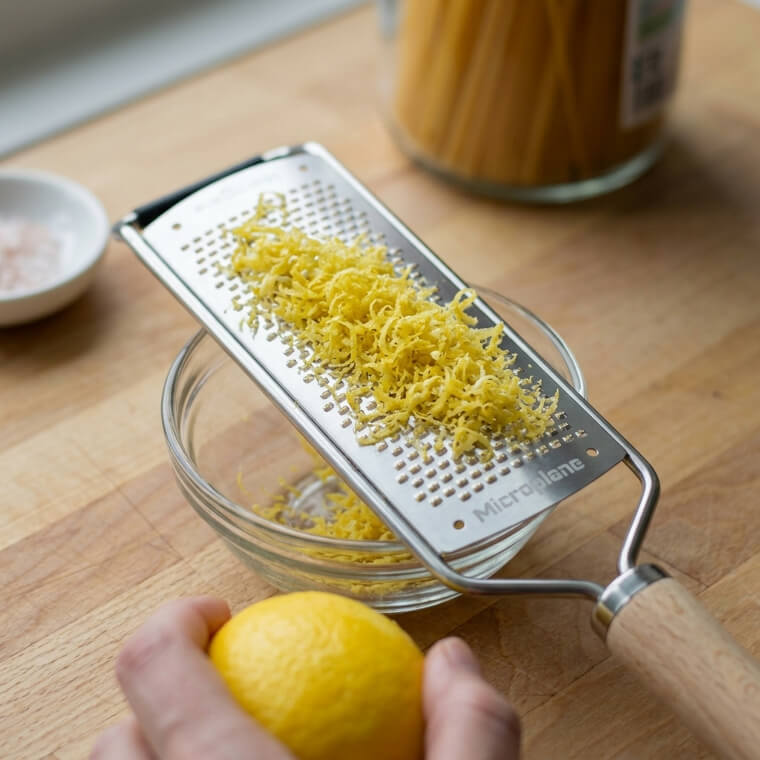
Once you have enough, you can easily tap the collected pile directly into your batter without losing any precious flavor to the cutting board. This inverted method also allegedly keeps your fingertips safely away from the razor sharp edges.
Box Grater Slicer: Shave Cold Butter For Flaky Pastry Crusts
The single wide blade on the side of your four-way grater is generally ignored because it produces wildly uneven cucumber slices. However, this large opening is absolutely brilliant for shaving frozen or very cold blocks of butter into thin, manageable ribbons. When you are making pie dough or biscuits, incorporating these chilled slivers by hand is far easier than trying to cut up a rock hard brick with a dull pastry blender.
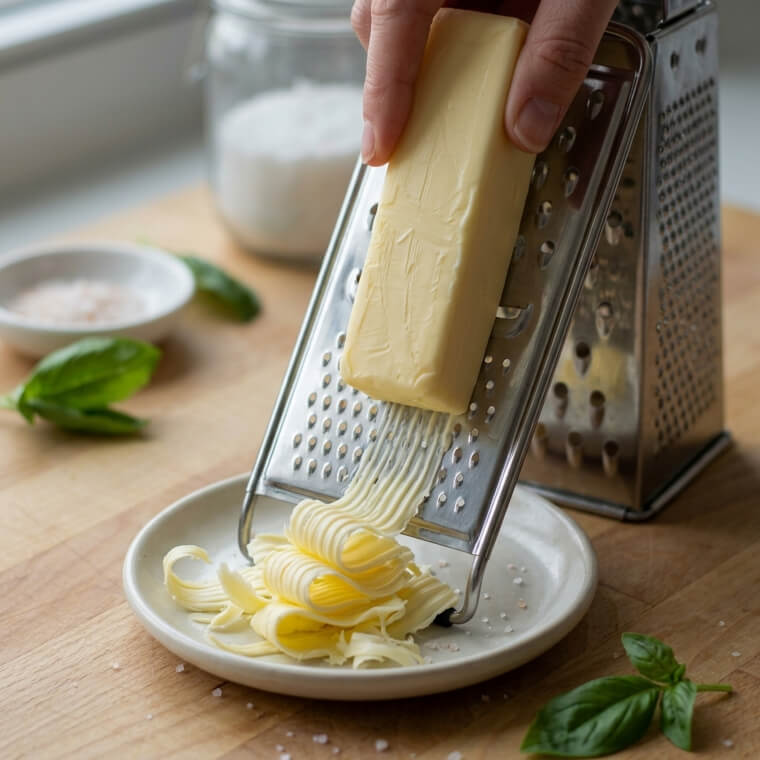
The wide ribbons mix effortlessly into the flour, melting during the baking process to create incredibly tender and flaky layers. This neat trick saves your hands from cramping up during intense holiday baking marathons.
Cast Iron Skillet: Wash With Mild Soap And Dry It Immediately
A persistent culinary myth claims that a single drop of dish detergent will completely destroy the nonstick seasoning on a heavy black skillet. In reality, modern liquid soaps are gentle enough to remove surface grease without eating away the polymerized oil layer that protects the metal. You can safely scrub your pan with a soapy sponge, provided you rinse it thoroughly and immediately place it back on a warm burner to evaporate all lingering moisture.
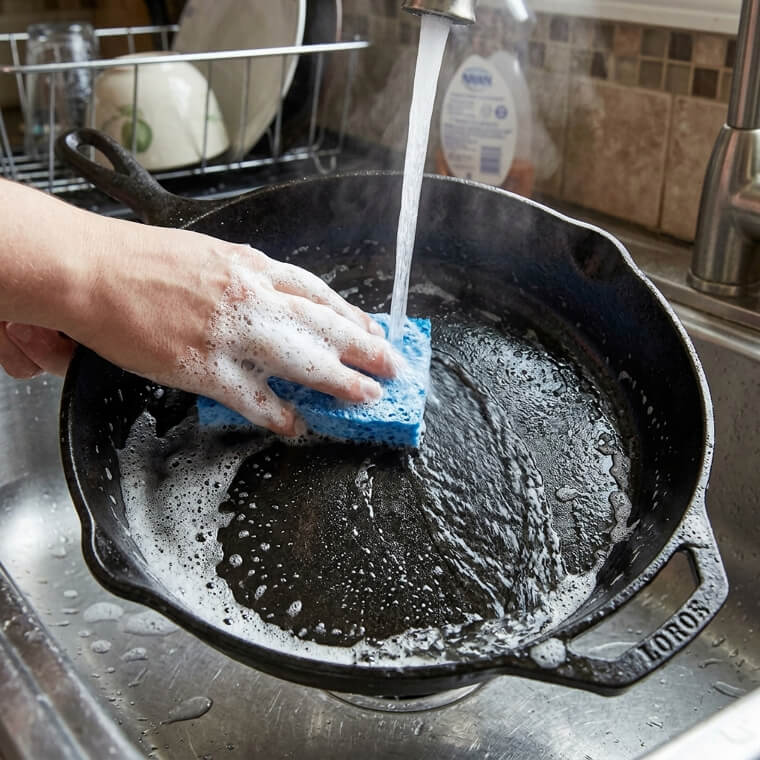
Once the iron is completely dry, wiping a tiny drop of fresh oil over the surface keeps it protected from rust. Regularly cleaning it this way prevents rancid flavors from building up and ruining your next meal.
Wok: Preheat The Metal Until Smoking Before Pouring In Oil
Adding oil to a cold wok and letting them heat up together causes ingredients to stick fiercely to the bottom and steam instead of sear. To achieve that signature restaurant quality flavor, you must let the dry pan sit on high heat until wisps of white smoke begin to rise from the surface. Only then should you swirl a spoonful of high heat cooking fat around the edges, instantly creating a slick, nonstick barrier.
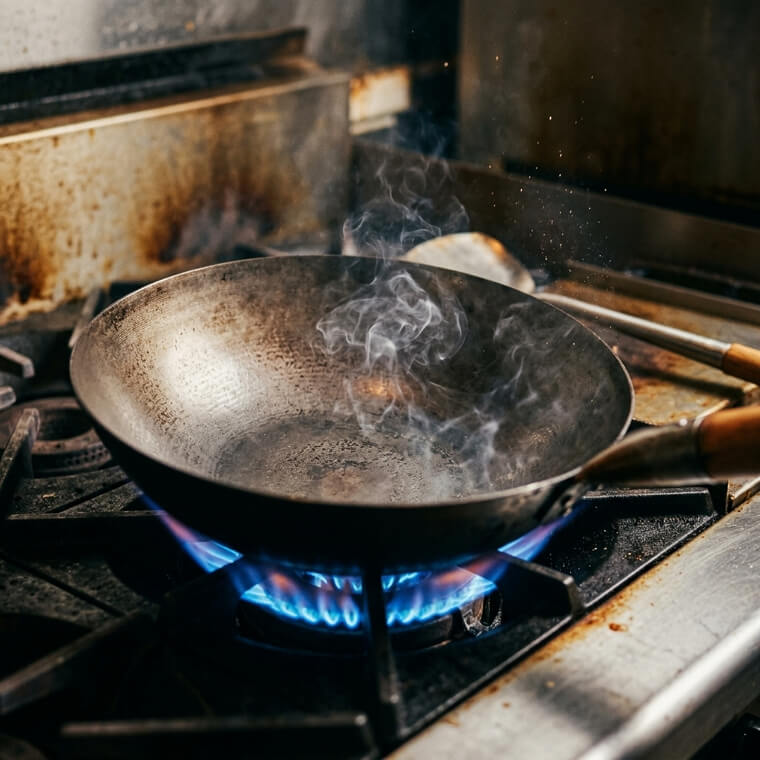
Tossing your aromatics in right after the oil guarantees a sizzling reaction that locks in flavor and texture. This authentic technique prevents your stir fry from turning into a sad, soggy pile of vegetables.
Pizza Wheel: Chop Herbs And Slice Quesadillas Effortlessly
Reserving your rolling cutter for a monthly pizza night is a waste of a incredibly sharp and efficient rotary blade. The smooth rolling motion is perfect for quickly mincing a large bunch of fresh parsley or cilantro without bruising the delicate leaves. You can just run the wheel back and forth over the herbs a few times to achieve a fine chop in a fraction of the time it takes to use a chef knife.
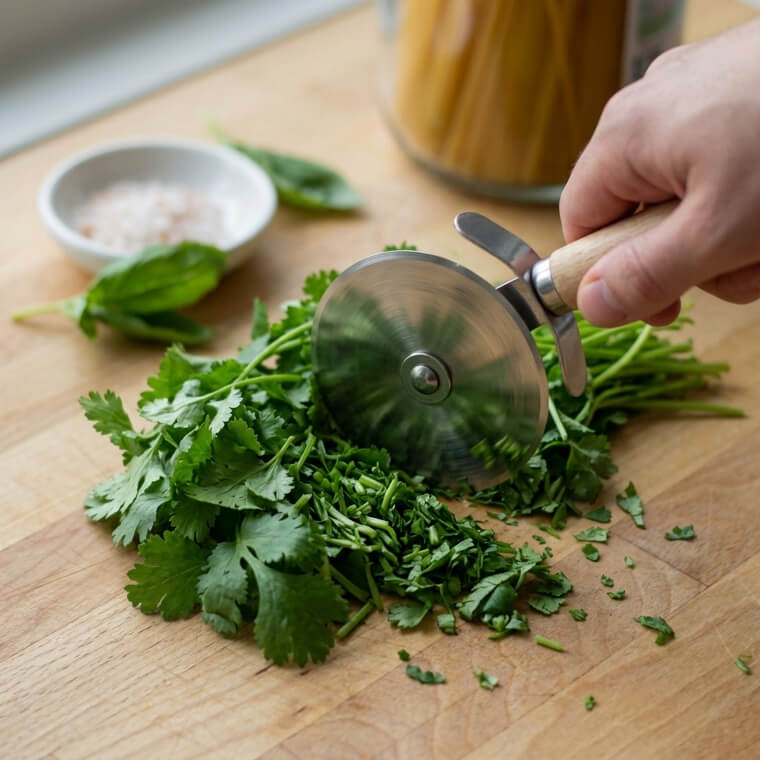
It is also the absolute best tool for portioning out flatbreads, cutting uniform strips of pastry dough, and slicing through gooey quesadillas. The continuous cut prevents fillings from being dragged out of the tortilla.
Rolling Pin: Chill It In The Freezer Before Rolling Pastry Dough
Working with butter heavy doughs in a warm kitchen often results in a sticky mess that clings tenaciously to your wooden or marble roller. Heat from your hands and the surrounding air melts the fat, causing the dough to tear and lose its structural integrity. Sticking your rolling pin in the freezer for 30 minutes before you start baking lowers its core temperature, allowing it to glide over the dough while keeping the butter perfectly solid.
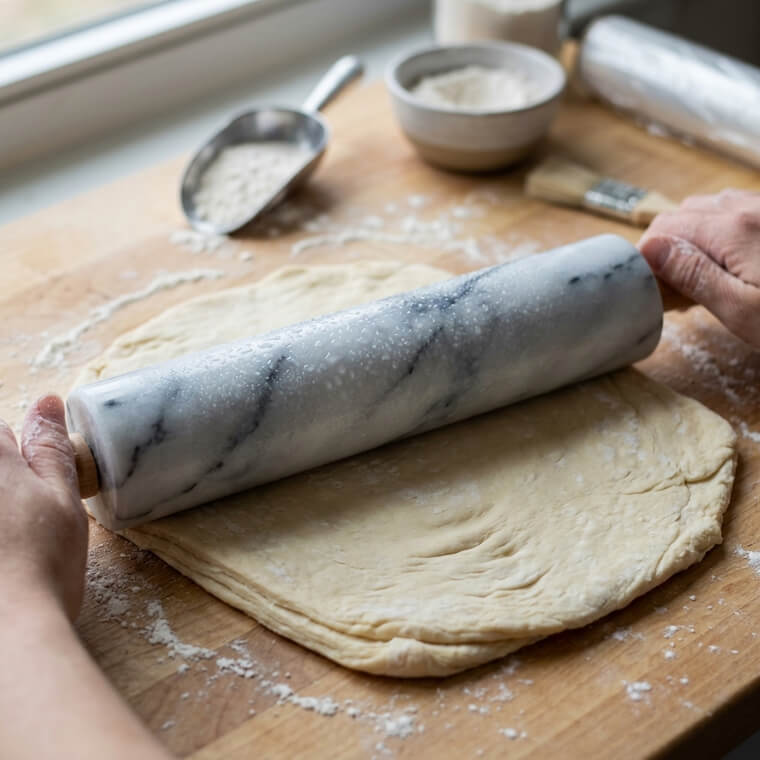
A cold tool requires significantly less dusting flour, which prevents your final pie crust from becoming tough and overly dry. It reportedly makes handling delicate laminations like croissants remarkably less stressful.
Mesh Sieve: Dust Powdered Sugar Or Sift Dry Ingredients Evenly
Using a spoon to sprinkle powdered sugar over a cake results in dense, unattractive clumps that ruin the presentation of your dessert. A fine mesh strainer acts as an impromptu sifter, breaking apart lumps and showering a delicate, even snow of sugar or cocoa powder over your treats. You can simply tap the side of the metal rim with your hand to control the flow and create a professional looking finish on brownies or waffles.
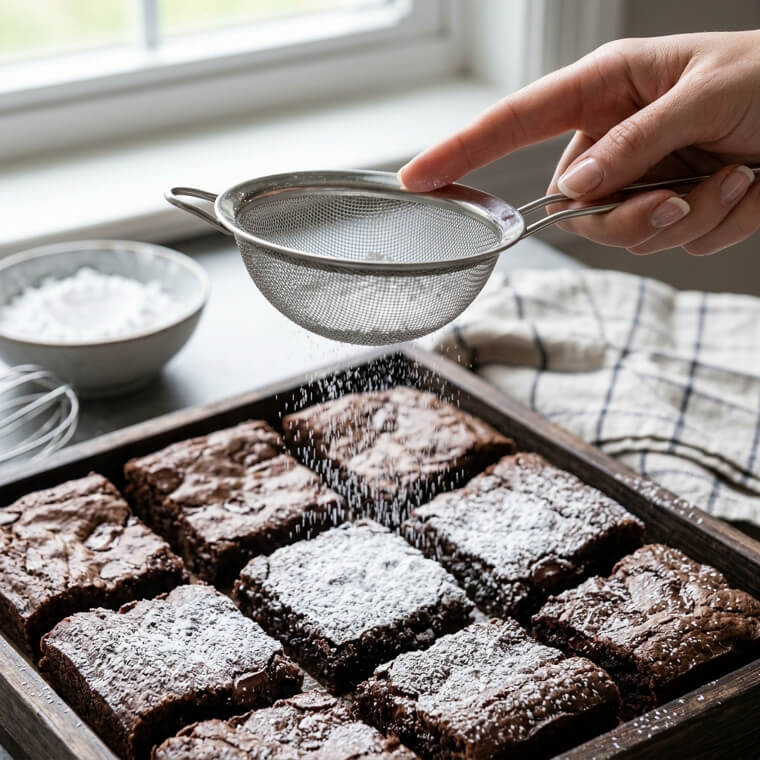
This multipurpose tool is equally effective for aerating flour and baking soda together before mixing them into a wet batter. It completely eliminates the need to buy a bulky, single purpose mechanical sifter that takes up drawer space.
Salad Spinner: Wash And Dry Delicate Berries Without Bruising Them
Most people only pull out this bulky plastic centrifuge when they need to dry wet lettuce leaves for a dinner salad. However, the gentle spinning basket is perfectly designed to clean and dry fragile summer fruits like strawberries and raspberries without crushing their soft flesh. You can soak the berries in the basket with water and a splash of vinegar, drain them, and then give them a very slow spin to remove excess moisture.
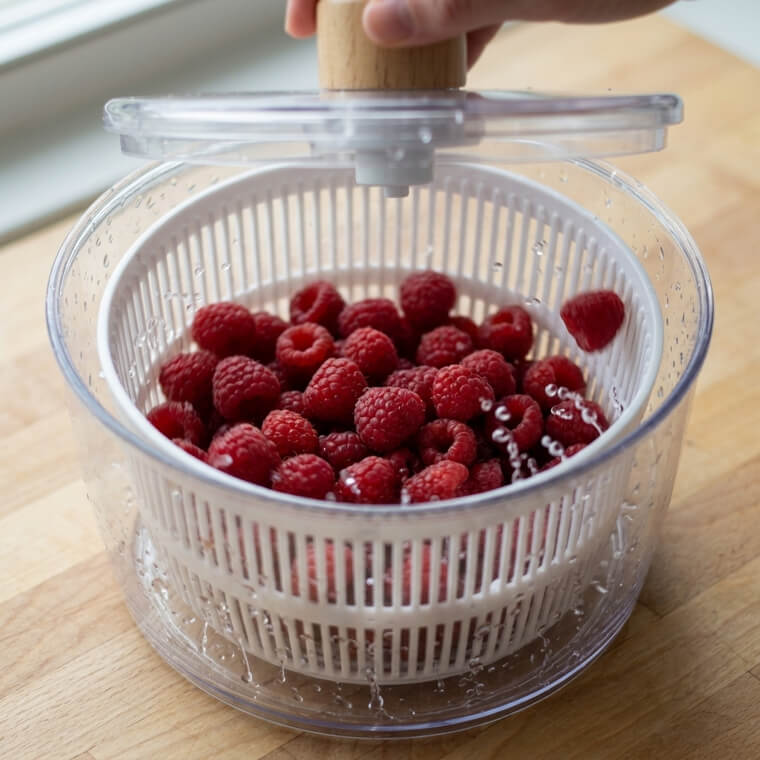
Drying fruit thoroughly before storing it in the refrigerator dramatically extends its lifespan and prevents mold from forming prematurely. This surprising alternative use finally justifies the massive amount of cabinet space the device requires.
Slow Cooker: Resist The Urge To Lift The Lid During Cooking
Constantly checking on your simmering stew to see how it smells is the fastest way to ruin a slow cooked meal. These appliances rely on trapped steam and a tightly sealed environment to maintain a consistent low heat over several hours. Every time you remove the heavy glass lid, you let all the accumulated heat escape, which reportedly adds up to 30 minutes to the total cooking time as the machine struggles to recover.
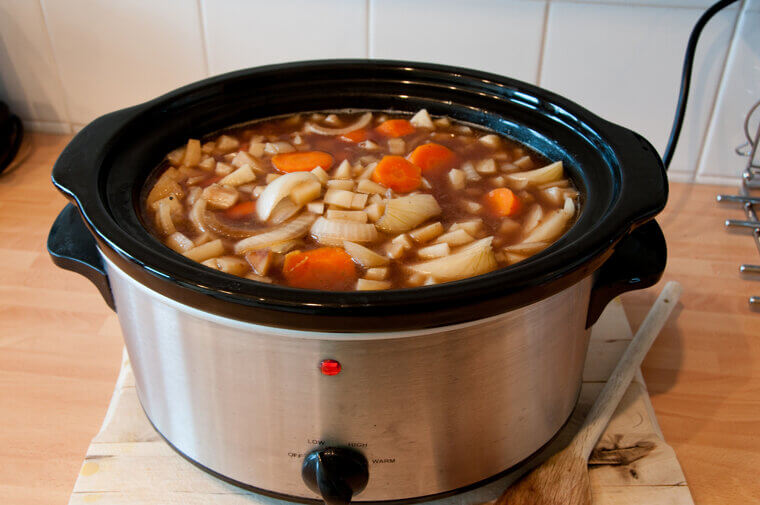
Trusting the process and leaving the top firmly in place ensures your tough cuts of beef will actually become tender on schedule. If you absolutely must stir the contents, do it as quickly as humanly possible.
Rice Cooker: Prepare Fluffy Oatmeal Or Giant Pancakes With Ease
Limiting this brilliant countertop steamer to plain white rice drastically underestimates its ability to regulate temperature and moisture perfectly. You can toss steel cut oats and milk into the pot before bed, set the timer, and wake up to a flawless, creamy breakfast that never burns on the bottom. Some adventurous home cooks even pour basic pancake batter directly into the nonstick bowl, yielding a massive, incredibly fluffy cake that feeds the entire family.
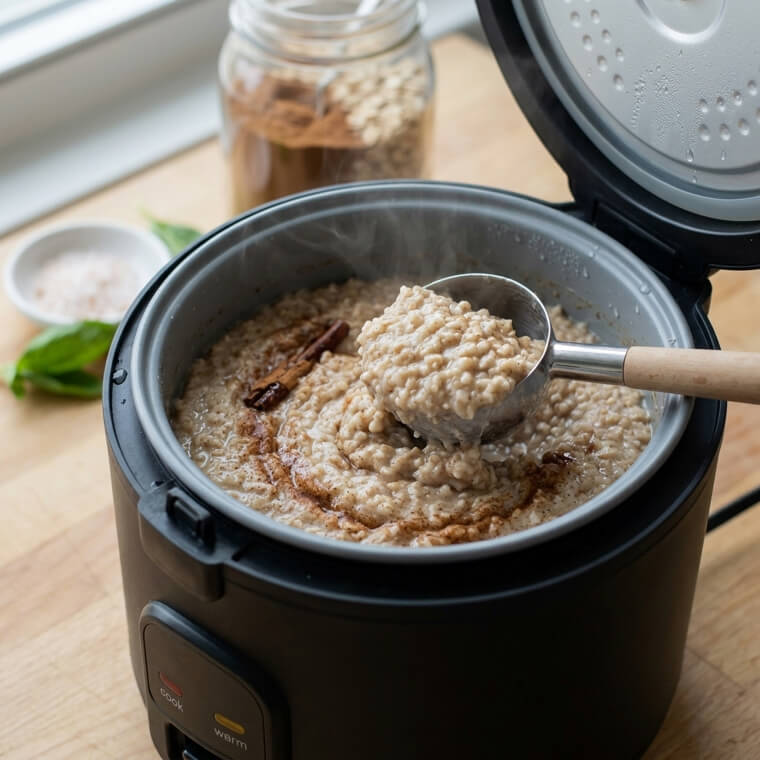
These smart machines adjust the heat automatically, preventing the scorched disasters that frequently happen when cooking on a stovetop. It is allegedly the most foolproof way to make complex grains like quinoa and farro.
Baking Sheet: Preheat The Pan In The Oven For Crispier Vegetables
Tossing room temperature broccoli onto a cold aluminum tray and putting it in the oven usually results in sad, steamed vegetables lacking any caramelization. If you place the empty baking sheet inside the oven while it preheats, the metal absorbs a tremendous amount of thermal energy. When you finally arrange your oiled and seasoned vegetables onto the hot surface, they immediately begin to sizzle and sear, locking in moisture and developing a beautiful brown crust.
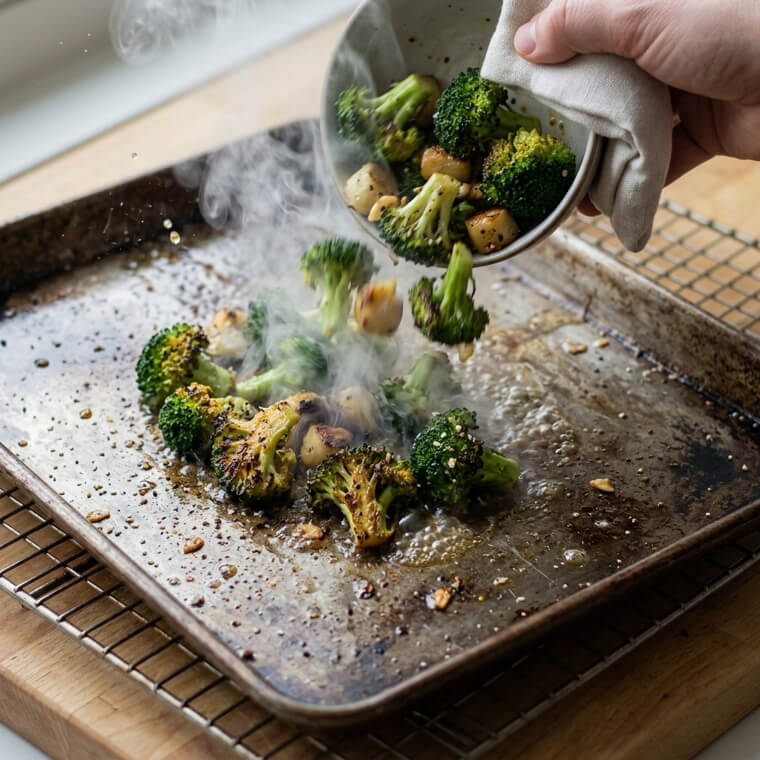
This technique mimics the high heat environment of a commercial kitchen and prevents food from sticking aggressively to the foil. You will never have to endure mushy, unappealing roasted carrots at dinner time again.
Knife Block: Store Blades Upside Down To Protect The Sharp Edge
Sliding an expensive chef knife into a wooden storage slot with the sharp edge resting heavily on the bottom wood dulls the blade over time. The constant friction of the metal sliding against the timber slowly degrades the finely honed edge, requiring you to sharpen it much more frequently. By simply flipping the knife over so the blunt spine rests on the wood, you keep the delicate cutting edge suspended safely in the air.
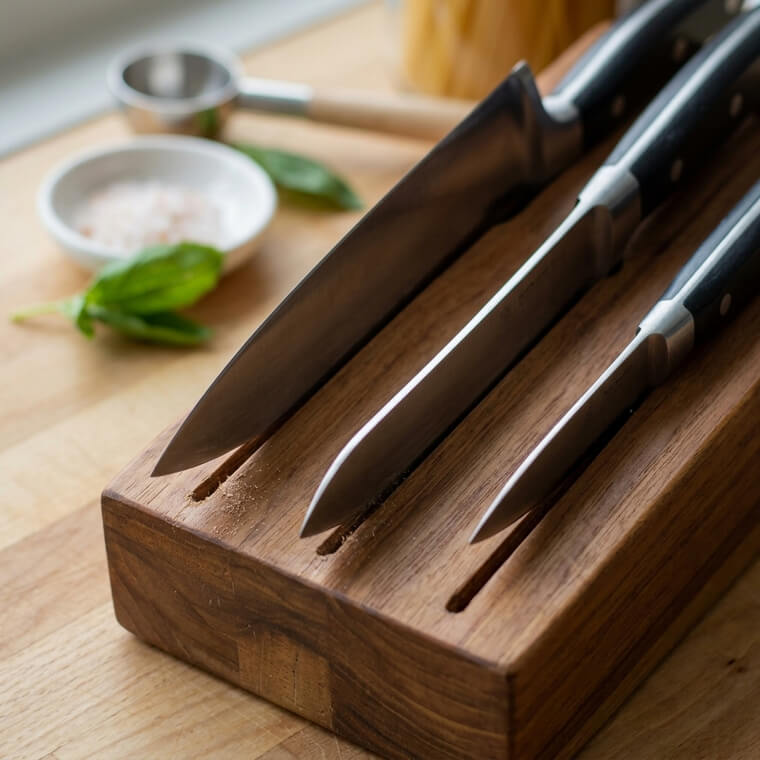
This minor adjustment preserves the razor sharpness of your tools and saves you money on professional sharpening services. It also reportedly makes sliding the heavy blades in and out of the block noticeably smoother.
Muffin Tin: Flip It Upside Down To Bake Custom Taco Shells
Using this indented metal tray exclusively for cupcakes and blueberry muffins ignores its structural potential for creating savory meals. If you flip the entire tin upside down, the protruding domes become the perfect molds for draping soft flour or corn tortillas. Baking them in this draped position transforms the flat wraps into incredibly crispy, perfectly shaped taco bowls that hold a massive amount of filling without collapsing under the weight of the salsa.
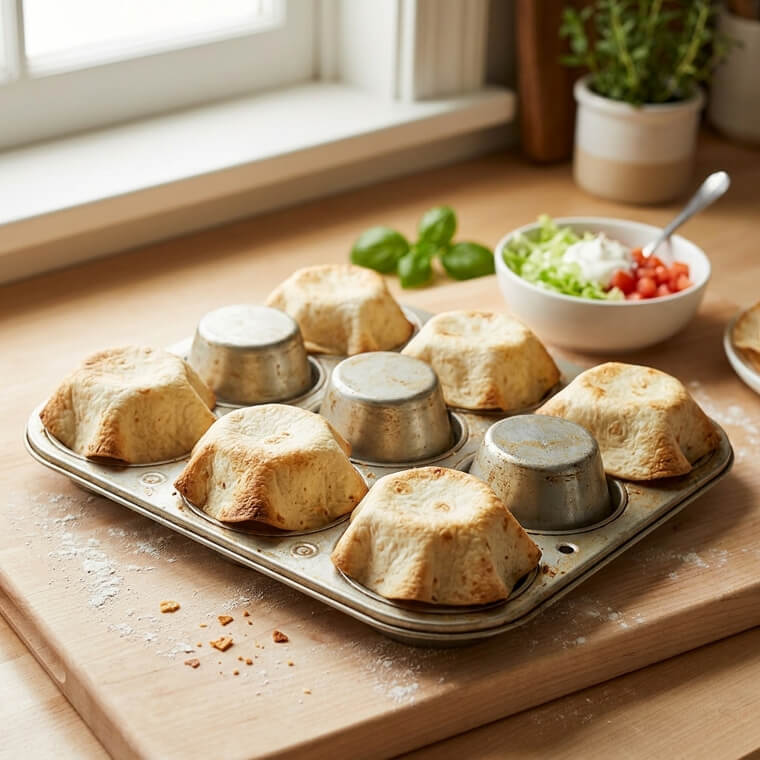
This trick allows you to make a dozen edible bowls simultaneously for a fun family dinner party. It is a fantastic way to recreate expensive restaurant style taco salads without dealing with messy deep frying.
Silicone Spatula: Use It To Scrape Out Every Last Drop Of Sauce
Leaving a thick layer of expensive pesto or homemade mayonnaise inside the food processor bowl is a tragic waste of premium ingredients. A rigid wooden spoon or stiff plastic scraper simply cannot bend enough to conform to the curves and corners of most blending containers. A high quality silicone spatula flexes dynamically, hugging the tightest angles and acting like a squeegee to wipe the plastic or glass walls completely clean in seconds.
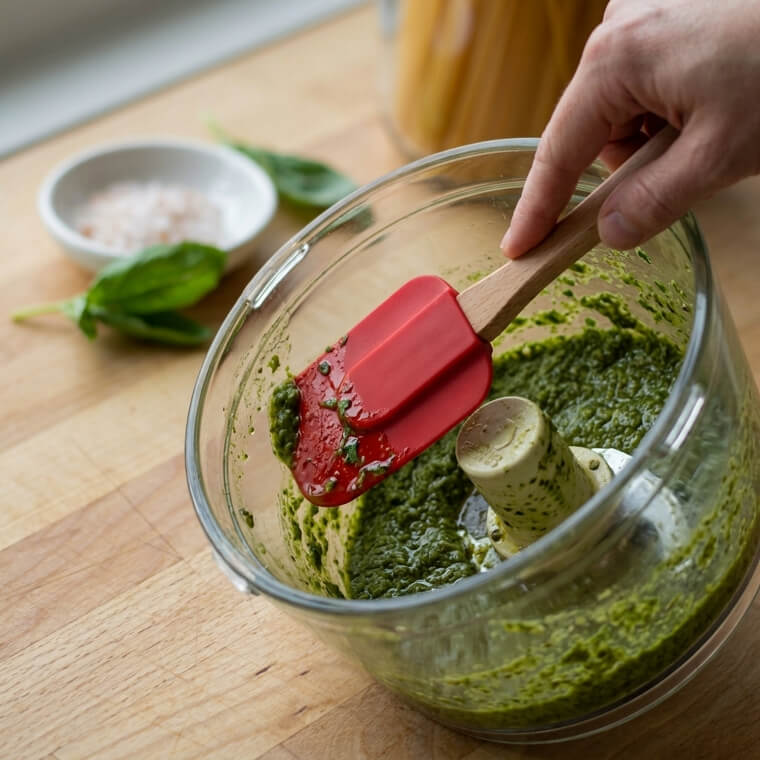
This simple habit ensures you get your money's worth out of every single jar and leaves the bowl much easier to wash. It reportedly saves you a significant amount of cash over a year of cooking.