Have you ever been a bit curious about what people ate hundreds of years ago? Well, if so, you've come to the right spot because we've gathered up some of the weirdest dishes and customs people had during the Middle Ages. From exotic birds to anything that could swim, people were accustomed to eating just about anything they could get their hands on. And while some foods were so popular that we still eat them today, many others are unimaginable on a modern-day dish.
Fruits And Vegetables Were Rarely Eaten Uncooked
People living in the Middle Ages didn't have access to the same type of research that we do today. All they knew was that sometimes when you ate uncooked fruits and vegetables, you became sick. That's why most of the time, they would cook these items instead of eating them raw like we commonly do today. They also didn't have running water, which would've made it a bit easier to actually wash these items.
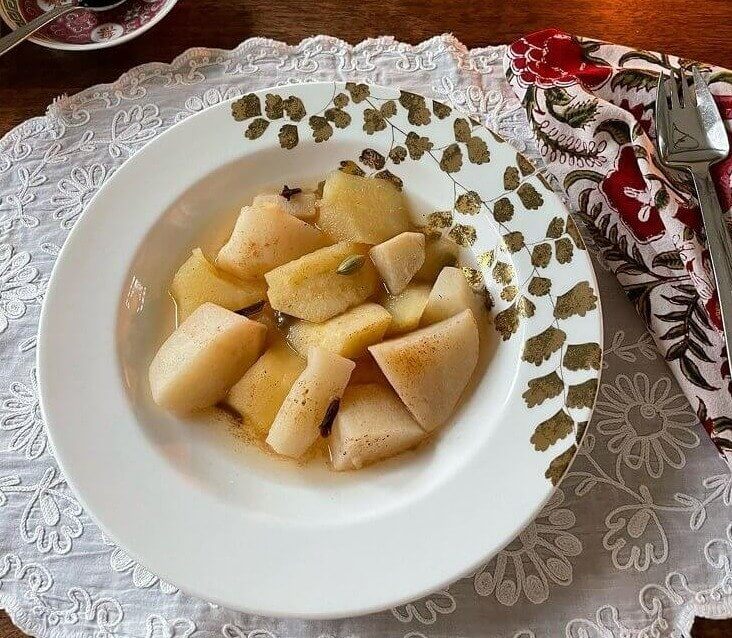
Still, it kind of speaks to how much they were aware of to know that they actually saw that there was a link between eating raw fruits and vegetables and sickness.
Swans Were Common Christmas Dishes
While some people will consume turkey during their holiday dinners today, many will also opt for something different, such as ham. During the Middle Ages, there was a very different bird that was commonly eaten during the holidays. Swans would've been the bird of choice when it came to Christmas. In fact, people were eating swans until around the 18th century, according to The Smithsonian Magazine. Today, swans are protected in most places.
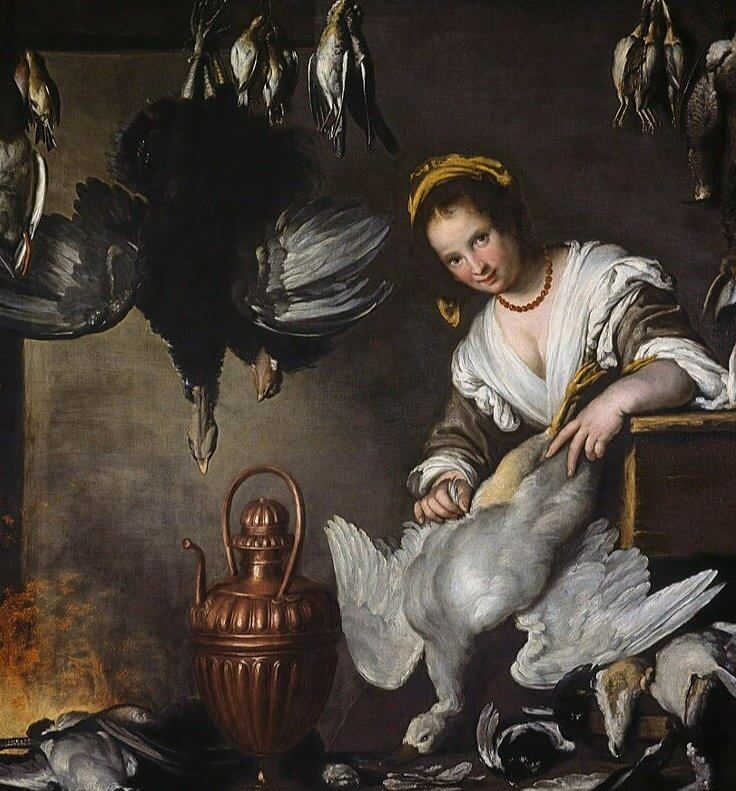
In addition, we don't really look at them the same way we do chicken or turkey. Instead, they're usually held in some esteem, depending on where you find them.
Humble Pie Was Actually A Real Pie
Most of us have heard of the expression "serve someone some humble pie." However, many people don't know that the humble pie used to actually be a type of pie you could eat. Although back then, it was called an "umble pie," and it was usually filled with venison or deer. The dish itself was usually eaten by those who were less well off, which might help explain the expression's origin.
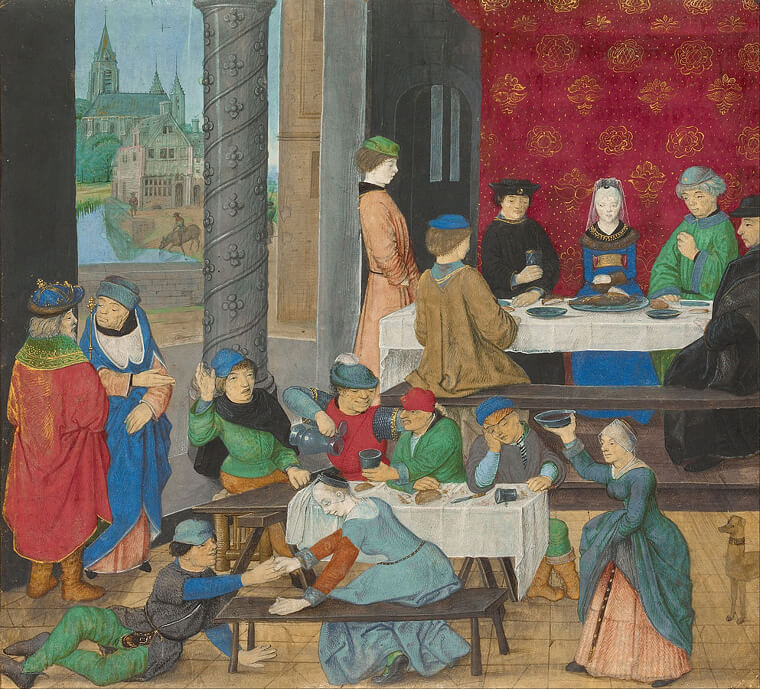
Oh, and the word "umble" is actually another word for deer innards, so there's that little link. You can actually find a few recipes for humble pie online.
Peacocks Were Considered A Delicacy
Yes, before people switched to chickens and turkeys as their birds of choice, they would sometimes eat peacocks. The bird was considered a delicacy, so it wouldn't be consumed all of the time. In addition, it reportedly wasn't even that tasty, and people mainly just ate it as a status symbol. There are some places in the world where peacock meat is still consumed, although still, it's pretty rare to find the bird on a menu.
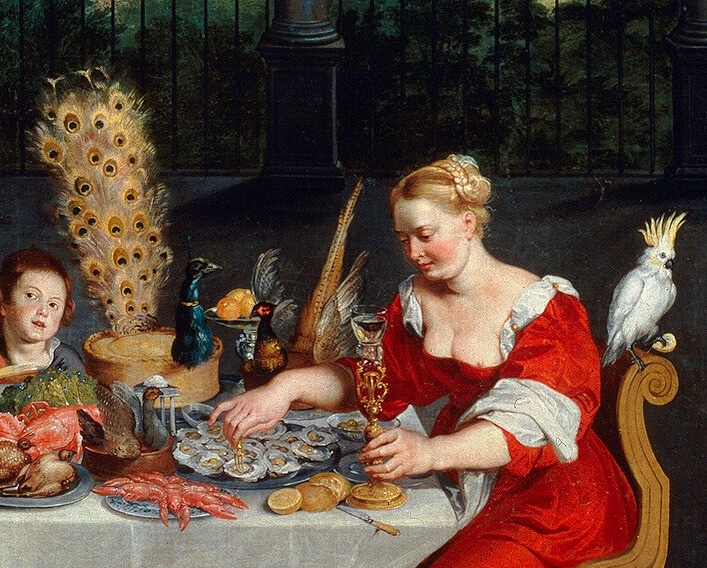
Eating or selling peacock meat is also not technically illegal in the U.S., meaning you can find people selling the meat in some places, although again, this is pretty rare.
Fast Food Has Been Around Longer Than You Might Think
Fast food might seem like a seemingly recent invention, but if you stop and think about it, there's always been a demand for a quick bite to eat. It turns out that they had something very similar to modern fast food during the Middle Ages, only minus the drive-thru. If you were living during the Middle Ages and you wanted to grab something while you were out, you might pick up some pancakes or a meat pie to eat before you got home.
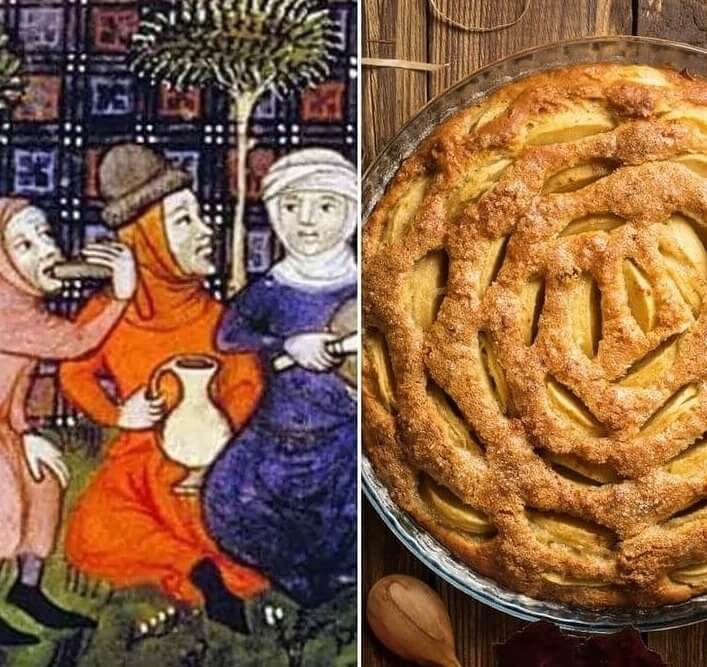
It's no burger, but it's better than nothing at all. However, much like today, people back then looked down on eating fast food, which just goes to prove that some things never change.
People Believed That Finely Textured Food Was Healthier
A food's texture is still a large component of cooking and eating today, but people in the Middle Ages put more emphasis on how finely textured their food was. They knew that there was a link between someone's diet and their health. They also thought that foods that were more textured were easier for the body to absorb, which we suppose kind of makes sense if you don't really have such a thing as research.
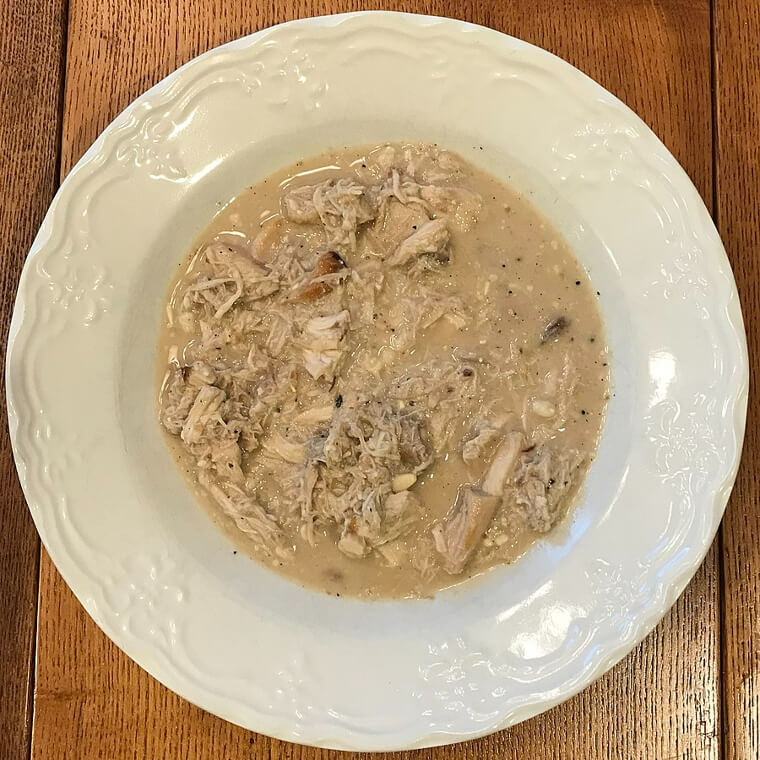
Because of this link, people would eat a lot of food that was ground up, finely chopped, or strained. And we can see this today in the recipes that people left behind.
Almond Milk Is A Lot Less Trendy Than You Think
It turns out that almond milk has actually been around for a lot longer than you might think. The milk was consumed by Europeans as far back as the 13th century, with many others believing it has an even older history in the Middle East. Almond milk was preferred over animal milk simply because it tended to last much longer. It also served as an alternative to regular milk during Lent, according to Discover.
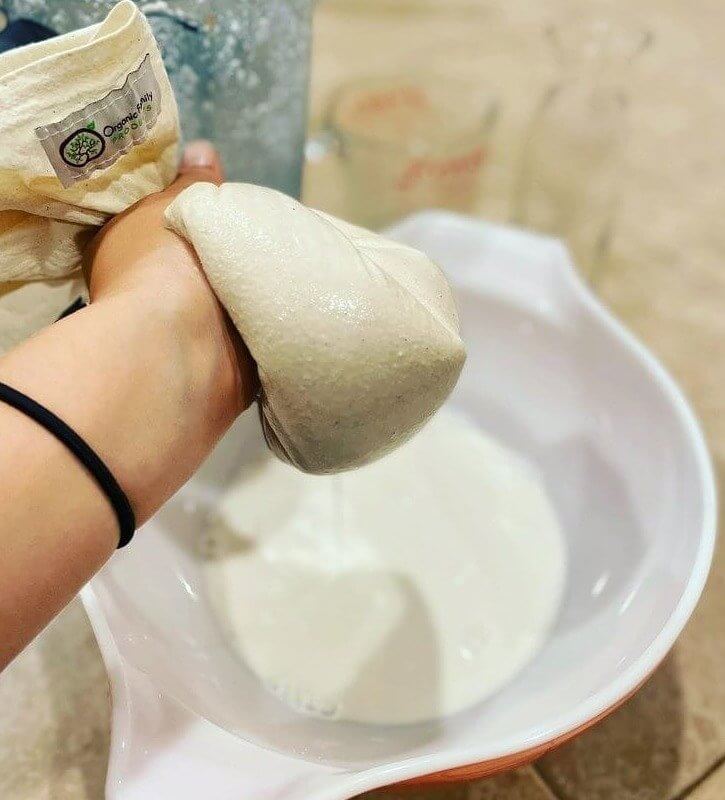
However, it was probably mainly only consumed by those who could afford it (similar to today), and it was perhaps expensive in Europe at the time. So, while it might've recently had a resurgence in popularity, it's actually a pretty old item.
Aperitifs And Digestifs Were Common Pre And Post Meal Foods
The more we read about what people actually ate in the Middle Ages, the more we come to realize that people back then were actually pretty health-conscious about their diets. For example, they consumed what is called an aperitif before a meal, which would stimulate their appetite. And they would eat a digestif after a meal to help them digest their food. This digestif sometimes came in the form of what's called a dragee.
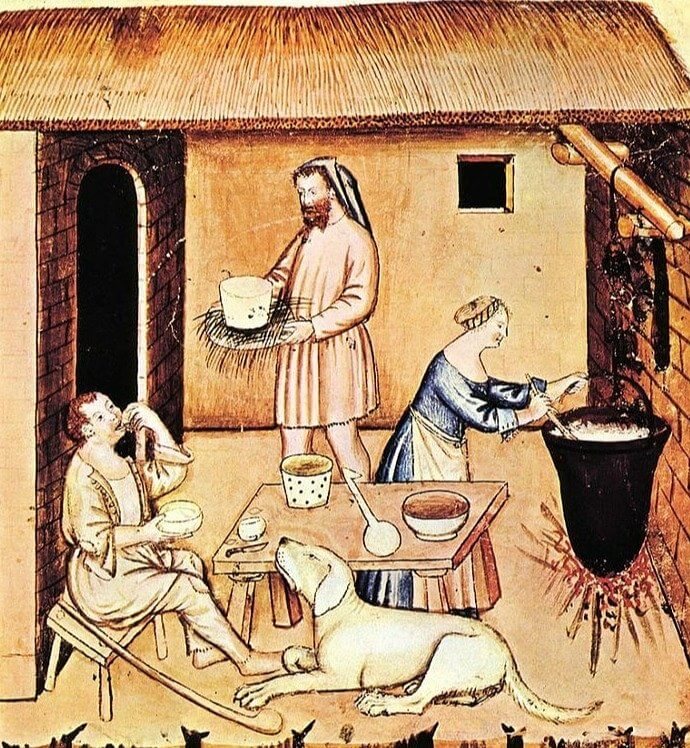
This dragee could be a couple of different things or a combination of different ingredients, such as aged cheese and spices. Today, the two words are sometimes used to refer to types of alcohol that are thought to do similar things.
Lamprey Was A Common Middle Age Meal
If you're not entirely sure what a lamprey is, feel free to refer to the photo below. If you're still not entirely sure what it is, you'd be forgiven because it looks like something out of an Alien movie. Instead, it's a type of fish that looks like an eel and lacks a jaw. The fish was considered a delicacy by some, and it's still eaten in France, according to the Huffington Post.

However, they have to be soaked in their own blood for a couple of days, but by all accounts, the hideous-looking fish is actually quite tasty. Still, we don't see this one making a comeback anytime soon.
Sugar Was Considered A Drug
Sugar first arrived in Europe around the 12th century, although it would become common until around the 16th century. When it did finally become popular, people wasted no time in making all kinds of different delicacies, including things like fritters and darioles, the latter of which is kind of like a muffin or pastry. Interestingly enough, people also considered sugar a drug when it was first introduced, which makes total sense.
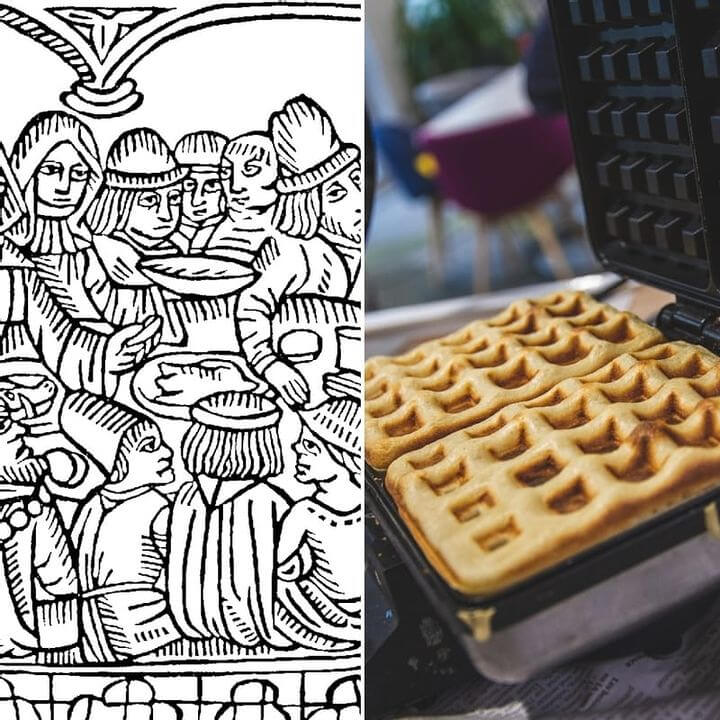
Even today, many studies compare sugar to drugs when it comes to the effects it can have on the body and its addictiveness. Still, it's strange that people back then could make the same connections without proper health research.
No Part Of The Pig Was Wasted
People today can go to the grocery store or butcher and pick out their favorite meats, but not everyone had that luxury in the Middle Ages. More often than not, people simply made sure to consume every part of the animal or pig they had. This meant that things like pig's feet, snout, and entrails weren't uncommon. Even today, pig's feet can be commonly found at many grocery stores in the South.
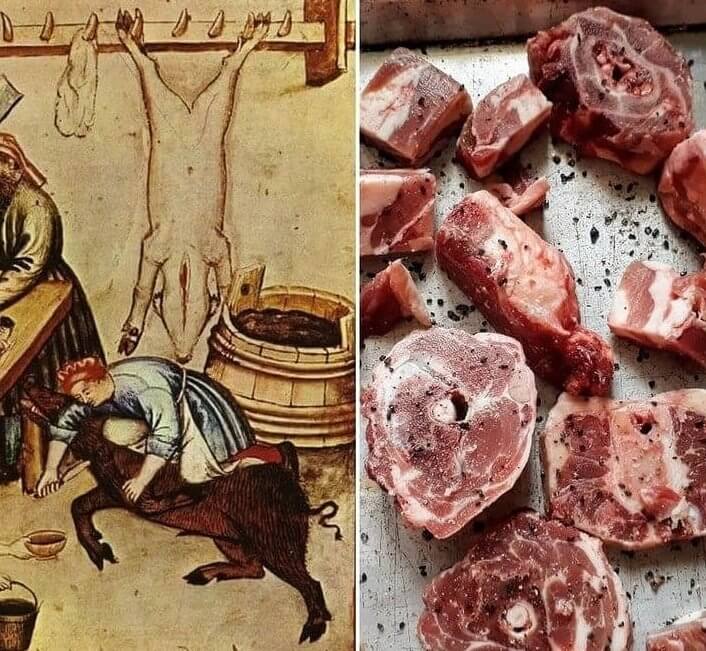
Head cheese was another common item that was made and is still eaten today. Head cheese isn't actually cheese, but instead, it's kind of like a cold cut made out of a bunch of different parts.
Eating Too Early Was Looked Down Upon
For whatever reason, many societies throughout history looked down on eating an early breakfast. The Romans tried to only eat one meal a day, which might've influenced later Europeans to forgo an early breakfast, according to the Smithsonian Magazine. Although some other sources say that people saw it as a form of gluttony and, as such, a sin, which would make sense considering the Romans themselves saw it as a form of gluttony.
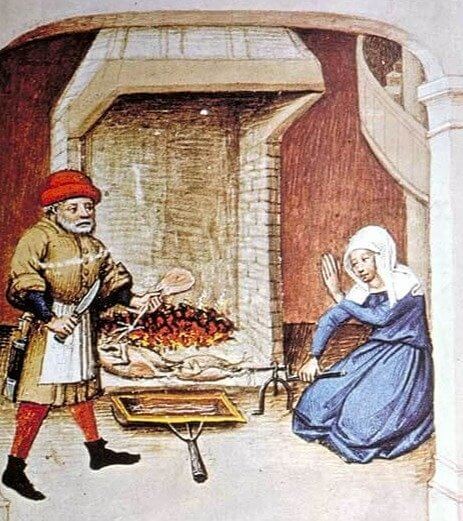
Instead, people tended to just eat a later dinner, along with alcohol, which we imagine would easily be able to stave off hunger a bit longer in the mornings.
Seabirds Were Common Menu Items
We might not ever think of eating a seabird, such as a gull, today, but it turns out that they were common menu items during the Middle Ages. Researchers have found the bones of seabirds around castles in Europe, which also raises the question of why so many bones were found specifically around castles and not elsewhere, such as in the villages. Perhaps the bird was considered a delicacy reserved for nobles?
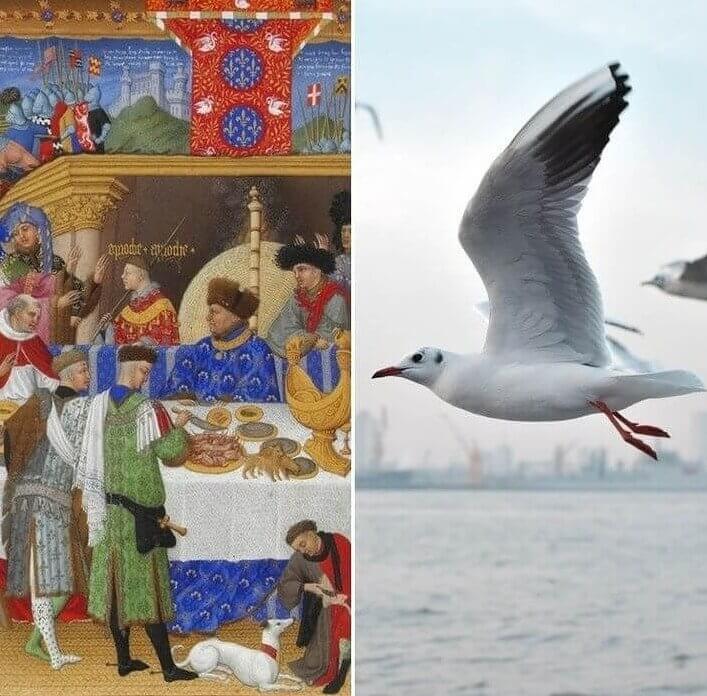
Either way, one thing is for sure, most people wouldn't consider eating seabirds today. All the accounts online that we could find all report that gull doesn't taste very good anyway.
Fish Used To Refer To Anything That Swam
As mentioned in another photo on this list, people living in the Middle Ages had a pretty tough time sticking to fasting. They would do all kinds of things to rid their pallets of that constant fish taste, including expanding the definition of what includes a "fish." This led some to expand the definition of fish to include things like seals, dolphins, and even puffins, according to Atlas Obscura.
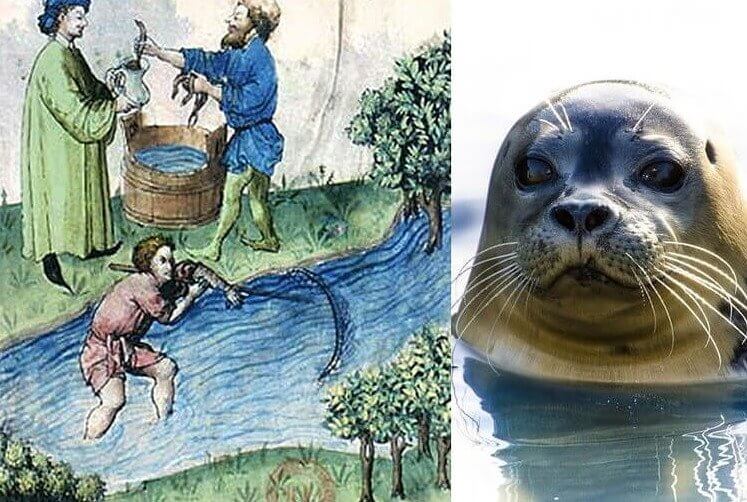
We can even see some of the remnants of this today. For example, the word "porpoise" is just Latin for "pig fish." There are also numerous recipes from the Middle Ages involving dolphins.
Cooking Oils Were Much More Common Than Butter
If you've ever seen an olive orchard in person or in a photo, then you probably know that some can be hundreds of years old. In fact, people have been extracting oils to cook with for thousands of years. However, the type of oil you used would've depended on where you lived. Olive oil would've been more common the closer you got to the Mediterranean, while things like fish oil would've been common in London.
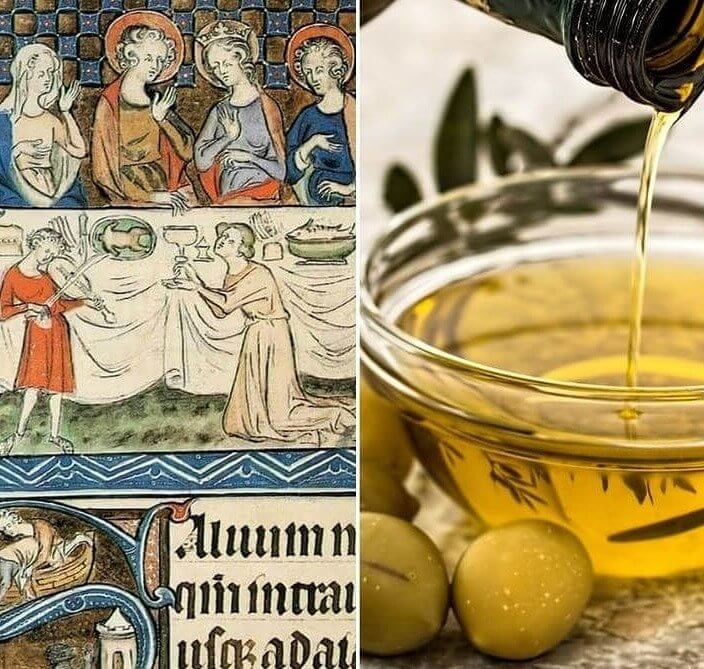
Butter and other animal fat were also pretty common and eaten by everyone. Despite the nobles regarding it as food for the lower classes, they also regularly ate it.
Imitation Foods Were Common, Especially During Lent
While it's still common to find foods shaped like other foods today (think chocolate eggs and such), the practice was done for entirely different reasons during the Middle Ages. Apparently, chefs would make common foods out of ingredients like fish for lent. The reason? People fasted for lent much more during the Middle Ages, and as such, they got much more tired of fish (they abstained from other meats and ate only fish during these times). So chefs would make things like fake eggs out of almond milk and jelly.
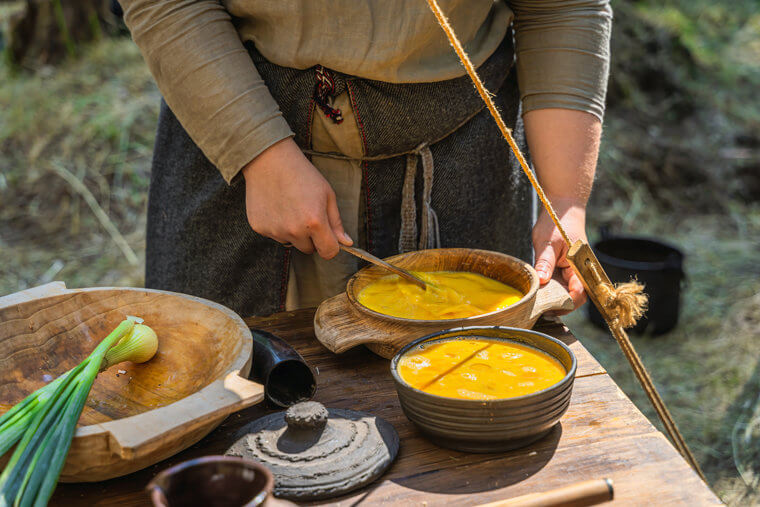
Some chefs would also make fake bacon using roe. It was so bad that, apparently, drinking was used to take people's minds off fasting. As per Atlas Obscura: Benedictine monk Robert Ripon wrote that people went to taverns during Lent "thinking and saying: 'Fishes must swim.'"
They Loved Eating Baby Pigs
It shouldn't come as much of a surprise that pigs were a staple of people back in the Middle Ages. And while they used every bit of the pig in their foods, there were also some more prized dishes involving pigs. Suckling pigs or pigs that are very young were especially favored because of the taste of their meat. There was also one dish that combined their two favorite dishes — suckling pig and chicken.
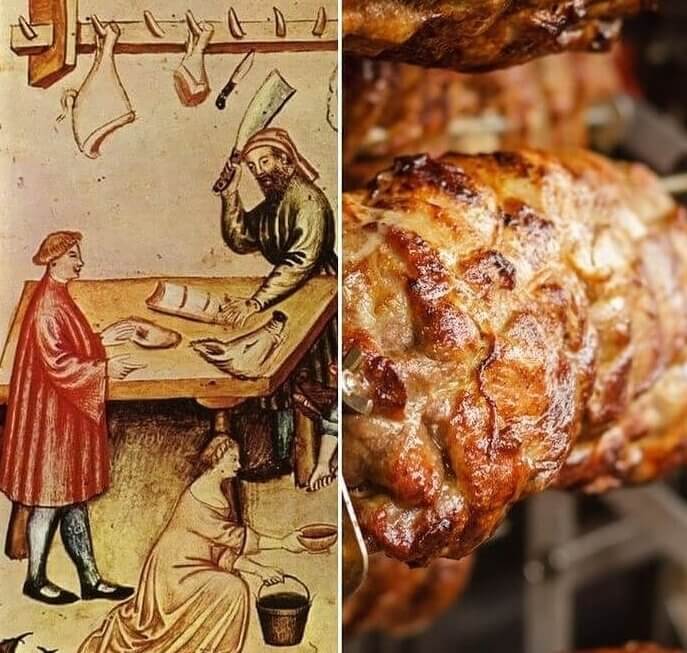
The dish, called cockentrice, involved sewing a pig and a young rooster together and just cooking it like that. It sort of sounds like a medieval turducken.
Honey Was An Important Middle Age Ingredient
This might come as a surprise to some, but people have been keeping bees for literally thousands of years. In fact, archeologists trace our friendship with bees back 9,000 years. So, it's not that surprising that people kept them during the Middle Ages when they provided us with the honey we needed to make mead. Honey can also be found in quite a lot of recipes dating from the Middle Ages.
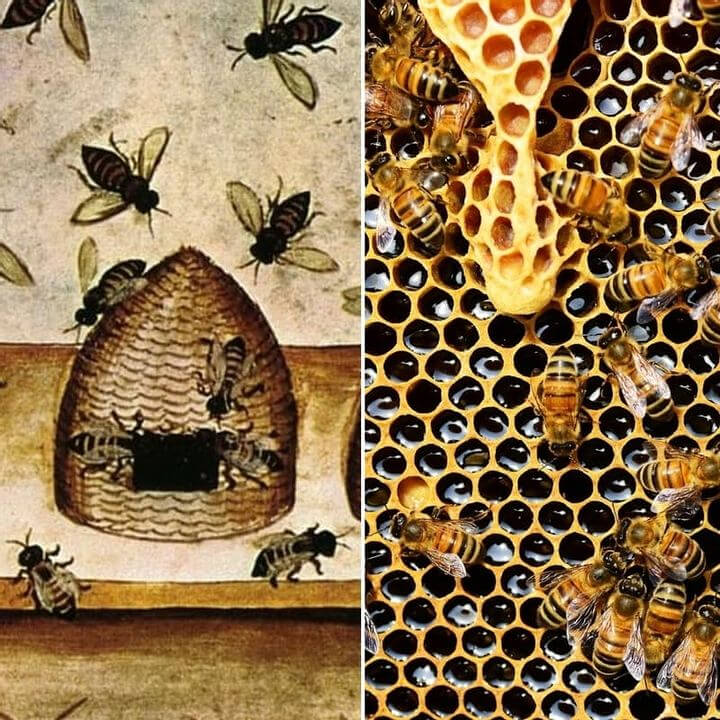
People would also use it as a sweetener in just about anything they could, including porridge and other common foods, since sugar was pretty rare in Europe during the Middle Ages.
Dessert Was Served With Dinner
Ideas about how you should eat and in what order have drastically changed since the Middle Ages. Want proof? People once had their dessert with their main courses. That's if, of course, you were wealthy enough to afford a main course and dessert. We're also sure that Medival-era desserts were a bit less sugary than the desserts we have today. But we still can't imagine having a cockentrice alongside a cupcake.
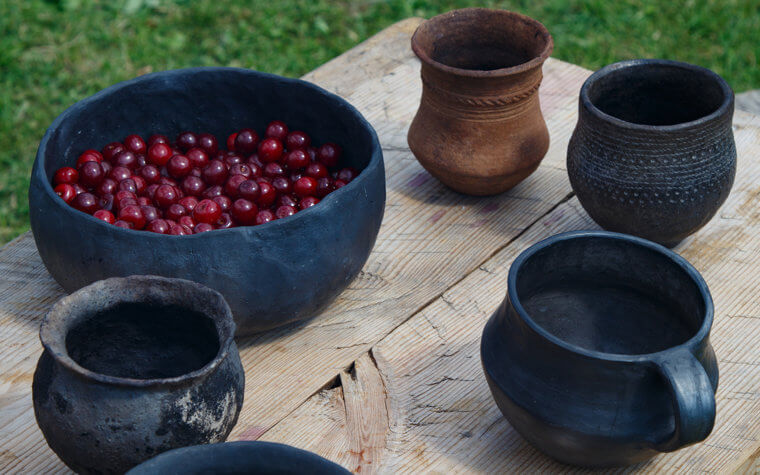
People who lived during the Middle Ages actually thought that having dessert with your dinner was beneficial. If they were referring to a dessert that used honey as a sweetener, then we can see where they were coming from.
Pastries Looked Very Different In The Middle Ages
Today, when we think of pastries, we usually think of something sweet. However, that wasn't the case in the Middle Ages. In fact, pastries were more often thought of as something you fill with other foods, such as meat. In fact, pastries weren't even eaten sometimes, and they were only served to steam the food inside. This technique was known as huff paste, and it involved flour, suet, and boiling water.
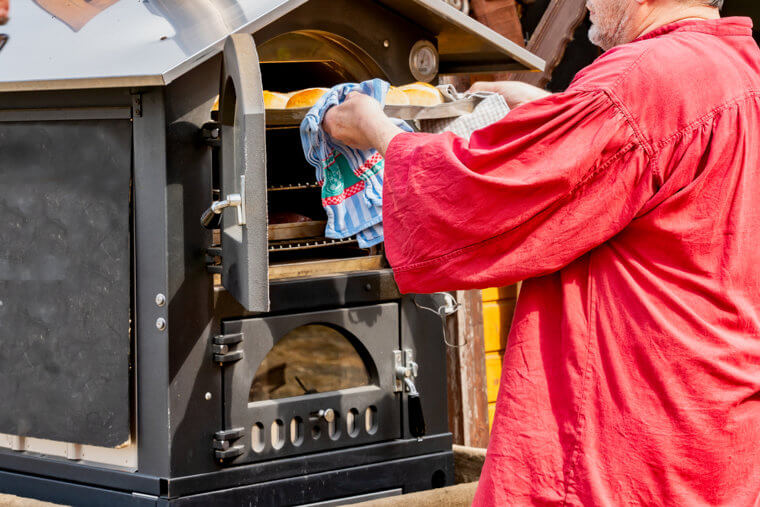
Huff paste was actually very thick and hard, and it wasn't until much later that people started using a softer crust, which eventually developed into the pastries we know today.
People Relied Heavily On Grains And Porridge
While everyone on the planet pretty much has their pick of carbs today, if you needed to get some carbs during the Middle Ages, your options were much more limited. They usually came in the form of things like cereals and grains. There was also a porridge-like dish called frumenty that was quite popular during the Middle Ages. It's basically a warm cereal that's boiled in milk or broth.
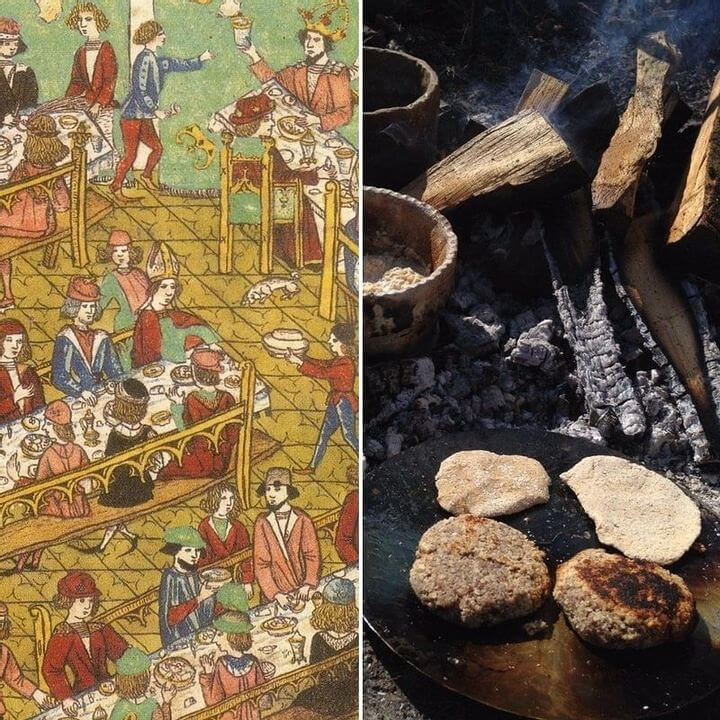
If that doesn't sound very tasty, then you're probably not going to be very impressed with photos of the dish either, which can be found using a simple Google search.
People Weren't Hesitant About Eating Beavers
There are a couple of different items on the list that talk about how people in the Middle Ages were desperate to cheat on their fasting diet of fish. However, most of the things they cheated with included animals that weren't land mammals. That's not so when it comes to the humble beaver. Chefs would make dishes out of beaver tails, which are scaly and apparently the only part of the beaver that was considered a fish.
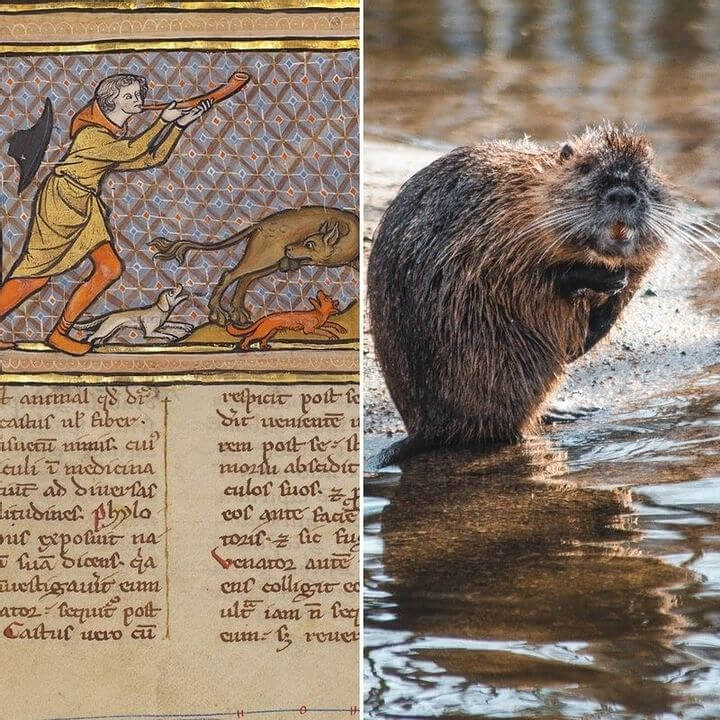
Beavers were also hunted regularly for their castor sacs and castoreum, according to Getty. These oily glands are also still used today in things that require vanilla flavoring.
Spices Were Much Harder To Come By
Today, you can walk into just about any grocery store in the world and pick out an assortment of spices. However, in the Middle Ages, this would've been unthinkable. Spices used to be something reserved only for the wealthy, and even then, there were times when they would be unavailable. People also sometimes used sugar as a spice, although this would've been more common after the Middle Ages since sugar was rare in Europe during this time.
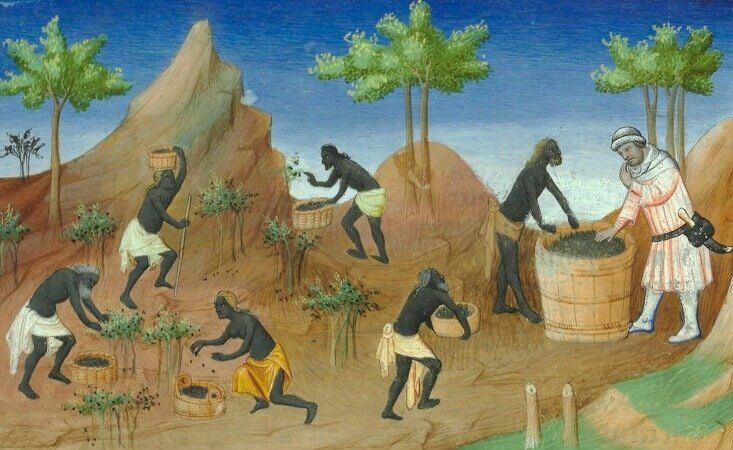
However, there were some more common spices used during the Middle Ages, such as black pepper and cumin, as well as other spices that are rare today, such as grains of paradise.
Vinegar And Verjuice Were Very Popular
Vinegar has been around for a long time. There are stories of people drinking it during the time of the ancient Greeks and Egyptians. However, it was supposedly perfected in the Middle Ages. However, something called verjuice was also very popular during the Medieval era. It was used as a condiment for just about anything you wanted, but it was extremely sour. This is because it was made out of sour fruits, such as unripe grapes.
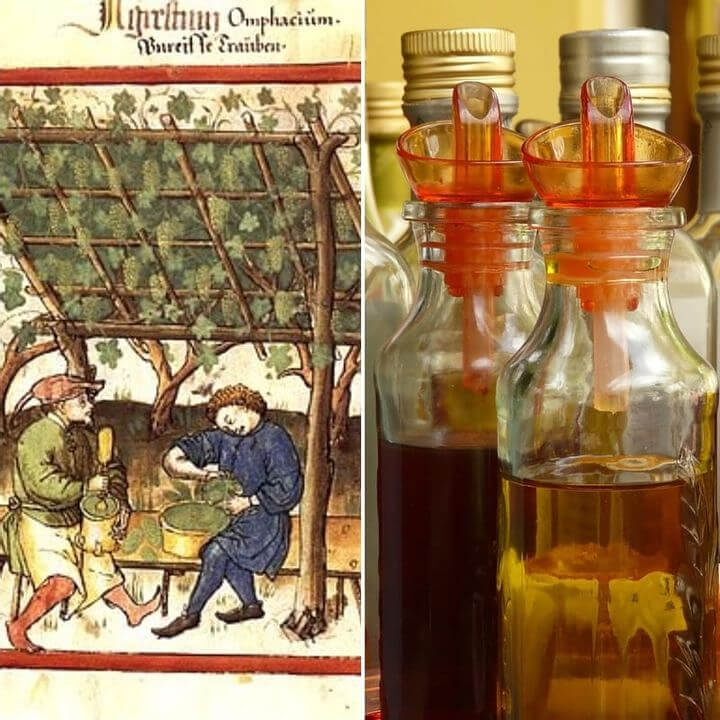
In fact, many people still use it today, although it's much less popular. People often use it as a vinegar or lemon juice substitute, and there are plenty of modern recipes online that incorporate verjuice.
Domestic Birds Were More Popular Than Game
This one shouldn't come as too much of a surprise, but unless you were wealthy, odds are you would mostly be confined to eating domestically raised birds during the Middle Ages. That included chickens and geese, the latter of which is much less common today in most places. And it probably would've been for the best, too, since exotic birds, such as peacocks and seabirds, don't taste very good by most accounts.
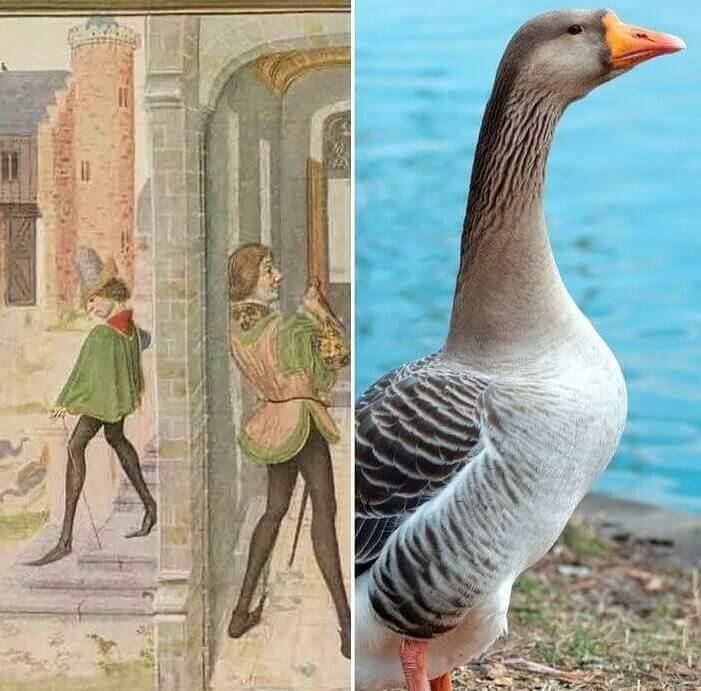
Geese were apparently so common that people would use their feathers on the ends of arrows and as quills to write with, making them just as important as pigs or goats.
Sops Accompanied Many Dishes
If you've ever used bread to scoop up something like olive oil, soup, or egg yolk, then you're following a long tradition. It's probably impossible to know where the idea to soak up a liquid with bread came from, but it was also very popular during the Middle Ages. Sops, or bread, would be served with most dishes and then torn about to be used in a similar way to how many people use bread today.
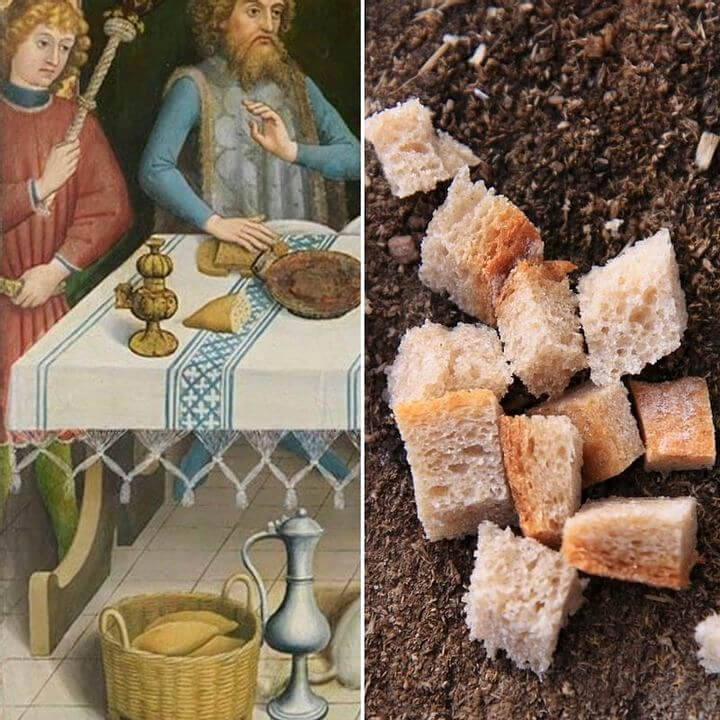
People also sometimes dipped their sops into wine and used spoons to retrieve them, which is much less common today and unlikely to make as big of a comeback anytime soon.
Meat Was (Almost) Always On The Menu
A common misconception about people who lived during the Middle Ages is that they all ate a lot of meat. This isn't exactly true, though. For one, half of the week was reserved for fasting whether or not it was Lent, and people would eat "fish" instead of meat. Secondly, you weren't likely to eat a lot of meat unless you were wealthy, and even nobles are thought to have gone easy on the meat, depending on the period.
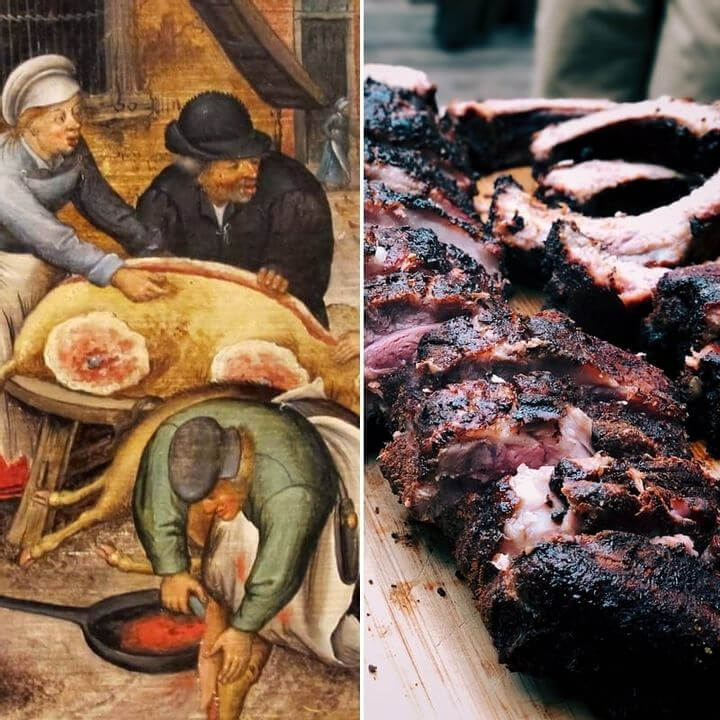
That said, things like bacon, eggs, and maybe a couple of other cheaper cuts were pretty common everyday items, regardless of class or wealth. So, they also weren't eating an entirely vegetarian diet.
Breakfast Wasn't As Good As It Is Today
While there is another photo on this list that references how breakfast was looked down upon during the Middle Ages, that doesn't mean it was nonexistent. Commonly, people who worked out in the field needed something to sustain them, so they would usually have breakfast early in the morning. Still, these breakfasts looked much different than our own today. They would usually consist of whatever random leftovers or food items were lying around.

So, it's probably safe to say that they weren't necessarily eating bacon in the mornings and were probably instead just having something a bit less extravagant, such as porridge.
The Medieval Diet Was Actually Pretty Healthy
It might be surprising to some to learn that people living during the Middle Ages actually saw that there was a link between one's health and their diet. It might also surprise people to learn that a couple of different studies have found that diets during the Middle Ages were actually pretty healthy. People's diets incorporated a lot of different foods, including colorful salads and leafy greens, which isn't usually what most people think of when they think of a Medieval diet.
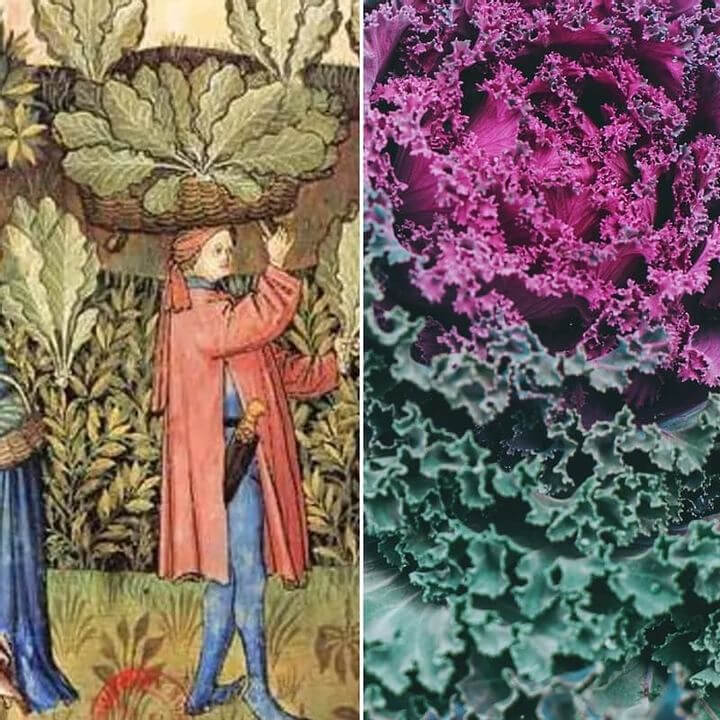
Even peasants ate relatively well and had things like beef stew and other fresh foods. That said, you could probably eat the best diet in the world and die from sickness if you lack sanitary food prep practices.
The Four Humors Were "Medical" And Related To Food
It goes without saying, but medicinal practices were pretty rudimentary during the Middle Ages. For example, one prevailing strain of thought involved what's called the "four humors." These related to the elements, as well as food, and it was thought that they needed to be in balance to be healthy. If it sounds a bit superstitious, that's because it is. Each of the humors was thought to relate to something like dry and hot or warm and moist when it came to food.
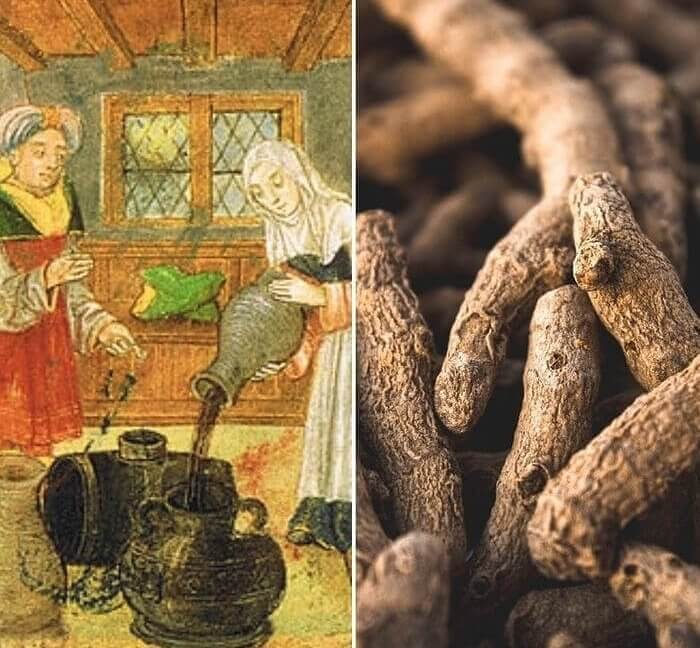
It's a little confusing, but people tried to balance the food they ate based on a humor's corresponding food type. In short, they thought that a nutritional balance could be attained through variation, which isn't necessarily entirely wrong.
People Drank Animal Milk From Different Sources During Middle Ages
While today most animal milk in the West comes from cows, other types of milk are still popular throughout different areas of the world. The same used to be true of Medieval-era Europe, where people who drank animal milk would drink milk that came from cows, goats, or sheep. Still, because animal milk tends to spoil fairly quickly, it wasn't as common to drink animal milk as it s today.
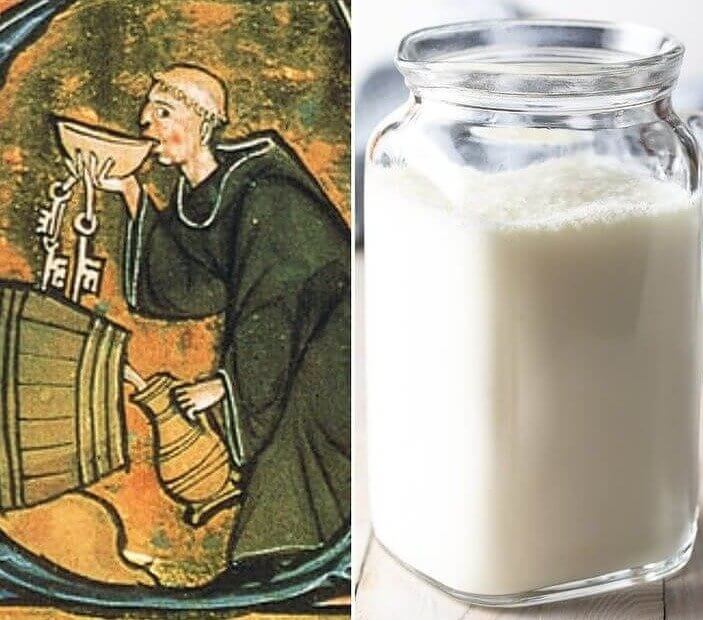
People who drank animal milk usually only included those who couldn't afford the almond variety or something else entirely. In fact, the Romans considered butter and animal milk to be "barbarian food," according to Atlas Obscura.
(Actual) Fish Was A Big Part Of Diets
Try as they may, people living during the Middle Ages weren't entirely able to rid themselves of fish. Seafood was basically a required part of the diet since half of every week was devoted to fasting and cutting out meat. This meant that they had to find inventive ways to store fish, which they did in the form of salting, smoking, and drying, which honestly doesn't sound that bad.
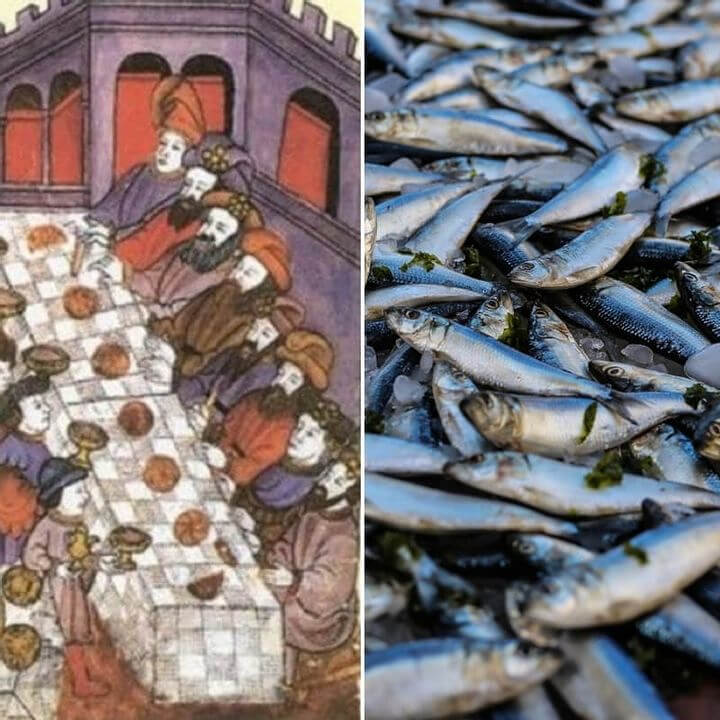
Still, there are many accounts from the Middle Ages of people talking about how they were fed up with eating fish constantly, especially during Lent, when they wouldn't have a day off of fasting.
Hunting Provided A Variety Of Meat
Sometimes, we think of hunting as a sport reserved for nobles during the Middle Ages. And while this is true to some degree, since they could afford large swaths of land and they could also stock that land, hunting was actually a universal pastime. Still, farmers and peasants probably ate venison much less than the nobles. There were often restrictions placed on who could hunt what, but these were also broken fairly often.

Poaching seems to have been a fairly common crime during the Middle Ages, although it has commonly been illegal throughout history, and only during the Middle Ages did it become common to be punished for it.
Beans Provided Much Needed Protein For Medieval Populations
If you were a laborer or among the lower classes living during the Middle Ages, then beans would've been your best friend. They were cheap and provided a great source of protein that was much needed since meat was eaten less if you couldn't afford it. They're also nutritious, which is good if you're a health-conscious person living in ht Middle Ages. It's even thought that the introduction of legumes to Europe helped people live longer lives.
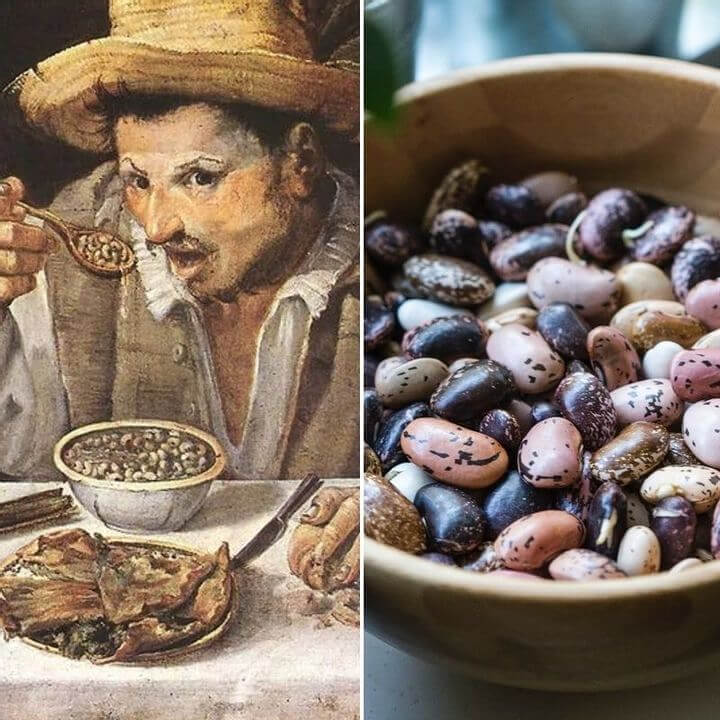
More than that, Umberto Eco, a Nobel Prize-winning historian, and author, once wrote a New York Times article about how the bean was one of the most important inventions in history and how it had a profound impact on the Middle Ages.
People Enjoyed Their Desserts
This one was usually confined to those who could afford it, but regardless, most people living in the Middle Ages enjoyed their desserts. This isn't something that's usually portrayed on television, but people were eating all kinds of delicious-looking concoctions that utilized things like honey and, later, sugar. For example, one dish, referred to as sotelty, used what we know today as marzipan to create all kinds of different-looking treats.
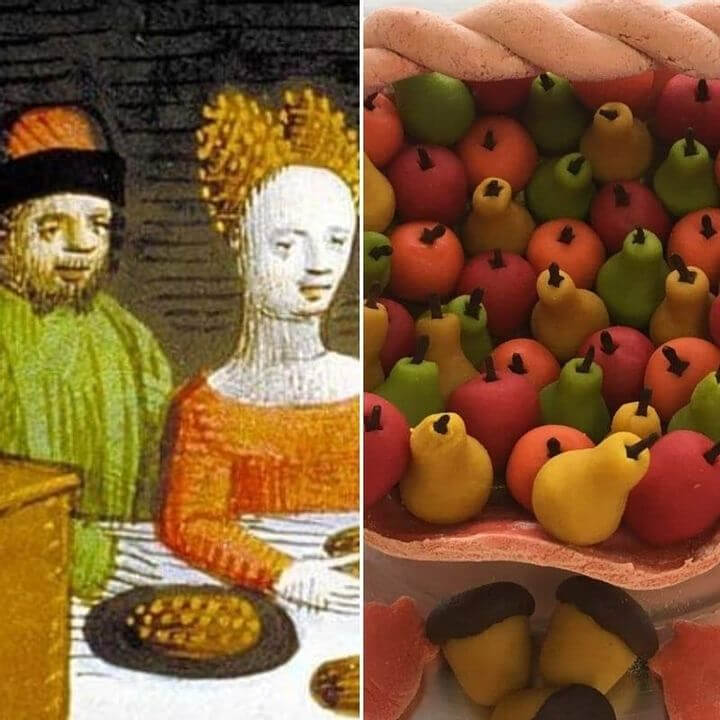
Many of the recipes we have from the Middle Ages also utilize a lot of fruits, meaning many of the dishes were probably a bit healthier than what we have today.
King Richard III Ate Like, Well, A King
When researchers found the body of King Richard III was found under a parking lot in 2012, people were pretty excited. The former king died during the Battle of Bosworth Field in 1485. Among the things researchers were able to reveal after the body was found was exactly what the king ate later in his life. It turned out that he had eaten a lot of game, seafood, and meat, which would've been typical for a high-ranking noble.

It was also found that he was infected with roundworm, which was pretty common for someone living during the Middle Ages, although less so for nobles since it's thought they generally washed their hands, according to the University of Leicester.
Most Calories Came From Grains
Grains were extremely popular during the Middle Ages. If you've ever watched anything set in the Medieval era, then you're probably used to seeing people get their fill on things like bread. However, grains were also commonly consumed as cereal or as porridge. Grains were also used to make ale, so many laborers would get a lot of their daily energy needs from drinking alcoholic beverages, according to Slate.

Ale was actually kind of similar to how we think of things like Gatorade today. Neither is it actually as healthy as water, but we still drink them to replenish fluids and calories.